Adrienne A. Wallace Grand Valley State University Editor-in-Chief Journal of Public Relations Education Email: wallacad@gvsu.edu
It is our privilege to introduce this issue, which brings together timely scholarship on the evolving landscape of public relations and communication education. As the demands of the modern workplace continue to shift, driven by rapid technological innovation, changing employer expectations, and a renewed focus on equity and access, educators and students are challenged to adapt, innovate, and reflect critically on their practices and priorities. The three manuscripts featured in this issue each offer a distinct, research-driven perspective on how communication programs can best prepare students for professional success while addressing the complexities of today’s media and public relations industries.
The first teaching brief, “AI Hackathon: Igniting and Connecting Students’ Generative AI Knowledge,” explores the integration of artificial intelligence into public relations pedagogy through the use of classroom hackathons. This innovative approach not only demystifies generative AI for students but also provides a hands-on, collaborative environment where technical skills, creativity, and ethical considerations intersect. The findings demonstrate that such experiential learning models can foster both technical competence and critical thinking, equipping students to navigate a workplace increasingly shaped by AI tools and practices.
Our second contribution, “Facilitating Students’ Career Readiness Through Social Media Micro-internships with On-Campus Clients,” addresses another pressing need: equitable access to meaningful professional experiences. By embedding micro-internships within the curriculum and partnering with real, on-campus clients, this model provides students—especially first-generation college students—with opportunities to develop both technical and soft skills in authentic work settings. The evidence presented here underscores the value of experiential learning, mentorship, and inclusive practices in bridging the gap between academic preparation and career readiness, while also highlighting the importance of diversity, equity, and inclusion in communication strategy.
The third paper, “Mandate of Professionalization: Serial Interns, Self-Branding and Invisible Laborers in the PR and Media Industries,” offers a critical examination of the internship economy and the pressures facing early career professionals. Through in-depth interviews, the study reveals how students often prioritize organizational prestige and self-branding over substantive skill development, sometimes at the expense of their own well-being and professional growth. The research recommends more structured mentoring, clear ethical guidelines, and a rebalancing of educational objectives to ensure that internships serve as genuine sites of learning and professional development, rather than merely providing credentials for employability. Taken together, these papers illuminate the multifaceted challenges and opportunities facing public relations and communication education today. They remind us that preparing students for the future requires more than technical proficiency or a polished resume; it demands critical engagement with new technologies, a commitment to inclusivity, and an honest reckoning with the structures that shape professional development.
Additionally, in this issue, we honor our immediate past Editor-in-Chief, Pamela Bourland-Davis, who passed away suddenly in May, leaving a huge hole in our hearts in the PR pedagogy community. The loss of her mentorship is deeply felt by our editorial staff at JPRE. Her impact was immense. I’ve already cried twice today writing this editorial note. Please read additional moving tributes to Pam on the JPRE website, the PRD community pages, and in the summer newsletter, and find a way to honor her in your life and teaching practice.
Now, Pam would not have wanted me to end on a sad note; she would have wanted us to continue celebrating our incredible scholars with joyful enthusiasm. And so, our final addition to this issue is the announcement of the 2024-2025 JPRE awards. In 2024, thanks to our incredible sponsors, we were able to add two named awards to celebrate our contributors. In May, JPRE also established an editorial leadership award, which we are presenting for the first time to honor Dr. Bourland-Davis and her mentorship of our editorial staff.
Without further ado:
Our longest-standing award was created by our first editor-in-chief, Chuck Lubbers. The Chuck Lubbers Award for Pedagogical Research honors our top JPRE article of the year. This year, the award goes to: Stephanie Madden & Kate Guastaferro for “Public relations isn’t all rainbows and butterflies”: Student experiences in developing a child sexual abuse prevention campaign. (10-2)
The Stan Richards School of Advertising & Public Relations – Moody College, University of Texas Top Quality Reviewer Award goes to: Katie Place, Quinnipiac University, for her excellence in timely reviews and rich feedback to authors submitting to JPRE.
The Top Ethics in PR Pedagogy Paper Award for the Journal of Public Relations Education (JPRE) is sponsored by the Arthur W. Page Center for Integrity in Public Communication and goes to: Alec Tefertiller, Rosalynn Vasquez, and Matthew Brammer for The Kids are alright: Examining how US public relations students ethically navigate artificial intelligence. (11-1)
The newly established Pamela Bourland-Davis Editorial Excellence Award honors an individual on staff with JPRE who has demonstrated exceptional commitment, skill, and integrity in editorial leadership. This award goes to: Christopher McCollough, Kennesaw State University, for his diplomacy, leadership, and commitment to PR pedagogical advancement through mentorship.
Special thanks to our sponsors for providing funding for our cash awards to the winners. It is deeply appreciated.
As you read this issue, consider how these insights might inform your teaching, research, or practice. Let us continue to foster environments where students not only acquire the skills they need but also develop the critical awareness and ethical grounding to lead in a rapidly changing world, as Pam would have wanted.
Editorial Record: Submitted September 28, 2024. Revised January 28, 2025. Accepted May 5, 2025.
Authors
Joseph Giomboni Assistant Professor Susquehanna University Pennsylvania, USA Email: giombonij@susqu.edu
ABSTRACT
This study examines how public relations education programs can better prepare students to navigate the evolving dynamics of internship experiences and professional development. Through interviews with 28 PR students and recent graduates, the research reveals a critical gap between academic preparation and industry expectations regarding internship outcomes. The findings suggest PR students prioritize organizational prestige over skill development, potentially undermining educational objectives. Students reported feeling pressure to complete multiple internships to meet perceived industry requirements, even when lacking substantive work experience. The study provides recommendations for PR educators to help students balance brand-driven motivations with meaningful skill development, including implementing structured mentoring programs and incorporating personal branding instruction into PR curricula. These insights can help educators better align internship programs with both student career aspirations and pedagogical goals.
Editorial Record: Submitted July 19, 2024. Revised October 14, 2024. Accepted February 10, 2025.
Authors
Breann Murphy Associate Professor Jacksonville State University Alabama, USA Email: bmurphy5@jsu.edu
Teddi Joyce Associate Professor Jacksonville State University Alabama, USA Email: tjoyce@jsu.edu
ABSTRACT
Public relations industry professionals express a growing need for undergraduate students to be profession-ready upon graduation. As a result, educators must continue to creatively integrate assignments and experiential learning experiences into the classroom that simulate real-world practices and emphasize job readiness. This teaching brief provides an assignment sample to help educators provide students with practice and experience on applying for a job in public relations and how this assignment can be implemented into a public relations campaigns or capstone course.
Editorial Record: Submitted October 5, 2023. Revised February 19, 2024 and May 1, 2024. Accepted June 16, 2024.
Authors
Courtney D. Boman Assistant Professor University of Alabama Alabama, USA Email: boman@apr.ua.edu
Laura L. Lemon Associate Professor University of Alabama Alabama, USA Email: lemon@apr.ua.edu
LaTonya J. Taylor Doctoral Student University of Alabama Alabama, USA Email: ltaylor12@crimson.ua.edu
Matthew S. VanDyke Associate Professor University of Alabama Alabama, USA Email: vandyke@apr.ua.edu
ABSTRACT
In the digital age, public relations professionals play a vital role in managing information, particularly (mis/dis)information. Understanding the ethical implications and resources needed to navigate (mis/dis)information is crucial. This study explores PR professionals’ perceptions of ethical education and the skills and resources required to address (mis/dis)information. In-depth interviews with professionals reveal insights for better preparing the next generation of PR professionals to navigate the post-truth era effectively. These findings shed light on the multifaceted skill set needed by PR professionals and the essential role of both informal and formal resources in preparing them to navigate (mis/dis)information effectively. Recommendations for education emphasize experiential learning, ethics-focused content, and readily available online resources.
Elizabeth L. Toth Professor Emerita University of Maryland Maryland, USA Email: eltoth@umd.edu
ABSTRACT
This article further examines the 2023 quantitative research by the Commission on Public Relations Education (CPRE) on KSAs and hiring characteristics desired and delivered/found as reported by public relations educators and practitioners. Specifically, the examination considers where significant differences between the groups exist. Another focus was investigating groupings of hiring characteristics between public relations educators and practitioners. Finally, a comparison of the CPRE recommended six-course standard was conducted between educators in the U.S. and those located outside the U.S. The study aims to guide curricular decisions for educators across the globe as well as foster conversations between educators and practitioners in public relations.
Keywords: Public relations education, KSAs, hiring characteristics, PR coursework
To cite this article: Shen, H., Bourland-Davis, P., & Toth, E.L. . (2024). CPRE Study: Educator/practitioner perceptions of student preparation and international comparisons of the six-course standard. Journal of Public Relations Education, 10(1), 6-46. https://journalofpreducation.com/?p=4571
Building upon one of the five key recommendations of the Commission on Public Relations Education 2023 standards report, this teaching brief examines how educators can actualize their diversity, equity, and inclusion missions in public relations classrooms. Public relations educators can use this teaching brief to help undergraduate students understand the meaning, significance, and current climate of DEI, as they facilitate an in-class, interactive assignment where students examine organizations’ DEI missions by engaging in research, critical strategic thinking, and class discussions. Overall, this teaching brief aims to strengthen the ongoing work of embedding DEI in the public relations curriculum, as well as share practical implications for the public relations industry.
Keywords: Public relations education, diversity, equity, inclusion, resistance, belonging, actualizing DEI
To cite this article: Vasquez, R.A., Logan, N., Fussell Sisco, H., & Place, K. (2024). Actualizing the DEI mission in public relations classrooms. Journal of Public Relations Education, 10(1), 133-149. https://journalofpreducation.com/?p=4667
Editorial Record: Submitted February 12, 2024. Revised March 5, 2024. Accepted April 11, 2024. Published June 2024.
Author
Charles A. Lubbers Professor University of South Dakota South Dakota, USA Email: chuck.lubbers@usd.edu
Debbie Davis Associate Professor of Practice Texas Tech University Texas, USA Email: debbie.davis@ttu.edu
Amiso George Professor Texas Christian University Texas, USA Email: a.george2@tcu.edu
Morgan Still Master’s Student Texas Tech University Texas, USA
Victoria Bacon Master’s Student Texas Tech University Texas, USA
ABSTRACT
The recent Commission on Public Relations (2023) report contains a chapter recommendation calling on PR educators to help students understand their priorities and values that might impact job searches and career plans. However, knowledge of their priorities and values is only helpful if the job information discusses them. Numerous studies have investigated employer expectations of PR job applicant’s skills based on analysis of the advertisement content. Few, if any, have examined the subject from the job candidate’s perspective, in this case, Generation (Gen) Z, those born from the mid-1990s to 2010. Employers need to understand the characteristics of Gen Z that differentiate them from previous generations if they are to effectively recruit and retain them in an increasingly competitive job market. This study examines the content of 102 employment advertisements being used by organizations to fill entry-level public relations positions to ascertain if they effectively communicate organizational values, priorities, and culture that would attract Gen Z candidates, such as the organization’s commitment to society and to the employees. Content analysis found that out of ten expectations and priorities important to Gen Z, only a mean of 2.7 were included in each ad. The four most common expectations and priorities included were doing meaningful/impactful work, commitment to diversity, inclusion, equity and belonging, providing modern technology, and workplace flexibility. Surprisingly, only seven ads mentioned the organization’s commitment to the environment.
Keywords: Generation Z, PR job advertisement, work-life balance, CPRE-Commission on Public Relations Education, DEIB, workplace expectations
To cite this article: Lubbers, C.A., Davis, D., George, A., Still, M., & Bacon, V. (2024). Are we speaking their language: The presence of content important to Gen Z in entry-level PR job advertisements. Journal of Public Relations Education, 10(1), 47-78. https://journalofpreducation.com/?p=4632
Editorial Record: Submitted October 24, 2022. Revised January 3, 2023. Accepted January 26, 2023.
Author
Kim Marks Malone, APR, Fellow PRSA Associate Professor of Practice, Online Programs Coordinator Journalism and Strategic Media University of Memphis Tennessee, USA Email: ksmarks@memphis.edu
Abstract Being Accredited in Public Relations (APR) more closely links educators with practitioners and can help build additional credibility for both the faculty member and their academic unit. This study explores the professional credentials of full-time faculty teaching in AEJMC accredited and PRSA certified undergraduate public relations programs in the United States and seeks to better understand the types of programs and schools where accredited educators teach. This research concludes that most full-time faculty teaching in accredited/certified undergraduate PR programs are not professionally accredited and that PRSA certified programs have a higher percentage of full-time accredited faculty teaching in them than ACEJMC accredited programs. Additionally, Carnegie R2 and D/PU universities with accredited/certified undergraduate PR programs are more likely to have full-time accredited PR faculty than others and that there is a higher percentage of full-time accredited PR faculty members in private schools with accredited/certified programs than in public schools with accredited/certified programs.
Keywords: APR, public relations, public relations education, accreditation
Accreditation of public relations programs and the academic units in which they reside is widely discussed and the benefits of accreditation in the United States – whether by the Accrediting Council on Education in Journalism and Mass Communications (ACEJMC) or the Public Relations Society of America (PRSA) Certification in Education for Public Relations (CEPR) – are well known. What is less well-known and studied are the benefits of PR educators themselves being professionally accredited and it is unknown how prevalent APR, CMP and SCMP accreditation is in higher education PR faculty.
Personal accreditation demonstrates professional competence and knowledge of progressive PR industry practices and high standards (Universal Accreditation Board, n.d.), but accreditation by full-time PR faculty can also link educators more closely with PR professionals and can help build additional credibility for both the faculty member and their academic unit.
Additionally, the process of becoming accredited opens opportunities for faculty to gain leadership roles in professional organizations – a recommendation for faculty development in the most recent Commission on Public Relations Education (CPRE) Report on Undergraduate Education (CPRE, 2018).
This research seeks to begin to explore the status of professionally accredited educators by looking at full-time PR faculty who teach in accredited/certified undergraduate public relations programs in the United States and then to profile the universities and colleges where these accredited full-time educators teach. This research informs broad pedagogical practices in public relations research specifically as it relates to who is teaching in accredited/certified undergraduate public relations programs.
LITERATURE REVIEW
Program accreditation
Accreditation of academic units and programs at most universities and colleges is voluntary and, in the United States, is often a decision point for students and parents when selecting a school or program (Council for Higher Education Accreditation, n.d.; Massé & Popovich, 2007; Pelligrini, 2017), as well as a reputation enhancement for the accredited academic unit (Blom, et al., 2012; Blom, et al., 2019). Additionally, the process of accreditation gives academic programs the opportunity to compare itself to other programs, reflect on the program’s strengths and, more importantly, weaknesses, and implement improvements that benefit the students (Blom, et al., 2012; Seamon, 2010).
Undergraduate PR programs in the U.S. can choose to seek accreditation through ACEJMC, certification through PRSA or both.
ACEJMC accreditation
The Council for Higher Education Accreditation (CHEA) recognizes ACEJMC for accrediting professional journalism and mass communication programs in the United States. ACEJMC has an emphasis on a balanced, liberal arts and science curriculum (ACEJMC, n.d. -a). Institutions interested in becoming accredited invite ACEJMC to examine its program and, once accredited, programs must apply for reaccreditation every six years. Programs receive ACEJMC accreditation after a thorough self-assessment and a peer review of the program’s academic quality that includes a site visit conducted by a team of educators and industry professionals who interview faculty, staff, and students, visit classes, review documentation and meet with university/college-level administrators. The self-assessment focuses on the extent to which the academic unit achieves its goals and the extent to which the academic unit complies with ACEJMC’s current nine accrediting standards: (1) Mission, Governance and Administration; (2) Curriculum and Instruction; (3) Diversity and Inclusiveness; (4) Full-Time and Part-Time Faculty; (5) Scholarship: Research, Creative and Professional Activity; (6) Student Services; (7) Resources, Facilities and Equipment; (8) Professional and Public Service; and (9) Assessment of Learning Outcomes. ACEJMC has shifted from a 9-point standard to an 8-point standard, beginning with the 2022-23 academic year, including a deeper critical consideration of DEI efforts and an institutionally grounded focus on liberal arts and sciences requirements. For this study, we will focus on institutions accredited on the previous 9-point standard applied through the 2021-22 academic year. Accredited units are required to maintain updated retention and graduation data on their websites. Units which do not meet this requirement by Aug. 15 each year are subject to being placed on probation until the data is updated or until Aug. 15 of the following year when, if the information has not been provided, the unit’s accreditation will be suspended. A suspended program will be reinstated when the data is published if ACEJMC dues are current (ACEJMC, n.d.-b).
PRSA Certification
The CEPR was established in 1989 by PRSA and is affiliated with the Public Relations Student Society of America (PRSSA). The voluntary certification program is administered through PRSA’s Educational Affairs Committee and like ACEJMC accreditation, includes a self- assessment and a site visit that includes meetings with faculty, students, administrators, and key external stakeholders. The on-site review is conducted by two PRSA members — a full-time educator from a PRSA certified school and an APR-credentialed practicing professional.
Reviewers also contact the PR program’s internship providers, graduate employers and alumni to assess graduate preparedness to enter the workforce and former student’s educational experiences (PRSSA, 2021a). CEPR’s evolving standards are based on findings of the CPRE. The eight standards are (1) Public Relations Curriculum; (2) Public Relations Faculty; (3) Resources, Equipment and Facilities; (4) Public Relations Students; (5) Assessment; (6) Professional Affiliations; (7) Relationships with Total Unit and University; and (8) Diversity and Global Perspectives. The final decision and the conferring of the CEPR is decided by the PRSA Board and, once certified, programs must apply for recertification every six years. PR programs that distinguish themselves with the CEPR are determined to provide the faculty, curriculum and resources needed to prepare students to become PR professionals (PRSA, 2020a).
CEPR deals solely with PR programs and is dedicated to the advancement of PR (CPRE, 2006). Unlike ACEJMC accreditation, PRSA certification does not have the “unit” rule (only PR programs within journalism and mass communications programs can be accredited) meaning that PR programs housed in schools of business or other academic units that do not qualify for ACEJMC accreditation may meet CEPR standards (PRSA, 2020a).
Professional accreditation
Professional certification or accreditation is seen as one way to further the professionalism of public relations (Bernays, 1979; Brody, 1984, 1992). Public relations professionals in the United States have several options for professional accreditation – APR, administered by the Universal Accreditation Board (UAB) (PRSA, 2021), or Communication Management Professional (CMP) and Strategic Communication Management Professional (SCMP), both administered by the Global Communication Certification Council, an International Association of Business Communicators (IABC) initiative (IABC, 2021a). Military communication professionals have the option to earn the specialized APR+M (PRSA, 2021).
The CMP and SCMP replace the Accredited Business Communicator (ABC) designation that was administered by the IABC (IABC, 2021b).
Research has shown that accreditation makes a difference in both professional competencies and public relations work categories (Sha, 2011a), as well as other variables including years of experience and education levels (Sha, 2011b).
APR vs. CMP & SCMP
A candidate for APR must have a minimum of five years of professional experience and be a member of one of the UAB’s participating organizations that currently includes the Asociación de Relacionistas Profesionales de Puerto Rico, the California Association of Public Relations Officials, the Florida Public Relations Association, the Maine Public Relations Council, the National Association of Government Communicators, the National School Public Relations Association, PRSA, the Religion Communicators Council and the Southern Public Relations Federation (PRSA, 2021). The Accreditation process for APR is a three-step process. First the candidate completes an application that involves writing 14 essays that address the candidate’s professional experience. The candidate then participates in the Panel Presentation to discuss the essays and present a portfolio of work samples to a panel of accredited peers. Once approved, the final step is for the candidate to take a multiple-choice, computer-based examination (PRSA, 2020b). Accreditation must be renewed every three years and is achieved through documenting lifelong learning, participating in industry events, and service to PRSA (PRSA, 2020c).
Qualifications to earn the CMP and SCMP are based on years of experience the candidate has in the industry. CMP is for those with six to eight years of experience in the communication field and the SCMP is for those with eight to 11 years of professional experience (IABC, 2021a). The application is the same for both the CMP and the SCMP with candidate’s completing an application that includes submitting documentation of professional experience, including a letter of reference for SCMP candidates, and taking a multiple-choice, computer-based examination.
Both the CMP and SCMP certification must be renewed annually by earning 40 qualifying continuing education and/or professional development points each year (GCCC, 2019).
RESEARCH QUESTIONS
To understand the professional accreditation status of faculty teaching in accredited undergraduate public relations programs in the United States, this study asks the following research questions:
RQ1A: What is the status of public relations accreditation in full-time PR faculty in undergraduate ACEJMC certified programs?
RQ1B: What is the status of public relations accreditation in full-time PR faculty in undergraduate CEPR certified PR programs?
RQ1C: What is the status of public relations accreditation in full-time PR faculty in undergraduate programs that are both ACEJMC accredited and CEPR certified?
To better understand the accredited undergraduate programs where accredited educators teach, this study asks:
RQ2: What are the characteristics of the universities and colleges that have accredited and/or certified undergraduate PR programs where accredited full-time PR educators teach?
METHOD
To answer this study’s research questions, a content analysis was conducted using the faculty biographies and accreditation data for all undergraduate ACEJMC accredited units in the United States with PR programs (n = 73) and all undergraduate PRSA certified programs in the United States (n = 40). Although program accreditation and individual professional accreditation are not necessarily conjoined, the analysis of accredited programs has been used in other studies to narrow the sample including examining writing requirements in PR programs (Hardin & Pompper, 2004), determining best practices for leadership development in the next generation of PR leaders (Ewing et al., 2019), exploring how ethics is taught in PR classrooms (Del Rosso et. al., 2020) and investigating how social media, digital media and analytics are taught (Luttrell et al., 2021).
Conceptualization & Operationalization
This study defines accredited undergraduate PR programs as programs housed in ACEJMC accredited academic units (ACEJMC, n.d.-a) and/or PRSA certified PR programs (PRSSA, 2021a) as of November 2021. Individuals who are APR were identified based on their faculty biography on their university websites. Public relations faculty were faculty who specifically mentioned PR in their biography, were listed as teaching PR courses or were listed as PR faculty on their university’s website and held an active full-time academic appointment. Accreditation status was cross-checked using the PRSA membership directory. Gender was identified based on the pronouns used in the faculty member’s biography and was sub-collapsed into male, female, and non-binary/other. Highest degree earned was determined from their publicly available faculty biography or curriculum vitae.
Measurements
Carnegie status was determined through the Carnegie database (The Carnegie Classification of Institutions of Higher Education, n.d.). Universities and colleges were coded as either public or private as listed in the Carnegie database.
Population
A list was compiled of all ACEJMC accredited units with undergraduate PR programs in the United States and all PRSA CEPR undergraduate PR programs in the United States. The data in this study represents a census of those programs as of November 2021.
RESULTS
Research Question 1 asked the status of public relations accreditation in full-time PR faculty in undergraduate PR programs in the United States that are ACEJMC accredited (A), PRSA certified (B), and programs that are both ACEJMC accredited and PRSA certified (C). Overall, full-time PR faculty (n = 469) in the 113 accredited/certified undergraduate PR programs are about two-thirds women (66.5%, n = 312) with the remaining being men (33.5%, n= 157); no faculty identified as nonbinary by their pronouns in their faculty biographies. A majority have earned a Ph.D. (68.9%, n = 323); 127 (27.1%) have earned a master’s degree; and 14 (3.0%) have earned a bachelor’s degree. Five (1.1%) have earned a different kind of doctoral degree such as an Ed.D. Most of these full-time PR faculty (83.2%, n = 309) are not accredited with only 79 (16.8%) earning professional accreditation. Considering these 79 accredited faculty members, 63 (13.4%) have earned the APR designation, 15 (3.2%) are PRSA Fellows, and one (0.2%) has an international accreditation from the Institute of Public Relations in Ghana. One’s (1.27%) highest degree earned was a bachelor’s degree, 29 (36.71%) hold a master’s degree, and 49 (62.03%) hold a Ph.D. or other doctoral degree.
Of the 469 full-time PR faculty teaching in accredited/certified undergraduate PR programs, 58.0% (n = 272) teach in units that are accredited only by ACEJMC, 18.8% (n = 88) teach in units that are only PRSA certified, and 23.2% (n = 109) are in units that are both ACEJMC accredited and PRSA certified. The vast majority work at public schools (81.2%, n = 381) while 18.8% (n = 88) are at private institutions. Most of these public relations faculty also work at Doctoral Universities – Very high research activity (Carnegie R1) (53.1%, n = 249); 21.1% (n = 99) are at Doctoral Universities – High research activity (Carnegie R2); 10.2% (n = 48) teach at Doctoral/Professional Universities (Carnegie D/PU); and 12.6% (n = 59) are at Master’s Colleges and Universities – Larger programs (Carnegie M1). Fourteen (2.9%) are at schools classified as Master’s Colleges and Universities – Medium programs (Carnegie M2), Master’s Colleges and Universities – Smaller programs (Carnegie M3), or Baccalaureate Colleges.
RQ1A: ACEJMC accredited programs
Looking specifically at the 56 units that are only ACEJMC accredited, 67.2% (n = 183) of the full-time PR faculty are women and 32.7% (n = 89) are men. Most (67.6%, n = 185) have earned a Ph.D.; 26.4% (n = 72) have earned a master’s degree; and 4.0% (n = 11) have earned a bachelor’s degree. Four faculty members (1.5%) have earned a different kind of doctoral degree. A little more than 9 out of 10 faculty members (90.8%, n = 247) are not professionally accredited. Of these 272 full-time PR faculty members, 25 (9.1%) are accredited with 19 (6.9%) having their APR and 6 (2.2%) being PRSA Fellows. The majority work at public universities (83.4%, n = 227), and 16.5% (n = 45) teach at private universities. Most of these PR faculty members (59.9%, n = 163) are teaching in units housed in Carnegie R1 (Doctoral Universities – Very high research activity) schools; 44 (16.1%) teach in units housed in Carnegie R2 (Doctoral Universities – high research activity) schools; 29 (10.7%) teach in units that are Carnegie M1 (Master’s Colleges and Universities – Larger programs); 27 (10%) of these faculty teach in units housed in Carnegie D/PU (Doctoral/Professional) Universities; six (0.2%) teach in units located in Carnegie M2 (Master’s College and Universities – Medium) programs and three (0.1%) teach in units located in Carnegie M3 (Master’s College and Universities – Small) programs. RQ1B:
PRSA certified PR programs
Looking specifically at the 23 units that are only PRSA certified, 70.4% (n = 62) are women and 29.5% (n = 26) are men. Most PR faculty members (77.3%, n = 68) have earned a Ph.D. and 22.7% (n = 20) have earned a master’s degree. The majority (68.1%, n= 60) are not accredited. Considering the 28 (31.8%) accredited faculty members teaching at these units, 24 (27.2%) have earned APR and four (4.5%) are PRSA Fellows. Most of these faculty members are teaching at public universities (73.8%, n = 65) with 23 (26.1%) teaching at private universities. More of these PR faculty members (34.1%, n = 30) are teaching in units housed in Carnegie R2 (Doctoral Universities – high research activity) schools. Twenty-three (26.1%) of these faculty teach in units housed in Carnegie R1 (Doctoral Universities – Very high research activity) schools while 17 (19.3%) teach in units housed in Carnegie D/PU (Doctoral/Professional) Universities. Thirteen (14.7%) teach in units that are Carnegie M1 (Master’s Colleges and Universities – Larger) programs, three teach in Carnegie M2 (Master’s College and Universities – Medium) programs and two teach in units located in Baccalaureate Colleges.
RQ1C: Programs that are both ACEJMC accredited and PRSA certified
Looking at the 17 units that are both ACEJMC accredited and PRSA certified, 61.4% (n = 67) of the full-time PR faculty are women and 38.5% (n = 42) are men. Most (64.2%, n = 70) have earned a Ph.D.; 32.1% (n = 35) have earned a master’s degree; 2.7% (n = 3) have earned a bachelor’s degree; and one (0.9%) has earned a different kind of doctoral degree. The majority (76.1%, n = 83) are not professionally accredited. Of the 26 (23.8%) who are accredited, 20 (18.3%) are APRs, five (4.5%) are PRSA Fellows and one (0.9%) is internationally accredited. Most of these faculty members are teaching at public schools (81.6%, n = 89) with only 20 (18.3%) teaching at private schools. More than half of these PR faculty members (57.8%, n = 63) are teaching in units housed in Carnegie R1 (Doctoral Universities – Very high research activity) schools. Twenty-five (22.9%) teach in units housed in Carnegie R2 (Doctoral Universities – high research activity) schools. Four (0.4%) teach in units that are in Carnegie D/PU (Doctoral/Professional) Universities and 17 (15.5%) teach in units that are Carnegie M1 (Master’s Colleges and Universities – Larger) programs.
RQ2: University/college characteristics
Research Question 2 asked about the characteristics of the universities and colleges that have accredited/certified undergraduate PR programs where accredited full-time PR educators teach. A chi-square test of independence was performed to examine the relationships between full-time accredited PR faculty and the characteristics discussed in RQ1A, B, and C. The relationships between three of these variables were significant. First, undergraduate PR programs that are PRSA certified have a higher percentage of full-time accredited PR faculty teaching in them than ACEJMC accredited programs, X2(1, N = 469) = 27.08, p = < .001; for this statistic, programs with both ACEJMC accreditation and PRSA certification were counted in both.
Second, there is a higher percentage of full-time accredited PR faculty members in private schools with accredited/certified programs than in public schools with accredited/certified programs, X2 (1, N = 469) = 6.68, p = .010. And, finally, Carnegie R2 and D/PU universities with accredited/certified undergraduate PR programs are more likely to have full-time accredited PR faculty than the others, X2 (3, N = 469) = 9.01, p = .029.
DISCUSSION
This study found that an overwhelming majority of full-time PR faculty in accredited/certified undergraduate PR programs are not professionally accredited. This data supports the CPRE’s 2018 Fast Forward report’s finding that even though PR professionals believe that educators should earn professional accreditations and executives from large public relations firms relate that their best new employees come from universities with professionally experienced and credentialed faculty, educators do not value them. These findings also fly in the face of previous research that found students prefer professors with a practitioner focus who are more involved with the day-to-day practice of public relations (Tindall & Waters, 2017) — qualities that earning an APR can help to develop and foster — and that students value professors more based on their professional, non-academic experience (Martin et al., 2005; Wilkerson, 1999).
Most of the full-time faculty in this study who are accredited have a Ph.D. or other doctoral degree and may add to Sha’s (2011a) discussion about whether experience can be used as a substitute for accreditation.
Conrad (2020) notes that there is ongoing tension between PR theory and practice, the academy and industry. This plays out in the findings of this study. The majority of full-time PR faculty in this study work in PR programs located in academic units that are ACEJMC accredited at public Carnegie R1 universities where the focus is on “very high research activity.” However, full-time faculty teaching in undergraduate programs that are only PRSA certified tend to teach in public Carnegie R2 and D/PU schools where there is less focus on research output and a higher percentage of accredited full-time faculty members teach at R2 and D/PU schools. Could this difference be because of the emphasis on research output placed on institutions and programs to maintain R1 status and the professional focus of programs that are only PRSA certified? Additionally, there is a higher percentage of full-time accredited PR faculty members teaching in private schools with accredited/certified programs than in public schools with accredited/certified programs. It stands to reason that this could be an indication of the flexibility and resources afforded a program at a private university versus programs in publicly funded institutions.
CONCLUSION
As far back as the founding of the Commission of Public Relations Education in 1973 there has been debate about the qualifications that PR educators should have and the relationship between PR practice and the academy. From arguing that PR educators should have a Ph.D. because PR is a research-academic discipline (CPRE, 1999) to observations that those who teach PR courses in undergraduate programs should have practitioner experience (CPRE, 2006) to the realization that the best-prepared PR graduates come from programs that are taught by both Ph.Ds. and practitioners (CPRE, 2018), the debate continues. Yet, through it all, there is little data that paints a picture of both the educational and professional qualifications of those who are teaching the next generation of PR pros. This study lays the groundwork for additional research into the professional accreditation of full-time PR educators and indicates that if, as research shows, accreditation matters, then the UAB, PRSA and other professional associations need to better communicate the benefits of and process for earning professional accreditation to the academy.
Implications for the profession
This study has supplied insights into the professional accreditation of full-time PR faculty in accredited/certified undergraduate PR programs, an area that has not been explored much to date. These findings also contribute to the continuing emphasis by the CPRE on who is teaching future PR professionals and could aid the UAB, PRSA and other professional associations in understanding professional accreditation of educators and possibly creating an accreditation designed specifically for full-time educators, like the APR+M for military practitioners.
Limitations
This study only examined full-time educators teaching in the ACEJMC accredited and PRSA certified undergraduate PR programs in the United States. A clearer picture of professionally accredited full-time PR educators could be gleaned by looking at full-time educators in PR programs without accreditation or certification.
Suggestions for future research
PRSSA currently has more than 300 chapters in the United States (PRSSA, 2021b). An examination of full-time educators in PR programs where these PRSSA chapters exist might provide additional insights into PR faculty, as well as the status of PRSSA chapter advisers.
Another area that warrants examination is the accreditation status of adjunct PR faculty.
More than 50% of faculty teaching in four-year schools are estimated to be adjunct or part-time professors (AAUP, 2018) and as highlighted in the CPRE 2018 report, little information is available on these part-time PR faculty members. Toth (2021) looked at teaching interests, needs, and professional experience of PR adjunct faculty but did not specifically address their professional accreditation status. Further exploration of this important group of PR educators is warranted.
Bernays, E. L. (1979). The case for licensing and registration for public relations. Public Relations Quarterly, 24(3), 26-29.
Blom, R., Bowe, B. J., & Davenport, L. D. (2019). Accrediting Council on Education in Journalism and Mass Communications accreditation: Quality or compliance. Journalism Studies, 20(10), 1458-1471. https://www.tandfonline.com/doi/full/10.1080/1461670X.2018.1526641
Blom, R., Davenport, L. D., & Bowe, B. J. (2012). Reputation cycles: The value of accreditation for undergraduate journalism programs. Journalism & Mass Communication Educator, 67(4), 392-406. https://doi.org/10.1177/1077695812462349
Brody, E. W. (1984). The credentials of public relations: Licensing? Certification?Accreditation? An overview. Public Relations Quarterly, 29(2), 6-9.
Brody, E. W. (1992). We must act now to redeem PR’s reputation. Public Relations Quarterly, 37(3), 44.
Hardin, M.C. & Pompper, D. (2004). Writing in public relations curriculum: Practitioner perceptions versus pedagogy. Public Relations Review, 30(3), 357-364. https://doi.org/10.1016/j.pubrev.2004.05.00
Luttrell, R., Wallace, A., McCollough, C., & Lee, J. (2021). Public relations curriculum: A systematic examination of curricular offerings in social media, digital media, and analytics in accredited programs. Journal of Public Relations Education, 7(2), 1-43.
Martin, R., Maytham, B., Case, J., & Fraser, D. (2005). Engineering graduates’ perceptions of how well they are prepared for work in industry. European Journal of Engineering Education, 30(2), 167-180. https://www.tandfonline.com/doi/full/10.1080/03043790500087571
Massé, Mark H. & Popovich, Mark N. (2007). Accredited and nonaccredited media writing programs are stagnant, resistant to curricular reform, and similar. Journalism & Mass Communication Educator, 62(2), 141-160 https://journals.sagepub.com/doi/pdf/10.1177/107769580706200203
Pellegrini, S. (2017). Journalism education in Chile: Navigating historically diverse views and goals. In R. S. Goodman & E. Steyn (Eds.), Global journalism education: Challenges and innovations (pp. 41-64). Knight Center for Journalism in the Americas.
Seamon, M. C. (2010). The value of accreditation: An overview of three decades of research comparing accredited and unaccredited journalism and mass communication programs. Journalism & Mass Communication Educator, 65(1), 9–20. https://doi.org/10.1177/107769581006500103
Sha, B. L. (2011a). Does accreditation really matter in public relations practice? How age and experience compare to accreditation. Public Relations Review, 37(1), 1-11. https://doi.org/10.1016/j.pubrev.2010.11.004
Sha, B. L. (2011b). Accredited vs. non-accredited: The polarization of practitioners in the public relations profession. Public Relations Review, 37(2), 121-128. https://doi.org/10.1016/j.pubrev.2011.02.003
Tindall, T. J. & Waters, R. D. (2017). Does gender and professional experience influence students’ perceptions of professors? Journalism & Mass Communication Educator, 72(1), 52-67. https://doi.org/10.1177/1077695815613932
Wilkerson, J. M. (1999). On research relevance, professors’ “real world” experience, and management development: Are we closing the gap? Journal of Management Development, 18(7), 598-613. https://doi.org/10.1108/02621719910284459
To cite this article: Marks Malone, Kim. (2023). Who’s Teaching Future PR Professionals? Exploring Professional Credentials of Full-Time PR Faculty in Accredited Programs. Journal of Public Relations Education, 9(1), 62-81. https://journalofpreducation.com/?p=3577
Editorial Record: Submitted May 25, 2022. Revised September 17, 2022. Accepted October 28, 2022.
Authors
Nandini Bhalla, Ph.D. Assistant Professor of Public Relations School of Journalism and Mass Communication Texas State University San Marcos, Texas, US Email: nandinib@txstate.edu
Arien Rozelle, APR Assistant Professor Department of Media and Communication St. John Fisher University Rochester, New York Email: arozelle@sjf.edu
Abstract As an understanding of international diversity has become more vital than ever before, PR educators are responsible for the mammoth task of imparting cultural sensitivity and equality in undergraduate classrooms. This teaching brief provides an opportunity for PR educators to help students understand cultural and structural differences among different countries. It also asks undergraduate students to think in an environmentally-friendly way in an international context. This teaching brief provides individual and group assignments along with samples to help instructors facilitate thought-provoking conversations in the classroom, and enhance student learning on international diversity issues in public relations.
Keywords: eco-tourism, diversity, race, public relations education, international PR, global PR
The recent rise of social and political unrest on a global scale has underscored the need for communicators with global and cultural competencies. While public relations educators are tasked with imparting cultural awareness in undergraduate classrooms, the field of public relations itself has been slow to make advancements in diversity, equity and inclusion. “Despite numerous calls and initiatives for change for over three decades, the industry’s D&I needle has barely moved” (Bardhan & Gower, 2020, p. 103).
Public relations educators play a major role in moving the needle. As Pompper (2005) notes, “The status of public relations practice is directly linked to public relations education” (p. 299). And, “Diversity must start at the classroom level in order for emerging practitioners to embrace diversity at the professional level” (Brown et al., 2019, p. 19).
Today’s public relations students are tomorrow’s practitioners, and educators have the ability to positively impact the pipeline from the classroom to the boardroom through exposure to courses and coursework that bring topics of global communication, diversity, equity and inclusion to the forefront. Globalization and a growing environment of inter-linked economies and multinational companies create a heightened demand for public relations students and practitioners to achieve intercultural competence (Ju & Kang, 2021).
Flowers (2020) noted that a number of scholars in the discipline have emphasized the need to teach global perspectives, as well as multicultural, intercultural, and international skills to the public relations students in U.S. classrooms (Bardhan, 2003; Creedon & Al-Khaja, 2005; Holbert, & Waymer, 2022; Taylor, 2001; Tsetsura, 2011; Waymer & Brown, 2018; Waymer & Dyson, 2011). In addition, the 2018 Commission on Public Relations Education’s report on undergraduate PR education, Foundations + Future State. Educators + Practitioners, notes “Efforts to improve D&I knowledge must start at the academic level. We recommend educators place focus on how diversity and multicultural perspectives are taught in the classroom, and commit to integrating D&I focused topics and discussions into the curriculum” (p. 139).
The concept of ecotourism presents a way to integrate global perspectives into the public relations classroom. Conservationists, professional organizations, and/or academicians have defined ecotourism in multiple ways based on their study area of tourist behavior (Sirakaya et al., 1999). The first known formal definition of ecotourism is written by Ceballos-Lascuráin (1987) as “Travelling to relatively undisturbed or uncontaminated natural areas with the specific objective of studying, admiring, and enjoying the scenery and its wild plants and animals, as well as any existing cultural manifestations (both past and present) found in these areas” (p. 14). In 1994, Andersen defined ecotourism as “a tourism experience infused with the spirit of conservation and cultural change that results in a net positive effect for the environment and local economy…” (p.32). In a more recent article, Khanra and colleagues conducted a bibliometric analysis and literature review of ecotourism and argued that the four critical thematic areas of ecotourism are the ecological preservation of the tourist destination, the carbon footprint from tourist mobility, the protection of residents’ interests in tourist destinations, and tourists’ attitudes and behavior toward sustainability, respectively.
This assignment helps students think about all four areas of ecotourism by conducting a deep analysis of a place (a country) and creating sustainable strategies to enhance tourism.
A visit to a safari park such as the Serengeti National Park in Tanzania or Ranthambore National Park in Rajasthan (India) are examples of ecotourism as they allow tourists to experience animals in their natural habitat and learn about them firsthand, rather than through documentaries or movies (Verma, 2022).
THE PROJECT
This semester-long project, which can be deployed in a face-to-face or online course, provides an opportunity to integrate topics of DEI and global perspectives into a class through a hands-on project. This project was deployed in a Global PR course, but could easily be integrated into a variety of PR courses including PR Writing.
Students are given an objective: research the political, economic, and cultural aspects of a country other than the U.S. and Canada, in order to develop an ecotourism campaign in that country for 18-25-year-old American citizens.
There are two parts of this campaign assignment:
Country analysis: students pick a country other than the U.S. and Canada and conduct comprehensive research to understand PR practice in that country.
Ecotourism campaign (team-based project): The final assignment asks students to create an ecotourism campaign based on the research conducted in the first part of this assignment. This assignment provides an opportunity for students to work according to the key PR and structural variables of that country, using diverse American residents as the target audience.
This project gives students an opportunity to research, write collaboratively and individually, and peer edit. Throughout the process, students not only develop and refine PR skills but also develop empathy toward other cultures and teamwork skills through open conversations in the class as well as in small groups. The lectures and discussions in the class will allow students to share their intercultural experiences and observations, which also help them to respect other views and backgrounds and develop an effective global PR campaign.
STUDENT LEARNING OUTCOMES:
Understand and evaluate information about global public relations
Identify key global publics and analyze their characteristics
Plan and conduct global public relations strategies and tactics
Learn principles to be an effective public relations professional in a global setting
Create a global public relations campaign
EVIDENCE OF STUDENT LEARNING OUTCOMES:
Note: One of the authors taught this course twice at a small liberal arts university with four and fourteen students respectively. Evidence of SLOs is limited but authors will continue collecting data in the future.
All students (100%) indicated “agree” or “strongly agree” on “I am more competent in this area after having taken this course.”
Qualitative feedback from course evaluations includes:
“[The professor] provided us with many case studies and background information that was very helpful in learning about Global Public Relations.”
“I very much enjoyed the report I got to give on Germany. While my grandmother was a German immigrant, I freely admit that I did not have much knowledge of the country’s economic, political, or cultural systems until conducting additional research.”
“Your examples, those offered by students, and those you requested I find, all helped me remember both the principles themselves and the realistic applications for them on the global stage.”
“She brought in speakers and people from other cultures and that worked in different facets of PR, which was really helpful.”
“I think that because this course was discussion-based, it made the material easy to retain.”
CONNECTION TO PR PRACTICE:
In our ever-changing media and social media landscape, public relations practitioners need to have a strong understanding of public relations practice in other countries and demonstrate cultural competencies. The 2017 CPRE report notes that a global perspective is essential today, and career opportunities in the public relations field are available worldwide.
The Global Capability Framework, which is a Global Alliance’s benchmark for professionals in public relations and communication management, highlighted the capabilities that professionals hold in common across the world. It states, “to provide contextual intelligence” is an essential capability for PR and communication professionals, in which “you see the bigger picture – socially, culturally, politically, technologically and economically. You identify strategic opportunities and threats, issues and trends. You operate in a connected world, demonstrating broad understanding of local and global diversity in culture, values and beliefs” (Global Alliance, para. 13)
The same study also found that the issues pertaining to businesses and organizations are global today. This indicates that a successful public relations practitioner will have to go global, beginning with the simplest of steps: understanding that public relations practice varies with borders and languages, around the world.
As PR educators work to foster a new generation of public relations practitioners, it has become more important than ever before to address topics of equality and justice by addressing multiculturalism and international diversity in the classrooms.
REFERENCES
Andersen, D. L. (1994). Developing ecotourism destinations: conservation from the beginning. Trends, 31(2), 31-38.
Bardhan, N. (2003). Creating spaces for international and multi(inter) cultural perspectives in undergraduate public relations education. Communication Education, 52(2), 164-172. https://doi. org/10.1080/03634520302473
Creedon, P., & Al-Khaja, M. (2005). Public relations and globalization: Building a case for cultural competency in public relations education. Public Relations Review, 31(3), 344–354. https://doi. org/10.1016/j.pubrev.2005.05.021
Pompper, D. (2005). Multiculturalism in the public relations curriculum: Female African American practitioners’ perceptions of effects. The Howard Journal of Communications, 16(4), 295-316. https://doi.org/10.1080/10646170500326582
Sirakaya, E., Sasidharan, V., & Sönmez, S. (1999). Redefining ecotourism: The need for a supply-side view. Journal of Travel Research, 38(2), 168-172. https://doi.org/10.1177/004728759903800210
Tsetsura, K. (2011). How understanding multidimensional diversity can benefit global public relations education. Public Relations Review, 37(5), 530-535. https://doi.org/10.1016/j.pubrev.2011.09.020
Waymer, D., & Brown, K. A. (2018). Significance of race in the US undergraduate public relations educational landscape: Reflections of former public relations students. Journal for Multicultural Education, 12(4), 353-370. https://doi.org/10.1108/JME-06-2017-0036
Waymer, D., & Dyson, O. L. (2011). The journey into an unfamiliar and uncomfortable territory: Exploring the role and approaches of race in PR education. Journal of Public Relations Research, 23(4), 458- 477. https://doi.org/10.1080/1062726X.2011.605971
ASSIGNMENT:
Global Public Relations PROJECT OVERVIEW: COUNTRY ANALYSIS and ECO-TOURISM CAMPAIGN PROPOSAL
Note for professors: Assignments can be adapted to fit any country/region by identifying the country’s designated tourism regions.
All students are required to write a comprehensive research report related to public relations practice in the country of their choice. Then, a team of 2-3 students will develop an international eco-tourism campaign for diverse audiences of 18-25-year-old American citizens.
Examples of Eco-Tourism in different countries are:
On YouTube channel of World Tourism Organization (UNWTO), there is a wonderful example of Eco-Tourism video, India – Exceptional Stories of Sustainable Tourism.
Also, on the website of Ecotourism World, there is an article showing different examples of eco- tourism. The name of the article is “5 Inspirational Sustainable Tourism Videos for 2020.”
OBJECTIVE: By writing comprehensive research reports and presentations, the objective is to enhance understanding of global public relations strategies and raise awareness of eco-tourism in the country of students’ choice among 18-25-year-old American citizens.
ASSIGNMENT DESCRIPTIONS
COUNTRY ANALYSIS [INDIVIDUAL ASSIGNMENT- report + presentation]
Students are required to conduct thorough research related to a country of their choice. Students will conduct a deep analysis of the public relations practice of their chosen country by understanding various structural variables such as political environment, cultural characteristics, media systems, and economic environment, and also provide an example to substantiate their argument.
The report will elaborate on the history and development of public relations practices in that country, identifying when public relations practices/events began in that country, and examining how public relations is practiced today. Through this exercise, students will be able to identify the most important variables that influenced the practice of public relations in that country.
The research report must include an introduction followed by a brief summary of public relations development in their chosen country and concluding thoughts at the end, focusing on the important variables that they believe most influence the practice of public relations in their chosen country, as mentioned above.
CAMPAIGN PROPOSAL (GROUP ASSIGNMENT)
As teams, students transition to the role of PR practitioner of their country of choice, and will collaborate to produce a comprehensive international eco-tourism campaign proposal targeting
18-25-year-old American residents, which they will present in class. In consultation with the instructor, each team will select a country and create ONE proposal.
Each student has already done extensive research about his/her/their county in the CCA report assignment. Students will collaborate and can choose either country. Students can make this choice among themselves. Students will also conduct research related to target audience of 18-25 year old American residents, specifically related to their traveling habits, preferences, and expenditure criterion.
Students will craft a campaign proposal for their chosen country. Ex: Consider their campaign proposal as a pitch to the decision makers. It should be persuasive (based on research); they should spend thousands of dollars on it.
The key sections are (1) Target audience, (2) Travel campaign “idea” overview- define purpose, (3) context-argument/ justification for the “idea [target nation analysis], (4) SWOT analysis of the country, (5) strategic (implementation) suggestions for the future.
Editorial Record: Submitted May 29, 2022. Revised September 2, 2022. Revised October 28, 2022. Accepted October 28, 2022.
Authors
Richard D. Waters, Ph.D. Associate Professor School of Management University of San Francisco San Francisco, California Email: rdwaters@usfca.edu
Tricia M. Farwell, Ph.D. Associate Professor School of Journalism and Strategic Media Middle Tennessee State University Murfreesboro, Tennessee Email: tricia.farwell@mtsu.edu
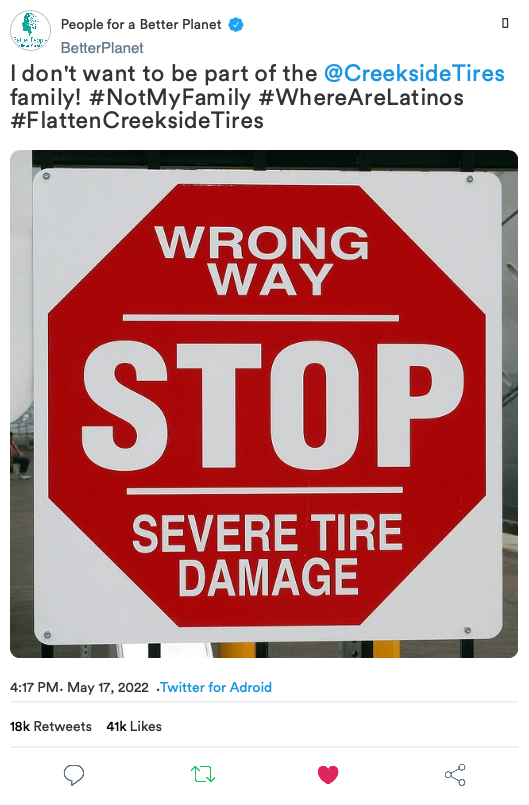
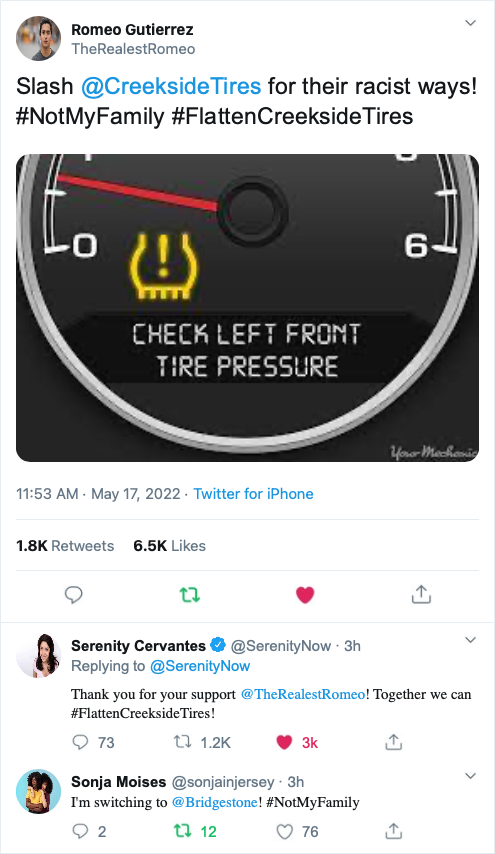
Abstract This paper combines a teaching activity that could be incorporated into a public relations management, campaign, ethics, or strategy course with qualitative research on student reactions and its goal of getting students to critically think about diversity, equity and inclusion (DEI) in strategic communication campaigns. The activity is designed to give students the ability to explore the differences between diversity, equity, and inclusion while learning how to have difficult conversations with co-workers and employers. Using a hypothetical case of an organization’s promotional campaign that is criticized by social media influencers, the activity takes students through thinking about the campaign and working through responses to the company’s actions and considering organizational change. The case challenges students to explore the nuances of diversity, think beyond the knee-jerk reactions to outside forces and consider how to communicate diversity and be inclusive in the media. In addition to providing discussion questions and supplemental materials for the activity that can be used to engage students and assess their learning about DEI issues related to campaigns, the paper uses interviews with students to explore their reactions to DEI concepts and how campaigns can move beyond targeting specific audiences to authentic inclusion.
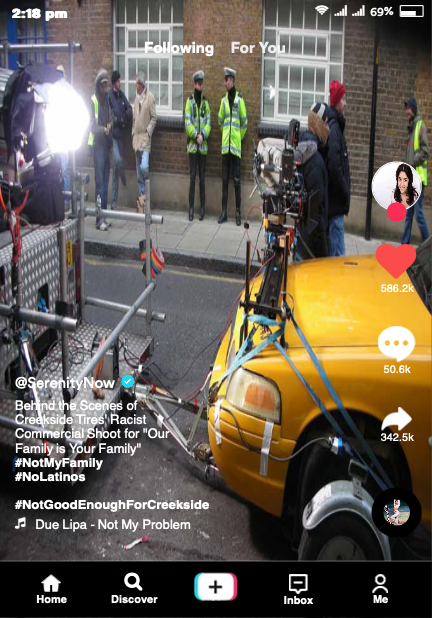
The idea for the teaching activity introduced in this article was inspired by season 1, episode 6 of the television show American Auto on NBC. The episode, entitled “Commercial,” which originally aired on U.S. television on January 25, 2022, was a fictional representation of a company reacting to being called out on social media for online virtue signaling. The episode then took viewers through the pitfalls Payne Motors encountered when trying to create a commercial for the company that was more inclusive, authentic, and diverse.
While the episode was a fictional comedy, it highlights the problems that organizations encounter from social media and missteps that can be experienced when trying to incorporate diversity because of external forces. Despite the problems, social media influencers are key elements of many public relations campaigns. Agility PR, for example, reported that among marketers, 90% of respondents felt that influencer marketing was effective (Sharva, 2022). Additionally, Agility PR recommended that influencers be added to campaigns because they can become brand ambassadors and can expose an organization to a larger engaged audience.
Due to its ubiquitous nature, social media has also become a platform for conversations regarding diversity, equity, and inclusion and an outlet for organizations to show their support for specific causes. The increased show of support and conversations surrounding DEI have led to expanded research regarding DEI in strategic communication organizations and campaigns. Yet organizations implementing DEI struggled with training and having needed conversations around the topic (Carufel, 2021). In fact, an IPR survey revealed that 20 percent of respondents acknowledged they did not recognize a difference in meaning between the terms “diversity” and “inclusion” (Carufel, 2021). Additionally, another survey found that only 53% of respondents said that their organizations provided, but did not require, training on DEI topics (Haddad, 2022). Yet, despite this lack of required training, communication professionals find themselves as being the resource for DEI counsel and practices.
Organizations such as the Public Relations Society of America , Public Relations Student Society of America , and Association for Education in Journalism and Mass Communication have stepped up to provide training for their members through a variety of outlets, including webinars. Despite these efforts, academia and the industry are still struggling with DEI efforts at all levels (Brown & Laughlin, 2019; Bardhan & Gower, 2020).
To help reduce the struggle with DEI, this article recommends using the definitions endorsed by the Institute of Public Relations when they released The Wakeman Agency’s (2021) survey on the language public relations leaders use when discussing DEI. Diversity is the mere presence of differences whether those are demographics (e.g., race, gender, ethnicity, age, sexual orientation, and socioeconomic status among others) and psychographics (e.g., values, attitudes, personal background). Diversity encompasses the intersection of these traits and considers other characteristics, such as neurodiversity, special needs, disabilities, and physical attributes. Equity promotes justice, impartiality, and fairness while promoting proportionate access and opportunities based on people’s diverse characteristics. Inclusion focuses on the genuine incorporation of diverse people into an environment so that they feel welcomed and accepted throughout the organization, resulting in feelings of being heard, respected and valued.
This article introduces a classroom activity that is a step toward DEI training within the safety of a classroom setting, which answers the call by Bardhan & Gower (2020) to incorporate more diversity and inclusion activities in the classroom. Based on interviews with students who went through the activity, the article also recommends that educators embrace the mentorship role in regard to DEI topics as called for in the report by the Commission on Public Relations Education (Mundy et al., 2018). Encouraging and supporting students to explore ways to design more inclusive communication campaigns can help these future public relations leaders move from targeting audiences with persuasive messaging to engaging authentically with them.
Literature Review
Public Relations and DEI. Public relations has long been aware of its diversity problem. As expressed during an interview, one practitioner felt that “We ‘talk the diversity talk,’ but I’m not sure we ‘walk the walk’ as much as we could.” (Hon & Brunner, 2000, p. 320). Nearly 20 years later, the industry has started to take proactive efforts to address its diversity issues. In 2015, Steve Barrett, editor-in-chief of PR Week issued a challenge to the industry to reach a benchmark for the profession to have more diverse peoples in leadership positions (2020). Although progress has been made since that charge was issued, with the largest firms reporting approximately 20% diverse talent in 2021 (Diversity Action Alliance, 2021), there is still much work to be done. In order to make sure that the work toward a diverse profession does not stop, industry organizations and businesses are taking the lead by showcasing and sharing their efforts. Practitioners of strategic communication have acknowledged that although awareness of DEI issues has improved, there is still a long way to go to ensure that the profession is representative and communicates with its audiences in a truly inclusive way.
So that their stance is clear, PRSA created a Diversity & Inclusion Committee with the goal of “building consciousness by increasing the visibility of D&I standards, resources and best practices for racial, ethnic, religious, sexual orientation and gender differences, as well as diverse skill sets, mindsets and cultures at all levels of the organization” and to equip practitioners with the tools necessary to be advocates and leaders in this area (Public Relations Society of America, n.d.). The Diversity Toolkit created by the organization provides information on being a D&I liaison to the organization, a mission statement, links to websites and the “Diverse Voices” book by the PRSA Foundation, “Do’s and Don’ts” for chapters, and a list of diversity and inclusion-focused awards and events sponsored by PRSA.
Firms and agencies focusing on strategic communication are also sharing their tips on how to be more inclusive and what they are doing to make sure they are doing their part to be more representative. These agencies recognize and acknowledge that diverse voices and practices are essential for their profession and their clients. PAN Communications, for example, suggests that ways to incorporate more diverse voices include: mentoring diverse interns, partnering with universities to identify diverse future professionals and connecting with professors, reading and implementing material on diversity provided by industry organizations, and holding panels on diversity (Magdovitz, n.d.).
Rodney Pruitt of Weber Shandwick St. Louis reminds readers that diversity, representation and acceptance are key factors when millennials are searching for their professional home (2018). These young professionals are looking to see that they are represented at all levels of the organization and often search for diverse mentors. In order to be able to recruit and mentor incoming professionals, Pruitt calls for the industry to be proactive and not reactive to their needs regarding representation and awareness of diverse voices.
The Wakeman Agency (2021) carried out the first of its kind research addressing how public relations leaders define and discuss diversity, equity, and inclusion in organizations. The research surveyed 393 public relations leaders and found some common trends. First, the language used by organizations reinforces the existing power dynamics in an organization and can derail an organization’s DEI efforts when they are not aligned. Similarly, despite the expressed commitment to DEI across the industry, there is a large gap in meaningful action and a narrow view of what constitutes diversity. Public relations leaders mostly viewed race (83% of practitioners), sex (77%) and ethnicity (75%) as a high or medium priority in industry initiatives. Diversity of thought, sexual orientation, neurodiversity, religion, and socioeconomic levels were largely viewed as a low priority. Reflecting the leaders’ failure to “walk the walk,” most of their DEI initiatives were carried out in human resources offices rather than being company-wide initiatives, and research has shown that organizational change cannot happen in departmental isolation in an organization. Its leadership must be active and ever present for cultures to shift, particularly with successful DEI implementation (Waters et al., 2023).
Simply put, firms, agencies, and industry organizations have called for the industry to make sure that diversity is one of the first things they think about regarding their workforce and work for clients, instead of an add-on at the end of the day or because of public outcry. But the day-to-day work has not yet reflected this concern, based on industry reports. Organizations that do not follow this mindset will find themselves dealing with avoidable claims and damage to their reputation of being oblivious and insensitive to the needs of the public.
PRSA (Carroll, 2022) as well as industry blogs and publications (e.g., Strater, 2021) recognize that younger practitioners from Generation Z are in the best position to shape the industry’s approach to DEI because of their lifelong access to information. They are forcing conversations about inclusion and equity in the workplace and society at large. They’re also drawing attention to the need to expand typical depictions of diversity to include neurodiversity and one’s physical and mental capabilities. As optimistic as these industry pieces are about the future of the field, young and upcoming practitioners need to be encouraged to lead and make sure the industry shifts from a DEI casual stroll to a fast-paced walk toward progress. The public relations curriculum must include lessons that help them address those challenges and develop their confidence in the classroom before they take their first jobs.
Leadership. As cliché as it sounds, today’s students are tomorrow’s leaders. However, several studies have found that leadership development and education is lacking in journalism and mass communication programs (Mills et al, 2019; Blom & Davenport, 2012; Bronstein & Fitzpatrick, 2015). Specifically, Mills et al. found that approximately 39 of the 119 programs studied had no focused leadership course and in the approximately 79 programs that did have leadership courses, the leadership component was not the primary focus of the course. This lack of focus on leadership may be due to JMC programs focusing more on hands-on experience over leadership training (Bronstein & Fitzpatrick, 2015) or because leadership is not considered a core course for JMC program directors (Blom & Davenport, 2012).
Given this lack of focus on leadership, JMC educators need to ensure that students have exposure to leadership practices or else they will enter the workforce unprepared for leadership tasks that they encounter. Though it may not be realized, students take leadership cues from educators who serve as role models and from in-class activities where they can explore different leadership approaches in a safe environment. Educators have an opportunity to create a playground for risk-taking, to explore new ideas and to cultivate best practices in their classrooms. Having the freedom to explore, and perhaps fail, in a safe classroom sets students up to be able to be accepting and encouraging of change. As future leaders in the communication field, students need to become the leaders who acknowledge, support and encourage change (Bardhan & Gower, 2020; Meng, 2015). These future leaders also need to engage with diversity and represent diversity (Bardhan & Gower, 2020).
While there is no universal approach to being an effective leader, Sudkee (2021) found that key indicators of transformational leadership in undergraduate students are “intellectual stimulation” that “stimulate[s] their colleagues’ creativity,” “idealized influence” where peers are examples of “respectable and trusted leaders” and “individual consideration” where students “recognize other’s value and importance” (p. 102). Berger (2009) identified nine qualities essential in public relations leaders: being a leader by example, being effective and credible in decision making, having a strong ethical stance and professional standards, being able to communicate well, knowing the strengths and weaknesses of themselves and others, having a desire to lead, being transformational and inclusive, being passionate about the profession, and fostering change and a culture of communication. Students in JMC courses have the opportunity to build these skills and define what they believe makes for good leadership if they have in-class opportunities to explore the process of leadership and develop their concepts of an ideal leader.
Higher education is the perfect setting to provide students with opportunities needed to explore and take risks. By allowing and encouraging risk and change, academia can create a new generation of informed citizens by refocusing and reinventing curricula and assignments to challenge students and develop leadership. Mills et al. (2019) called for JMC programs to “work to ensure the competencies [of leadership] are spread throughout the 4-year curriculum in a meaningful way” (p. 273). The advertising/public relations/strategic communication campaigns course is the ideal place to assess student leadership skills gathered throughout a JMC program while adding current relevant leadership due to the fact that this course often has a team project and often follows the structure of a real-world agency. Challenging students to think through difficult conversations like those involving DEI will better prepare them to be tomorrow’s leaders when they face those questions in the workplace.
Audience Segmentation or Stereotyping? Through campaigns courses in the public relations curriculum, client-serving agencies, and campaign competitions like the Public Relations Society of America’s Bateman Case Study competition and the American Advertising Federation’s National Student Advertising Competition, students have the ability to gain leadership experience in developing and implementing campaigns. Strategic communication curriculum has outlined several approaches to campaign development, including the ROPES Process, RPIE, and RACE (Kelly, 2001; Smith, 2020; Universal Accreditation Board, 2018). Hardy and Waters (2012) reviewed 42– years of PRSA Silver Anvil-winning campaigns to determine how well they adhered to recommended campaign development approaches. They found that campaigns were successful in naming specific targeted audiences and increasing in their sophistication of developing objectives; however, evaluation largely consisted of basic publicity measures.
Communication campaigns regularly name specific audiences that they are trying to persuade; however, recent scholarship and industry groups have criticized that audience segmentation is based on stereotypes for most organizations and should be removed from practice (e.g., Tan et al., 2022). Segmentation breaks up a large target market into smaller, more homogeneous groups by grouping people together based on shared traits for more effective outreach. Research has found that using demographics to segment audiences is the most common practice in strategic communication (Müllensiefen et al., 2018); however, other approaches include geographic, psychographic, and behavior-based segmenting. Demography divides the target audience based on traits, such as age, gender, race, sexual orientation, income, and education while geographic segmentation is based on local, regional, national, or global markets. Psychographic segmentation is based on shared interests and lifestyle traits, and behavior-based segments are typically focused on loyalty or product/service usage (Goyat, 2011).
When segmentation is done correctly it can lead to successful identification of and communication with key audiences. However, segmentation must be driven by research data and not simply based on gut instincts (McKercher et al., 2022). Campaign planners cannot assume that someone they know personally typifies a stakeholder group. Data must be used to segment the audiences. Segmentation should not be oversimplified but be research-based. Technology, data tracking, and analytics have made it easier to pinpoint target audiences and create detailed brand personas, but campaign planners still need to make some generalizations about their audiences. It’s when those generalizations are pushed to the extreme that brands run into trouble.
However, the parameters for separating the segments cannot be too broad. Models based on demographic variables run this risk. For example, age-based segmentation frequently uses age to identify a generational cohort and not a segment within that generation. Similarly, brands that have created messaging for women or LGBTQ+ audiences have backfired because the messaging was deemed patronizing or offensive (Hoffman & Delahanty, 2021). Segmenting based solely on one or two demographic factors ignores the significant work that has been produced on intersectionality (Rosa-Salas & Sobande, 2022; Vardeman-Winter et al., 2013; Vardeman-Winter & Tindall, 2010). Work on intersectionality and multidimensional diversity is paving the way for a culture ready to embrace inclusivity.
Developing More Inclusive Campaigns. Advertising and public relations campaigns frequently divide the entirety of their stakeholders into smaller, more reachable audiences through segmentation. However, the language used to describe the process (e.g., targeting) and the groups that result from this process (e.g., target audiences) conjure up images of hunting down a particular group and capturing their attention. While segmentation may be necessary for campaigns to create and deliver more effective messaging, it also steers practitioners to think about those audiences in a non-inclusive manner. The audiences become groups to track and target rather than include in the campaign in a more engaging, meaningful way.
Public relations literature has recently encouraged practitioners beyond the targeting approach with its campaigns through the introduction of SMART+IE objectives (Waters et al., 2021). The SMART+IE approach traces its origins to broad organizational management to ensure that organizations check for disparate impact along identity and power lines and ultimately minimize that impact for everyone. The addition of inclusion and equity to the traditional SMART goal challenges organizations to promote these aspects in their work. While some goals may not appear to have an inclusion and equity component to them, organizations are challenged to think how they can promote these elements in the organization’s work.
As an example, in wake of the June, 2022, United States’ Supreme Court’s reversal of the Roe v. Wade decision, nonprofits on the pro-life (e.g., March for Life) and pro-choice (e.g., Planned Parenthood) sides of the discussion could have simply created awareness campaigns to highlight the issue and argue for their positions. This work easily could have incorporated SMART criteria (specificity, measurement, audience-focused, realistic, and timebound) into its design, but it becomes significantly more meaningful when inclusion and equity components are added to awareness building. This can be done by adding specific actions that reach out to diverse populations and meaningfully engage with them. For this example, the pro-life and pro-choice positions might decide to “increase the number of African-American/Black church leaders’ voices in policy discussions and propositions” or “develop coalitions with women’s health clinics in Hispanic communities,” respectively, to their awareness campaigns.
The Management Center (2021) recommends adding inclusion and equity to SMART goals to address systemic issues that perpetuate inequity and social injustices. For public relations, moving beyond traditional SMART criteria for campaign objectives to include elements of inclusivity and equity challenges the industry to be more socially responsible and engage its audiences in more respectful and meaningful ways–not simply target them. Incorporating SMART+IE objectives into campaigns indicates that inclusion and equity are additional components that require extra consideration. Practitioners should not simply work to target an audience with messaging; rather, socially responsible practitioners carefully consider the communities they serve and reflect on how they can be brought into the organization and campaign without merely tallying the diversity that they have targeted (Farwell et al., 2022).
Inclusion and equity must be intentional in strategic communication campaign efforts. For example, a corporation that is recruiting employees for a new endeavor it is pursuing may have a communication objective to “Recruit a team of 50 new entry-level employees from the Dallas-Fort Worth Metroplex for Project XYZ by August 31, 2022.” This objective meets the SMART criteria by having a specific outcome (employee recruitment), being measurable (50 new entry-level employees), naming an audience (Dallas-Fort Worth Metroplex residents), being realistic given the company’s resources and schedule, and being timebound (completed by August 31, 2022). With this objective, planners could go into the community and target specific neighborhoods for recruitment and completely overlook other stakeholder groups.
To add the inclusion and equity components and make this a SMART+IE objective, campaign planners need to pause and reflect on these concepts and how they can intentionally bring them into the organization. A revised SMART+IE version of the objective might read: Recruit a team of 50 new entry-level employees from the Dallas-Fort Worth Metroplex for Project XYZ, using feedback from internal BIPOC and LGBTQ+ employee resource groups, by August 31, 2022. Using this revised SMART+IE objective, campaign planners acknowledge that perspectives from employee resource groups may be helpful in creating a more inclusive team rather than leaving the hiring decision in the hands of a small group of administrators.
Younger public relations practitioners have repeatedly told researchers that they want more than a career; they want to have big impacts on topics such as social justice and systematic change (Gallicano et al., 2012; Pompper, 2015). Educators can help students accelerate that change by challenging them to confront difficult issues, such as DEI, in course work. By incorporating assignments that emphasize inclusion and equity over targeting a named audience, students are on the fast track to become industry leaders with gained confidence from classroom discussions and experiences with their own campaign planning in capstone courses.
SMART+IE objectives can transform publicity and awareness building campaigns into ones that embrace marginalized communities. Throughout the year, corporations, nonprofits, and government agencies embrace heritage/history and awareness months with messaging saying they celebrate different communities or encourage audiences to donate to select causes. These performative messages embrace the marginalized audience briefly but fail to demonstrate how – or, if – the organization has genuinely reached out to the community for greater involvement.
Incorporating the SMART+IE mindset into communication campaigns requires embracing inclusion and equity as part of the organization’s culture. Bringing inclusivity and equity into strategic communication campaigns challenges planners to bring traditionally excluded groups into processes, activities, and decision-making in a way that shares power (Mor Barak, 2022). It moves beyond incorporating the Center for Integration and Improvement of Journalism’s Diversity Style Guide (Kangiel, 2019) into messaging to removing social systems and structural barriers that prevent all of an organization’s stakeholders from having the same opportunities to participate and benefit from the organization’s offerings, whether they be community sponsorships, employment, discounts, or simply access to programs and services. Being diverse merely is a tally of what demographic or sociographic representatives are involved. Being inclusive moves beyond tallying up who was involved to thinking about ways that perspectives and ideas are heard and acted upon, and legitimate partnerships are created to uplift stakeholders so that equitable outcomes are available for all individuals.
Given the relationship between mentoring students and training them to be leaders, this research explores how a classroom exercise challenges students to think about diversity, equity, and inclusion in communication campaigns and gauges their reactions to SMART+IE objectives. Based on the previous research and other practitioner-literature reviewed prior to creating the classroom activity, the following research questions were created to guide the student interviews:
RQ1: How do students view public relations’ connection to diversity, equity, and inclusion?
RQ2: How did students perceive the classroom activity?
RQ3: How did students react to SMART+IE objectives in the activity?
Method
Early in the Spring, 2022, semester, an episode of “American Auto” featured a plot where a Payne Motors’ commercial was being reshot to highlight the company’s inclusivity after a series of events portrayed the company negatively. Though written in a humorous tone, the episode introduced important lessons about authenticity and being committed to diversity, equity, and inclusion. The researchers designed an activity reflecting the overall nature of the episode, but introducing a broader range of diversity than the episode presented and adding social media responses to leaked behind-the-scenes footage from a commercial shoot.
The Assignment. The complete “Our Family is Your Family” assignment details are presented in the Appendices. Supporting materials include a basic scene description featured in the commercial series developed by the strategic communication agency hired by the company, an internal memo from a communication team specialist expressing concerns about the scenes, a series of emails and text message exchanges sent throughout the planning and filming of the commercials as well as examples of social media response the campaign generated.
The Research. To answer the study’s three research questions, in-depth interviews were conducted with 22 students who participated in the exercise in two separate classes taught by the researchers, one undergraduate “Issues in Advertising” class (43 students enrolled) and one graduate “Strategic Communications Management” course (18 students enrolled) at the researchers’ institutions. Nine of the students interviewed were graduate students while 13 were undergraduates. Students at both the undergraduate and graduate level were asked to participate in the interviews to gauge how students from both the Millennial Generation and Generation Z viewed the exercise and reflected on its utility.
After receiving expedited approval from the institutional review board, students were recruited to participate when the researchers sent emails asking for students’ comments and reflections on the exercise during one-on-one interviews; more than one-third of students participated in interviews (36.1%) even though the semester had ended. The majority of students who participated identified as female (68.1%) while males (31.8%) represented a smaller proportion of participants. Three individuals (13.6%) used they/them pronouns in addition to she/her and he/him pronouns.
Prior to the interviews, students were reminded about the goals of the research and encouraged to be open about the exercise. The informed consent documents promised confidentiality to the participants, and modifiers are used in place of participants’ names in the results section that follows. Interviews were conducted after final course grades were calculated and submitted to the schools so that could be eliminated as an influence on participants’ answers. Most interviews (n=17) were recorded with Zoom (Archibald et al., 2019); however, detailed notes were taken during in-person interviews, which ranged from 19 to 35 minutes, to capture quotations and sentiments. Two students provided email responses due to work constraints.
The interviews opened by asking students to reflect on their perceptions about diversity, equity, and inclusion as it pertains to strategic communication. Questions then shifted to focus on their reactions to the planned Creekside Tires campaign, experiences with the classroom activity, and their thoughts about SMART+IE objectives generally and specifically to the exercise.
Zoom’s automated transcripts were reviewed and cleaned by the researchers. Transcripts along with notes taken during the interviews were read and compared against each other while looking for similarities. As documents were read, researchers used an evolving process to evaluate thoughts expressed by students that began as positive/negative and then grew to represent specific thoughts or themes presented in the results. Those with shared commonalities are grouped together by category to reflect the similar ideas (Lindlof, 1995). During the analysis, validity checks were conducted by asking students whether quotations and their thoughts were captured correctly (Lincoln & Guba, 1985). These member checks were conducted within 14 days of completing the full analysis.
Results
Research Question #1. The study’s first research question sought to explore how students view the industry’s commitment to diversity, equity, and inclusion. Overall, the students felt that they were experiencing a change in industry practices. One female undergraduate said, “I love the increase in diversity in recent years. For far too long, there was a strong focus on white, heteronormative messaging” for all of an organization’s stakeholders. Another undergraduate female made an observation that “a lot more diverse people are going into advertising and public relations” based on her internship experiences, and the influx of a more diverse workforce “will be reflected in the campaigns they launch.”
While students generally expressed positive sentiments about the diversity of the field, one undergraduate female expressed that “while I am happy with [the growing diversity of the industry], there are still fundamental issues that companies are getting wrong. One graduate female student agreed, noting that “HR is regularly recognized for its recruiting efforts for diverse talents at my agency, but that’s all that’s being done.” A male graduate student felt that public relations developed campaigns for specific communities “but it never goes beyond social media posts celebrating Pride or a donation to a community center.” Students hoped to see more genuine inclusivity with both internal and external stakeholders in the future.
One female undergraduate felt that specific agencies and corporations were unlikely to become inclusive. She said, “although I don’t agree with it, I don’t think companies will take the risk of creating an environment where everyone has their voice heard.” A male undergraduate noted that while companies needed to show they were listening, “they don’t really want to hear suggestions and feedback, so they put on a show listening to [marginalized voices] even though decisions have already been made.”
A portion of students do not fully understand the challenges faced by others as one male graduate student questioned why it had become a trend. He commented that “I just don’t get the big focus on DEI. Everyone’s encouraged to participate in team meetings and strategy sessions. It’s like that at all the agencies I know people at.” A female graduate student with a decade of professional experience also questioned the strong emphasis on inclusion but came around to recognize that “some concerns that are brought up in meetings aren’t really paid attention to.”
When asked about equity in the industry, most students acknowledged that the industry was “not even in the ballpark’s parking lot” as one female graduate student put it. Another female undergraduate confessed that “I don’t really know the difference between inclusion and equity. They’re always grouped together.” While the response may not have been what we were looking for after the activity, it shed light on the need for more discussion about inclusion and equity in the public relations curriculum.
Research Question #2. The second research question asked how students perceived the classroom activity and ultimately how it reflects the industry. Students understood that the classroom activity highlighted the challenges organizations could face if they were not fully committed to diversity at all levels of the organization. The exercise demonstrated how complex diversity, equity, and inclusion can be for organizations that lack an inclusive culture. One undergraduate female student said it opened her eyes to how organizations connect to different stakeholders, noting “I don’t want to say [Creekside Tires is] going about it the right way, but I understand why they operate in that way.” Her comments were echoed by a male graduate student who said, “If you don’t include everyone in a message, then you’re going to face the woke army. But, if you make it obvious that everyone’s included, you also face the fire.”
The activity caused a female graduate student to realize issues faced from being inclusive; she noted, “Even for companies that support DEI, your commercials can be taken the wrong way. You’re always going to be criticized for not doing enough because you can’t put everything into a 30 second spot.” She added, “Companies that get it still have to worry about their bottom line. Ideally, they would have a chance to include someone from a marginalized community. But these days one side will accuse them of courting that group and the other side slams them for wanting that community’s business.” A female undergraduate student said, “this [activity] made me realize how important the parts of a campaign are that you don’t see on TV, the web, or social media.” Other students also reflected on how important genuine outreach to marginalized communities isnecessary but wondered “if [Creekside] worked with LGBT or disabled groups with scholarships or something, how do they get people to notice that?”
While some students wondered about how to demonstrate inclusivity to mass audiences, there were also students who identified as strong supporters of DEI who questioned how they would handle the situation in the case study if they were in the same situation. A female graduate student said, “It seems wrong but some of the stereotypes are true. I’m a lesbian, and I dress a certain way. Why can’t you use language or visuals that cue us into the commercial? GLAAD or some other group may complain about that, but it’s true for many of us.”
The exercise generated meaningful discussion in the classroom, and students reflected on this during the interviews. “I’m glad we talked about this after it. My group was scared to talk about how we would handle [the Creekside Tires situation] because we thought we’d be judged,” said one undergraduate male. A female undergraduate added, “I felt comfortable talking about it in class cause we all seem on board with DEI, but I don’t know if I would have said anything at my internship.” As discussions about the exercises drifted from the classroom to the workplace, students became less confident though one female graduate student said:
This example helped me think through how I’d bring it up at work. We talk about diversity but it’s fake like the commercials. We have programs that we present to different groups, and the [Executive Director] is proud of [our diversity outreach] but we didn’t involve them. We just presented to them.
Finally, students expect they will see significant changes in communication campaigns as they enter the workforce. “That commercial idea seems so 2000s, but all you gotta do is watch advertising for an hour to see it’s still everywhere. It’s ridiculous,” said one female undergraduate. One male undergraduate said that companies seem to get diversity, but it’s going to take “understanding how to really include people of all walks of life into campaigns to become respectable.” Through the various discussion questions, students began to see the difference between diversity, equity, and inclusion. One undergraduate female felt “inclusion will continue to expand because my generation are profound supporters of it, and we’ll make change whether they want to move on from diversity or not.” SMART+IE objectives helped clarify the distinction but the participants struggled with how to achieve inclusion and equity in campaign planning.
Research Question 3. Students’ reactions to their initial exposure to SMART+IE objectives were collected for the final research question, and there were a few skeptical voices. One student questioned, “couldn’t the inclusion part be part of the action in a SMART objective?” while another pointed out that “the [weekly course reading] showed objectives weren’t following SMART fully, so will they really add the IE?”
Other responses were more positive though they found the SMART+IE objectives challenging. “I wish we had these in our strategy class because it forces you to think beyond publicity,” one female undergraduate said. A male undergraduate said, “I didn’t get the difference between DE&I until I had to use SMART+IE. Targeting is really easy to accomplish diversity, but it’s a lot tougher to get people included in an equal way.” A female undergraduate offered that “I kept thinking my inclusion component was superficial. It’s tough to write about such an important part in an objective. It’s going to take practice to get it right.” Another female undergraduate noted that SMART+IE objectives were tough because “I don’t see how these would work with the work I do at my internship, but maybe they make more sense when you manage accounts.”
She added “I want to show this to my [internship] supervisor because we’ve talked about the SMART ones but never these. It could really change how they do their campaigns.” The female undergraduate was not the only one who was taking a lead in bringing SMART+IE objectives to the industry. A female graduate student with a six-year career in the nonprofit sector said, “I’m going to use these with our community outreach program and talk about them with program staff.” Other students felt that SMART+IE objectives “should replace SMART objectives because that makes us think about inclusion and equity,” said one female undergraduate. If the traditional SMART objectives continue to be used in campaign planning, “they’ll only focus on inclusion and equity if someone in the room brings it up,” one female graduate student said, “but starting with SMART+IE puts it on the table for discussion from the very beginning.”
Although students sometimes struggled with writing SMART+IE objectives, they were optimistic about the future of their profession. One male graduate student asked, “why aren’t these objectives in our textbook? They’re going to lead to deeper campaigns that have more important outcomes than increased sales or views.” After an interview with a female graduate student, one of the researchers received an email in which the student said:
Thank you for introducing SMART+IE objectives in class this semester. I’ve not used them at work yet, but I plan to. Talking about them during the interview yesterday got me excited to talk about them at work. I’ve already set up a meeting with my manager to show it to her.
While students had some hesitations when they first began using SMART+IE objectives, the Creekside Tires case study activity and subsequent discussion helped them see SMART+IE’s value to campaign planning and ultimately the future of the profession.
Post hoc commentary. Although not the primary focus of the study, the researchers asked each other questions about their experiences with the assignment once the results had been analyzed and they were able to reflect on it. One author noted that “the best part was after class when students would come to my office to discuss DEI and how they could be prepared for when they graduate so that they could make a change.” Even though only 36% of students enrolled in the two classes participated in interviews, there was a clear interest in inclusivity from many others in the classroom. The same author received an email after the interview was completed that thanked him/her/them for doing this exercise in class and evaluating reactions to it because it was the first time the student had this type of discussion in a course in their field of study. One author had a similar reflection noting that “By incorporating DEI activities in the classroom, we are telling our students that we are open and willing to have these discussions with them. We are setting the example for how they can have these discussions with others in the workplace.”
“This assignment really challenged me to proactively think about how I can create a safe space for students since I didn’t know how the exercise would go,” said one author. Similar to the results of The Wakeman Agency report, one author said, “I’m still learning too. I don’t have all the answers, and it’s helpful to have working students bring their experiences into the classroom. At times, they’re teaching me as much as I’m teaching them.” That co-teaching effort is helping them develop their confidence to become leaders who address these situations moving forward. One author said, “It is clear our students really wanted to be leaders in DEI activities and that they were looking for resources. They are looking for people who they can emulate in terms of leading the DEI discussion.”
Discussion
Public relations has long been aware of its diversity problems (Hon & Brunner, 2000) and the benefits of correcting its lack of inclusion and equity among practitioners and stakeholders (Edwards, 2011). Tsetsura (2011) discusses how faculty can present diversity in a multidimensional manner in the classroom so that students understand how complex addressing issues of diversity, equity, and inclusion can be, but also appreciate how rich the industry could be if practitioners are able to move past narrowly targeting and manipulating audiences to embracing them as vital components of campaigns and not just static message recipients.
The classroom activity presented as part of this research sought to do just that. In presenting Creekside Tires’ plans for the “Our Family is Your Family” campaign, the case and supporting evidence highlights how broad diversity is at the practical, campaign-planning level and challenges students to think about the audiences using multiple dimensions of diversity. But the activity moves beyond simple representations of diversity in a commercial to challenge students to develop a culture of inclusivity and equity in an organization. Interview findings showed that students embraced the DEI concepts but struggled to devise clear strategies for how they would implement that in either the workplace or a communication campaign.
As educators, it is our responsibility to challenge our students with difficult questions and help them in their struggles to answer them. Having awkward or difficult conversations in the classroom prepares students for career opportunities where they can build inclusive, equitable teams and ultimately be the change agents needed to create an organizational culture that embraces inclusion and equity. Educators are in the perfect position to be a mentor to students to help them devise strategies to incorporate a more enlightened approach to communication campaigns beyond targeting and manipulating audiences or presenting idealized depictions.
One of the first lessons educators must stress to students is that organizations must quit communicating a commitment to DEI without having credible evidence or demonstration of progress. Many organizations felt compelled to share their DEI commitment during the social movements that occurred during the COVID-19 pandemic. However, little communication followed the statements posted to their websites or social media accounts. This was also reflected in Creekside Tires’ desire to combat COVID-19 isolation by reinvigorating its “Our Family is Your Family” tagline. Although its proposed new campaign was designed to be more reflective of its stakeholders, there was no evidence beyond commercial visuals to demonstrate a commitment to DEI. Through classroom activities and conversations with students, educators must stress that organizations and industries cannot be committed to DEI unless there is ongoing measurement of that work (Kirton & Greene, 2021). As soon as that commitment has been expressed, stakeholders–whether they are employees or social media influencers like Serenity in our case study–will begin to look for examples or measures of that progress
That measurement, however, cannot simply be increased percentages of women, people of color, or LGBTQ+ shown in marketing collateral or hired to work for an organization. The goal of inclusivity is one where stakeholders genuinely feel included because of the organization’s or industry’s culture that respects and supports all stakeholders (Dover et al., 2020). When organization’s measurement of their DEI efforts transitions from simply tallying diversity numbers to true measures of belonging and inclusivity, stakeholders have an active role in shaping the culture, not simply being a token representation. Based on descriptions in the case study, Creekside Tires had a diverse workforce; however, ignoring Jai Lee’s commercial concerns and comments made in emails and text message exchanges reveal that the organization may present diversity but it is not genuine.
Another mistake that educators can stress to students is to avoid messaging that does not reflect what is being said by management. When organizations promote DEI as Creekside Tires did in its campaign, its public and private conversations must also reflect that message. The case study highlights an organization that presents diversity and the idea that “Our Family is Your Family,” but comments made among company representatives hardly support that.
Creekside Tires was preparing commercials to target marginalized groups with visuals that show they are part of the family, but those same voices were not heard within the organization. Jai Lee was ignored and dismissed because of her age. The initial response to the social media influencer included language that was far from inclusive when the CEO demands the agency “make her stop” and tells his internal communication team they need to “find a way to muzzle” the “snot-nosed little brat.” While it is understandable that the company would be upset over the social media crisis, comments made during heated moments often reveal how management views its DEI efforts (Mikkelsen & Wåhlin, 2020). Having students experience these scenarios in a classroom setting will help them develop their skills for if they see these views or similar in their careers. Preparing students to address these types of conversations openly in an organization helps them develop as potential leaders. Having students maneuver the situation in a hypothetical setting gives them the confidence and skills to communicate the issue and challenges to management. Having classroom activities such as the one in this study gives educators the opportunity to prepare and mentor students for these situations and conversations.
Organizational leaders must be an active part of the DEI culture in their organization, and they have more than a profit-margin rationale to do so. A successful DEI culture cannot thrive in a pure top-down environment (Thibeaux et al., 2006). In the Creekside Tires situation, inclusivity concerns from a communication staffer were ignored while the approach taken was from an order from the company’s executive. When management is not fully engaged in DEI efforts, they will inevitably fail. Managers may stay silent when they see unsupported actions as a result of being concerned about saying the wrong thing. That silence, however, provides false safety and sends the wrong message. Leaders must be willing to address DEI situations that arise in the workplace and advocate for cultural and systematic changes that advance marginalized voices.
Finally, DEI practices must move beyond one-way communication channels. Public relations often advocates for two-way communication with stakeholders. Kent and Lane (2021) argue that two-way communication rarely produces genuine dialogue because of the difficulties of engaging with audiences; yet relying on one-way campaigns to convey an organization’s DEI efforts simply will not work. Inclusion and equity require leaders work to understand audiences which, in turn, requires asking questions and active listening. Practitioners should learn how to demonstrate empathy with stakeholders and become comfortable addressing sensitive topics.
Educators stress engagement and interactivity in discussions about strategic communication campaign planning, and we must use this same approach when mentoring our students about DEI. Sharing our own positive and negative experiences can be a bridge to understanding how to successfully create an inclusive campaign.
Conclusion
As the industry struggles with moving beyond diversity to incorporate inclusivity and equity in its efforts, educators might use their own challenges with understanding and incorporating DEI into their professional lives to mentor students (Brown, 2018). We can pass along lessons that we have learned to our students so that they can build on our experiences and develop initiatives to improve the strategic communication industry’s approach to DEI.
When students graduate and enter the workforce, they will encounter situations where they may be asked to lead DEI discussions or even be expected to be the lead structural change for their organizations or the future of the profession. Providing DEI mentorship in class gives students a foundation to draw upon in future professional settings. Students who are mentored will have a long-lasting relationship with their professors and a valuable resource when they encounter difficult situations. This will provide students with the opportunity to continue to foster the mentor-mentee relationship while also keeping the educator aware of potential trends and changes in the industry.
Additionally, having a successful mentoring experience connected to DEI while in a classroom setting encourages young professionals to step up and become successful mentors and leaders for others in their profession. Having practiced leadership and DEI challenges in the classroom gives students the confidence in their ability to start, lead, or shape the difficult discussions that often need to happen around DEI in organizations.
Most important, however, is the fact that students emerging from successful mentoring experiences have a stronger sense of identity and feel more connected to their chosen profession. This cultivates passion and the desire to change their profession to be more inclusive. Mentoring, in essence, prepares our students to be more effective mentors and leaders for future generations.
Limitations. Every research project has limitations, and this one is not an exception. Given the size of the classes that were asked to participate, the sample size of interview participants was relatively small although saturation was reached. The saturation point may have been reached, however, because of the sensitivity of the topic. Students may not have wanted to reveal their thoughts on DEI, especially to an instructor whoheld a SMART+IE-focused activity in the classroom. Additionally, given the modern “cancel culture” some students might have not felt comfortable discussing DEI for fear of saying something that might offend. Even though the interviews were conducted after the semester’s final grades were submitted, students might have felt that saying something “wrong” might jeopardize the relationship they had with the teacher, who might be needed for job or college recommendations or might even be a colleague.
Although the interviewed students were asked about their gender identity (e.g., what gender they identified with and what pronouns they preferred), the researchers also acknowledge that students were not asked about other demographics due to administrative oversight of the project. Though generational differences did not emerge in these results, further examinations of SMART+IE objectives in public relations should also take racial/ethnic identities into consideration.
Future Research. Given the triple focus of the special issue with mentorships, leadership, and DEI, there are plenty of opportunities to build on this project and grow public relations awareness and understanding of how to cultivate a DEI culture. Spinning off of the ideas presented in this paper, research could examine the faculty-student mentoring relationships to determine what successful matches look like and what purpose they serve for both sides of the relationship. Additionally, research could be carried out either qualitatively or quantitatively to determine how students view themselves as DEI leaders both before and after working through classroom activities where difficult concepts are introduced. Students might also be asked to evaluate the impact of these classroom activities on their confidence in navigating similar challenges in the workforce.
But, the leading topic of interest of this special issue and the industry is diversity, equity, and inclusion. Regarding education, a review of strategic communication curriculum or the entire journalism and mass communication curriculum to see how DEI is woven into coursework would be appropriate, especially if faculty are looking to develop students into leaders who are capable of changing existing organizational structures and cultures in the future. A coorientation method study would be helpful to compare and contrast the perceptions of DEI of current students with practitioners to see just how close or far apart the contemporary and future practitioners are with their views toward diversity, equity, and inclusion.
Works Cited
Archibald, M. M., Ambagtsheer, R. C., Casey, M. G., & Lawless, M. (2019). Using Zoom videoconferencing for qualitative data collection: Perceptions and experiences of researchers and participants. International Journal of Qualitative Methods, 18, 1-8.https://doi.org/10.1177%2F1609406919874596.
Blom, R., & Davenport, L. D. (2012). Searching for the core of journalism education: Program directors disagree on curriculum priorities. Journalism and Mass Communication Educator, 67(1), 70-86.https://doi.org/10.1177/1077695811428885
Bronstein C. & Fitzpatrick, K. R. (2015). Preparing tomorrow’s leaders: Integrating leadership development in journalism and mass communication education. Journalism and Mass Communication Educator, 70(1), 25-88.https://doi.org/10.1177/10776958145661
Dover, T. L., Kaiser, C. R., & Major, B. (2020). Mixed signals: The unintended effects of diversity initiatives. Social Issues and Policy Review, 14(1), 152-181. https://doi.org/10.1111/sipr.12059
Edwards, L. (2011). Diversity in public relations. In L. Edwards & C.E.M. Hodges (Eds.), Public relations, society & culture (pp. 87-101). London: Routledge. https://doi.org/10.4324/9780203832134
Farwell, T.M., Waters, R.D., & Chen, Z.F. (2022). Revising SMART+IE: A Classroom Activity for Increasing Diversity, Equity, and Inclusion in Communication Campaigns. Advertising & Society Quarterly 23(1), https://www.muse.jhu.edu/article/853005.
Gallicano, T. D., Curtin, P., & Matthews, K. (2012). I love what I do, but… A relationship management survey of millennial generation public relations agency employees. Journal of Public Relations Research, 24(3), 222-242. https://doi.org/10.1080/1062726X.2012.671986
Goyat, S. (2011). The basis of market segmentation: a critical review of literature. European Journal of Business and Management, 3(9), 45-54.
Hardy, E. E., & Waters, R. D. (2012). Identifying the norms of professional practice: Reviewing PRSA’s Silver Anvil award-winning campaigns. Public Relations Review, 38(5), 898-905. https://doi.org/10.1016/j.pubrev.2012.09.003
Hoffman, L., & Delahanty, J. (2021). To speak to me, address us: Insights from LGBT young adults to inform public education campaigns. Health Promotion Practice, 22(5), 641-648. https://doi.org/10.1177/1524839920933893
Kanigel, R. (2019). The diversity style guide. John Wiley & Sons.
Kelly, K. S. (2001). Stewardship: The fifth step of the public relations process. In R. Heath (Ed.), Handbook of public relations (pp. 279–289). Sage.
Kent, M. L., & Lane, A. (2021). Two-way communication, symmetry, negative spaces, and dialogue. Public Relations Review, 47(2), 102014. https://doi.org/10.1016/j.pubrev.2021.102014
Kirton, G., & Greene, A. M. (2021). The dynamics of managing diversity and inclusion: A critical approach. Routledge.
Lincoln, Y. S., & Guba, E. G. (1985). Naturalistic inquiry. Sage.
Lindlof, T. R. (1995). Qualitative communication research methods. Sage.
McKercher, B., Tolkach, D., Eka Mahadewi, N. M., & Byomantara, D. G. N. (2022). Choosing the optimal segmentation technique to understand tourist behaviour. Journal of Vacation Marketing, 13567667221078240. https://doi.org/10.1177/13567667221078240
Mikkelsen, E. N., & Wåhlin, R. (2020). Dominant, hidden and forbidden sensemaking: The politics of ideology and emotions in diversity management. Organization, 27(4), 557-577. https://doi.org/10.1177/1350508419830620
Mills, A., Sanders A. K., & Hussain, S. S. (2019). Fitting it all in? A census of undergraduate ethics and leadership courses in accredited U. S. journalism and mass communication programs. Journalism and Mass Communication Educator, 74(3), 265-275. https://doi.org/10.1177/10776958187775
Mor Barak, M. E. (2022). Managing diversity: Toward a globally inclusive workplace. Sage Publications.
Müllensiefen, D., Hennig, C., & Howells, H. (2018). Using clustering of rankings to explain brand preferences with personality and socio-demographic variables. Journal of Applied Statistics, 45(6), 1009-1029. https://doi.org/10.1080/02664763.2017.1339025
Mundy, D., Lewton, K., Hicks, A., & Neptune, T. (2018). Diversity: An imperative commitment for educators and practitioners. In E. L. Toth & K. Lewton (Eds.), Commission on Public Relations Education 2017 report on undergraduate education (pp. 139-148). http://www.commissionpred.org/wp-content/ uploads/2018/04/report6-full.pdf
Pompper, D. (2015). Corporate social responsibility, sustainability, and public relations: Negotiating multiple complex challenges. Routledge.
Rosa-Salas, M., & Sobande, F. (2022). Hierarchies of knowledge about intersectionality in marketing theory and practice. Marketing Theory, 22(2) 14705931221075372. https://doi.org/10.1177/14705931221075372
Sukdee, T. (2020). The development of indicators for transformational leadership of undergraduate students at Thailand National Sports University. World Journal of Education, 11(1), 94-106. https://doi.org/10.5430/wje.v11n1p94.
Tan, N., Parashar, N., Ahmetoglu, G., & Harris, L. (2022). Marketing to unstereotype audiences: Investigating the relationship between stereotypical thinking and creativity in marketing campaigns. PsyArXiv. https://doi.org/10.31234/osf.io/kxhqg
Thibeaux, S., Tillotson, G., Falls, T., & Bell, R. L. (2006). Imposition of diversity: The imposition of diversity-training through top down management communication. Journal of Diversity Management, 1(2), 1-12. https://doi.org/10.19030/jdm.v1i2.5030
Tsetsura, K. (2011). How understanding multidimensional diversity can benefit global public relations education. Public Relations Review, 37(5), 530-535. https://doi.org/10.1016/j.pubrev.2011.09.020
Vardeman-Winter, J., & Tindall, N. T. (2010). Toward an intersectionality theory of public relations. In R. L. Heath (Ed.), The Sage Handbook of Public Relations (pp. 223-235).Sage.
Vardeman-Winter, J., Tindall, N. T. J., & Jiang, H. (2013). Intersectionality and publics: How exploring publics’ multiple identities questions basic public relations concepts. Public Relations Inquiry,2(3), 279-304. https://doi.org/10.1177/2046147X13491564
Waters, R. D., Chen, Z. F., & Gomez-Barris, L. (2021). Rethinking campaign management to include a “SMART+ IE” mindset. In D. Pompper (Ed.), Public Relations for Social Responsibility (pp. 137-147). Emerald Publishing Limited.
Waters, R. D., Gomez-Barris, L., & Chen, F. (2023, in press). Meandering, mistakes, and movement: Stages of organizational culture change for DEI. In B. Van Gilder, J. Austin, & J. Bishop (Eds.), Communication and organizational changemaking for diversity, equity and inclusion: A case studies approach (pp. TBD). Routledge.
Appendices
Appendix A: The Assignment
Learning Objectives. Overall, this assignment encourages students to think critically and inclusively about DEI in a communication campaign. It is designed for them to see the struggles, both internal to the organization and external to the organization, that might be faced when organizations try to improve their diversity without authenticity.
This activity is designed for students to meet the following learning objectives:
Students will acknowledge that diversity is a nuanced term that needs to be well defined.
Students will understand the importance of DEI as an initial and ongoing consideration for communication campaigns.
Students will evaluate, analyze, and incorporate SMART+IE objectives into campaign planning in ways that consider DEI concerns.
Students will gain practice addressing difficult situations to prepare them for holding difficult conversations with colleagues and employers regarding DEI practices.
The Case: A Diversity-Focused Promotional Campaign.Creekside Tires is a family-run company started by Johnny Creekside in 1945. The business began as a tire manufacturer, but branched out to include service stations, after becoming a household name. Although it is a family-run business, the company has expanded to be a multi-national powerhouse with 1,750 service stations in the United States and 575 stations internationally. Their annual revenue is $2.6 billion. The organization employs approximately 34,125 employees world-wide.
Creekside’s management understands the value of strategic communication and has made sure its campaigns are initiated in and controlled by headquarters. They believe this centralized approach helps them develop consistent branding. Since 1945, the company’s tagline has been “Our Family is Your Family.” Over the years, campaigns under this tagline have had multiple touchpoints including mailers to specific zip codes, service station window wraps, and print advertisements. Mailers and advertisements always included the tagline and featured one family in different scenes. Previous storylines referenced a father working a 9-to-5 job and facing the grind of a daily commute, a mother running errands and getting their 8-year-old daughter to soccer practice, and a teenage son nervously practicing driving for the first time. By only featuring one family in their storytelling, the campaigns unintentionally used imagery of a White family alongside the tagline “Our Family is Your Family.”
Recently, the company decided to add television advertising and social media, particularly incorporating influencers, to their strategic communication mix. To manage the communication expansion, Creekside Tires hired CorpComm, a full-service strategic communication agency to handle their campaigns. After strategy sessions, CorpComm recommended a new tagline, “Driving Forward Together,” to break from the past and demonstrate the company’s commitment to diversity, but Johnny Creekside II insisted on using the “Our Family is Your Family” tagline to reignite the brand. CorpComm felt that the existing tagline could be used in light of how alienated people have felt during and after COVID.
In addition to the brand boost, the campaign is designed to remind consumers it would be a good time to have their tires checked to keep their family safe. As part of the campaign, CorpComm presented a key scene pitch of the commercials to Creekside employees (Appendix B). CorpComm identified key influencers and sent them a packet containing a contract offer, past campaign collateral, and suggested content and hashtags for future posts. In exchange for a predetermined payment based on the number of posts shared and the influencer’s popularity, influencers agreed to post content highlighting Creekside Tires on a mutually-agreed to schedule over the next six months. Influencers could use content prepared by CorpComm or create their own content, as long as specified hashtags were used.
When the campaign idea was presented to employees, it was mostly received well. Jai Lee, a communication specialist, detailed her concerns in a memo (Appendix C) which was sent to the Chief Executive Officer, Chief Information Officer, and Director of Marketing; it was also carbon copied to the CorpComm account team. Lee never received a response to their memo, but there was an email exchange between the CEO and CorpComm (Appendix D). To provide influencer partners with the opportunity to create their own content for the campaign, Creekside Tires flew them to watch the first day of filming the commercial scenes. One of their essential influencers, Serenity Cervantes, a 24-year-old micro influencer, accepted the offer and signed a contract that paid $20,000 in exchange for 10 positive posts over a six-month period and that included a nondisclosure agreement about the contract and details of the commercial shoot. While on the set, she created a TikTok critical of the campaign by pointing out that her Latino family was not depicted in the campaign. She went after the Creekside Tires brand and their slogan by starting using the hashtag #NotMyFamily to mock the “Our Family is Your Family” tagline. Her post started a movement that spread across social media (Appendix E).
Johnny Creekside sent emails to CorpComm and Creekside Tires’ internal communication team complaining about the influencer breaking her contract to post positive messages for the company and the non-disclosure agreement by posting behind-the-scenes footage of the commercial shoot. He demanded something be done to reverse the attacks the company was receiving online. Various members of the CorpComm account team (Appendix F) and Creekside Tires’ communication team (Appendix G) communicated over email about strategies to correct the company’s diversity problem.
The Activity. The supporting materials end with the communication teams discussing ways to demonstrate that Creekside’s “Our Family” is diverse. At this point, students are tasked with taking the lead in directing the Creekside Tires communication team and the CorpComm account team on where missteps occurred and make recommendations of the next steps the company should take. Students may decide to pursue the current “Our Family is Your Family” advertising concept, or they may take an entirely different approach using outreach to create community partnerships. Students should use the SMART+IE method to devise objectives and strategies that:
Help the company revise their campaign to be more genuinely inclusive
Help the company develop and maintain a culture of DEI
Help the company set DEI benchmarks for the next 3 and 5 years.
Discussion Questions. There is room for expansion in this project if there is time available in class, such as asking students to develop tactics for their strategies and a plan for implementation. After the activity is completed, the following discussion questions can assist students in reflecting on the challenges and benefits of implementing DEI in an organization and its communication campaign.
How do you define diversity, equity, and inclusion? How would you explain the differences to someone who said those three terms mean the same thing?
In a survey by Muck Rack, 78% of public relations professionals said that race and ethnicity were the highest DEI priority while only 42% said people with disabilities were the highest DEI priority. What does diversity look like in a campaign? How would you set organizational DEI priorities considering the wide range of demographic and sociographic identifiers?
What are ways that communication campaigns can involve audiences other than showing them messaging? How can we create opportunities for meaningful involvement with different brands?
What factors should you consider when deciding to include social media influencers in a campaign? How do you respond when they change the campaign’s narrative?
How difficult was it to write SMART+IE objectives? What made it easy/difficult to develop them?
What suggestions do you have for an organizational leader to start the conversation about DEI topics? What would you suggest to create an inclusive and equitable culture in an organization?
Appendix B: TV Pitch
Creekside Tires is a foundation of the automobile tire industry, and we at CorpComm have created the ideal campaign to remind consumers that “Our Family is Your Family.” In addition to upholding the brand messaging Creekside Tires is known for, we recommend updating the commercial approach by incorporating multiple families into various scenes to keep up with the changes in today’s culture. Featuring different families will give different communities a reason to see that they are part of the Creekside Tires family. We propose using the key scenes below for the commercial series. Script and voiceover dialogue will be provided at least two weeks before the commercial shoot. We are providing general descriptions of the scene so that final versions can evolve based on feedback from Creekside Tires and the chemistry between the production team, director, and actors.
Commercial Scene Description
Dialogue and Voiceover Description
A White mother, father, teenage son, and tween daughter are packing up the minivan for a vacation. Their golden retriever eagerly runs around excited for the trip
Dialogue will focus on the mother worrying about the safety of going on a road trip. She is concerned about being stranded on the road. The father puts her concerns at ease by telling her he had the tires checked at Creekside Tires and got their seal of approval. “Our Family is Your Family” is shown over a close-up of the family driving away.
A Black woman is driving in an SUV. Children are in the backseat wearing seatbelts. She is driving with grocery bags visible in the back of the SUV. The dashboard tire light comes on, and she says she doesn’t have time for it.
Dialogue will focus on women needing to take care of everything from feeding their children to making sure their cars are safe. A voiceover provides details on safety check services and Creekside Tires’ new service of performing safety checks at work or wherever one needs it.
An Asian man and a Black man are in a sedan as part of a carpool to work. It is the morning commute, so traffic is picking up. A second Asian man and a White man are sitting in the backseat. The White man has his eyes closed.
The White man is complaining about the stop-and-go traffic and worrying that they won’t arrive at work safely. The driver lets him know that he just had the car checked out at Creekside over the weekend.
The first-scene family arrives at a beachside lot and unpacks the minivan. After closing the hatchback, the family and dog walk toward the beach. Visual becomes a still with the Creekside Tires logo and tagline underneath.
Voiceover: Remember at Creekside Tires, our family is your family. Whether in traffic or driving to vacation, we pride ourselves at making sure our family is safe on the road. Schedule your tire checkup at w-w-w dot creekside tires dot com.
Appendix C: Internal Memo
To:
Johnny Creekside II, chief executive officerValentina Martinez, chief information officerDonnie Paige, director of marketing
From:
Jai Lee, communication specialist
CC:
Creekside Tires account team at CorpComm
Re:
Television Commercial
Date:
04/06/2022
We need to revisit the television commercial series concept. I applaud the concept of including diversity in our advertisements because that’s something that we haven’t done in the past. But I’m concerned that the scene and dialogue descriptions have some potential problems. Here are just a few problems I saw in the initial pitch:
The “Our Family is Your Family” tagline is only used in commercials where the White family is featured. It’s shown at the end of the first commercial and spoken in the last commercial. None of the other commercials include this messaging. Does this mean BIPOC and other marginalized communities are not our family?
The man in the White family is the one who “knows all about cars” while the woman is overly concerned about safety. This perpetuates unhealthy stereotypes.
A Black woman with kids? Seriously? This is perpetuating the Black single mom stereotype. Why can’t people of color have a traditional family? Why must the men always be portrayed as absent?
An Asian and Black man are driving the carpool while the White man is sitting in the backseat? I can’t even believe I have to bring this up. Let’s have the Black man cater to the White man’s every need while we are at it. The dialogue “explaining” things doesn’t “fix” this image of servitude that you are glorifying.
Closing scene: This references that only White families are welcome at Creekside Tire. Is this really the brand image you want for the organization?
I’m sure there’s more that could be addressed, but I was so shocked at hearing the pitch that I couldn’t process everything fast enough. Yes, we need diversity in our advertising, but we also need to be inclusive and not reinforce negative stereotypes. I’d be happy to meet with you all to discuss this in greater detail so that Creekside Tires won’t have a crisis to deal with after the commercials air.
Appendix D: Internal Emails about Jai Lee Memo
To: Kris Bufonte, CorpComm
From: Johnny Creekside, Creekside Tires
Subject: Memo
Date: 04/06/2022
Kris:
Just ignore that memo from Jai. These young kids think they know everything about how to run a business and that those of us in management are “Boomers” who don’t know anything. I’ve been running this company for years and look where we are now. We’ll take care of Jai’s issues.
Johnny Creekside, President
Creekside Tire 1957 Buick Drive Fontana, WI 53125 (414) 275-5555
————————–
To: Johnny Creekside II, Creekside Tires
From: Kris Bufonte, CorpComm
Subject: Re: Memo
Date: 04/06/2022
Johnny:
Your team definitely knows business, but don’t hold anything against Jai. It’s better to hear her reactions now than wait to hear how the audience perceives them. As discussed over the phone with you before sending the entire team the scene descriptions, some of our ideas were misinterpreted based on how we described them. We need to take that into consideration.
In scene two, we meant for the Black mother to be seen as a lesbian mother. Do we have the budget to hire another actor to play her spouse? I hadn’t thought about it reinforcing a Black single mother stereotype. Let’s make it a lesbian couple to bring in the LGBTQ community.
If we don’t have the extra budget, we can lose the 4th coworker in the carpooling scene. I had an idea that we could make the White guy disabled. Maybe we could put him in sunglasses rather than have his eyes closed? If it’s the morning commute, the audience may think he’s sleeping.
I’ll get our team working on how to incorporate the “Our Family is Your Family” tagline into all of the commercials and not just those featuring the vacationing family.
Kris Bufonte, Account Director
CorpComm 1993 Water Street Milwaukee, WI 53202 (414) 555-8445
———————————
To: Kris Bufonte, CorpComm
From: Johnny Creekside, Creekside Tires
Subject: Re: Memo
Date: 04/06/2022
Kris:
Good points about the memo. Let’s try to keep the budget down and replace the fourth coworker with a second lesbian. The blind guy can even use my sunglasses instead of sleeping in the backseat. Oh, maybe instead of an Asian man, we hire someone who resembles Jai. If we get an older White guy to play the blind guy, we can show we’re not ageist.
Johnny Creekside, President
Creekside Tire 1957 Buick Drive Fontana, WI 53125 (414) 275-5555
Appendix E: Initial TikTok Post made by Serenity on the set of Commercial Shoot and examples of various social media posts made in response to her #NotMyFamily hashtag
Appendix F: Internal Emails about Serenity Cervantes’ TikTok Post
To: Kris Bufonte, CorpComm
From: Johnny Creekside, Creekside Tires
Subject: TikTok
Date: 05/16/2022
Kris:
Why is this 24-year-old influencer saying such horrible things about us on TikTok? We paid for her trip to watch the commercials being filmed. We put her up in the nicest hotel. She signed a contract, and the nondisclosure agreement! This is how she thanks us? Reach out to her and make her stop and take down all that she has posted so far.
I’m also going to reach out to our communication team and get them to think of ways to fix this so it doesn’t ruin everything we’ve invested in the “Our Family” message over the years.
JC
Johnny Creekside, President
Creekside Tire 1957 Buick Drive Fontana, WI 53125 (414) 275-5555
———————————
To: Johnny Creekside II, Creekside Tires
From: Kris Bufonte, CorpComm
Subject: Re: Memo
Date: 05/16/2022
Johnny:
We’ll reach out to Serenity to let her know this is a breach of contract and her nondisclosure agreement. Hopefully, she’ll pull the post down voluntarily, but it may be too late. I see #NotMyFamily is trending on Twitter, and our team found the hashtag being used on Instagram too.
We can reshoot the commercials to make them more inclusive if you’ve got the budget for it.
Kris Bufonte, Account Director
CorpComm 1993 Water Street Milwaukee, WI 53202 (414) 555-8445
Appendix G: Internal Emails about Serenity Cervantes’ TikTok
To: Creekside Tire Communication
From: Johnny Creekside, Creekside Tires
Subject: Fix the Commercial!
Date: 05/18/2022
As you already know, that snot-nosed little brat is trying to destroy my family business. We have to figure out how to put a stop to #NotMyFamily. We’re going to have to reshoot the commercials. Figure out how to design different scenes so that they make everyone happy, especially Serenity Cervantes. We have to find a way to muzzle her. We are not a racist company that excludes Latinos. Our CIO is a Latina for crying out loud. Do something to make this right!
JC
Johnny Creekside, President
Creekside Tire 1957 Buick Drive Fontana, WI 53125 (414) 275-5555
———————————
To: Johnny Creekside, Creekside Tire Communication
From: Donnie Paige
Subject: Re: Fix the Commercial!
Date: 05/18/2022
Ok team! Let’s start with trying to fix the commercial. We need something that SINGS diversity and showcases the Creekside “Our Family” beliefs. Anyone have any suggestions?
Donnie Paige Director or Marketing
Creekside Tire 1957 Buick Drive Fontana, WI 53125 (414) 275-5562
———————————
To: Donnie Paige, Creekside Tire Communication
From: Jenny de la Bloque
Subject: Re: Fix the Commercial!
Date: 05/18/2022
From what I can tell, Serenity’s big issue is that there’s no Latino representation in the commercial. If we add a Latino/Latina somewhere, does this whole problem go away? We could make one of the coworkers Latino, or maybe add a Latina to the commercial with the mother and kids. We could make it a lesbian couple, or if we’re not ready to cross that barrier we could have a Latina mother in the family commercials. What do you think?
Jenny de la Bloque Social Media Manager
Creekside Tire 1957 Buick Drive Fontana, WI 53125 (414) 275-5563
———————————
To: Jenny de la Bloque, Creekside Tire Communications
From: Todd Hunter
Subject: Re: Fix the Commercial!
Date: 05/18/2022
Okay, before we go too far, we know Johnny’s not going for hiring any more actors for the reshoot. We have the one person we can move around depending on which scene they’re in. We don’t need 4 employees in the carpool spot. We can move that 4th person into the Black mom scene. Let’s recommend hiring a Latina to be her partner and do the LGBT thing.
Todd Hunter
Public Relations Specialist
Creekside Tire 1957 Buick Drive Fontana, WI 53125 (414) 275-5565
———————————
To: Todd Hunter, Creekside Tire Communication
From: Jai Lee
Subject: Re: Fix the Commercial!
Date: 05/18/2022
I like the idea about including the LGBTQIA+ community (not just LGBT!), but how would we know that a Black and Latina woman sitting in an SUV with kids are lesbians? They could just be single mothers or best friends on the way back from the grocery store. And before anyone else says it, we are not putting them in flannel shirts.
Jai Lee Communication Specialist
Creekside Tire 1957 Buick Drive Fontana, WI 53125 (414) 275-5567
———————————
To: Jai Lee, Creekside Tire Communication
From: Franklin Conner
Subject: Re: Fix the Commercial!
Date: 05/18/2022
Jai, could we just have a rainbow flag sticker visible on the SUV? That way we’re not shouting out that they’re lesbians, but people who see the sticker and know what it means will get it.
We don’t have anyone over the age of 60 in any of the advertisements. I’ve been working here for nearly 30 years and not one single advertisement has ever included that age. They’re all centered around middle-aged families.
Franklin Conner
Legislative Liaison
Creekside Tire 1957 Buick Drive Fontana, WI 53125 (414) 275-5569
———————————
To: Franklin Conner, Creekside Tire Communication
From: Donnie Paige
Subject: Re: Fix the Commercial!
Date: 05/18/2022
Alright, let me try to recap our suggested changes:
Scene 1: Mother, Father, teenager, tween, dog
Scene 2: Black and Latina lesbian couple with kids with rainbow flag on SUV
Scene 3: 3 co-workers but not with the White man driving
Scene 4: Scene 1 family again
Donnie Paige Director or Marketing
Creekside Tire 1957 Buick Drive Fontana, WI 53125 (414) 275-5562
———————————
To: Donnie Paige, Creekside Tire Communication
From: Jai Lee
Subject: Re: Fix the Commercial!
Date: 05/18/2022
Donnie,
Could we have the White man driving the carpool so that a member of the BIPOC community doesn’t appear to be working for the White man? #PresentationMatters
Jai Lee Communication Specialist
Creekside Tire 1957 Buick Drive Fontana, WI 53125 (414) 275-5567
———————————
To: Jai Lee, Creekside Tire Communication
From: Johnny Creekside, Creekside Tires
Subject: Re: Fix the Commercial!
Date: 05/18/2022
Hey team,
Remember that the guy in the backseat of the carpool commercial is supposed to be blind. He can’t drive. Things look pretty good otherwise with the suggestions. We’ll talk about them with CorpComm during a Zoom call tomorrow at 9:30 a.m. I want everyone there so we get this fixed! If you have other ideas, please share them tonight via email or Creekside Slack channel.
JC
Johnny Creekside, President
Creekside Tire 1957 Buick Drive Fontana, WI 53125 (414) 275-5555