Editorial Record: Original draft submitted November 13, 2018. Revision subitted April 19, 2019. Manuscript accepted May 20, 2019. First published online November 20, 2019.
Author
Denise Bortree, Ph.D. Associate Professor of Communication Penn State University Director of the Arthur W. Page Center
As
new public relations professionals move out of the classroom and into the work
world, they face a range of ethical challenges in their positions. This study
investigated how public relations agencies perceive the preparation of new
college graduates to handle ethical situations and how agencies train new
employees for ethical communication and behavior, shedding light on gaps in
ethical education. Findings offer useful information for faculty and
practitioners who wish to improve young people’s preparation to address ethical
dilemmas.
INTRODUCTION
After
conducting an extensive survey of practitioners and academics in the public
relations field, the Commission on Public Relations Education (2017) issued its
report, “Fast Forward: Foundations and Future State, Educators and
Practitioners,” and made an important recommendation. It called for public
relations programs at colleges and universities to add a required ethics course
to the public relations curriculum (Commission, 2017). The report argues that
communication ethics have never been more important than they are today, given
the increasing level of complexity in the digital world and the challenge of
fake news and misinformation in the public sphere (Commission, 2017). Ethical
behavior among public relations professionals is critical for continuing to
build the reputation of the field. What the report does not address is how
current public relations education prepares (or fails to prepare) young
professionals to face ethical issues in the workforce and how training on
ethics continues into a student’s first job. The current article helps address
those topics by presenting the results of interviews with public relations
agency leaders who identify gaps between ethical preparation and agency needs
and offer insights into how agencies are continuing to educate young
practitioners about ethical issues.
Ethics Education
Ethics
education prepares students to address ethical dilemmas. In his seminal piece,
Plaisance (2006) summarized what the best ethics education looks like. He wrote
that it focuses on “students’ analytical abilities and critical thinking about
stakeholders so that they can effectively deliberate through an ethical
problem” (p. 380); it is focused on “the quality of this deliberation rather than
on distribution of ‘right answers’” (p. 380); it focuses “students’ attention
on how decisions in ethical quandaries are made rather than concentrating on
what the decision turns out to be”; it emphasizes “the process of moral
deliberation” (p. 380); and it helps
“students develop their own moral reasoning skills, grounded in philosophical
concepts, and help increase their awareness of potential ethical issues” (p.
380).
In
the public relations classroom, faculty work to apply these strategies while
addressing professional topics. Recent work by Neill (2017) identified ethics
topics that are taught in standalone public relations classes and across the
curriculum in the public relations field. Overall, the most common
ethics-related topics were Public Relations Society of America’s code of ethics
(91%), corporate social responsibility (84%), current events (82%), media
relations (65%), ethical decision-making models (60%), impact of organizational
culture and values (60%), classical theories by philosophers (55%), other codes
of ethics (other than PRSA) (54%), blogger/influencer relations (51%), global
perspectives on ethics (46%), and how to raise ethical concerns/action plan
(39%).
For
years, educators have been calling for a greater focus on ethics in the public
relations curriculum (Austin & Toth, 2011), suggesting that moral
reasoning, critical thinking, and analytical skills should be prioritized in
ethics education (Gale & Bunton, 2005). Case studies and group discussions
were found to be the most effective methods in the public relations classroom
(Silverman & Gower, 2014). However, more research is needed on the gaps
between current instruction and expectations of new employees in the public
relations field.
Developing
skills in ethical decision-making does not end in the classroom, but rather it
is a life-long pursuit, which means education should continue beyond the
undergraduate curriculum and extend into the job setting.
Ethics Education in the Workforce
Research
suggests a strong link between on-the-job ethics training and behavior (Gale
& Bunton, 2005), and yet as few as 35% of public relations employees report
on-the-job training (Neill, 2017). Historically, public relations agencies have
provided very little training on ethics (Lee & Cheng, 2012), but with new
ethical issues arising in an environment of disinformation, public relations
practitioners need to improve their preparation (Commission, 2017). Millennial
practitioners welcome ethics training, particularly discussion using real-world
case studies (Gallicano & Matthews, 2016).
Instilling
integrity comes with three levels of on-the-job training: initial entry
training, reinforcement education, and sustainment education (Hipple &
Olson, 2011). This may be seen in the public relations agency by first
introducing employees to the code of conduct of the business, then conducting
training to reinforce ethical-decision making, and finally, making sure
management is prepared to create a culture of ethical decision-making. In an
organizational context, an ethical climate and ethical leadership can lead to
stronger ethical decision-making among employees (Wimbush & Shepard, 1994)
and better organizational citizenship behaviors (Hipple & Olson, 2011).
The
current study explores two important questions related to ethics education:
RQ1:
How well (if at all) do public relations agency leaders perceive new college
graduates to be prepared to face ethical dilemmas on the job?
RQ2:
How (if at all) are public relations agencies training new employees about
ethical communication and behaviors?
METHOD
In-depth
interviews were conducted with 12 leaders at top public relations agencies (see
Table 1 for details). The interviews consisted of 15 questions (see Appendix A
for sample questions), and each interview lasted between 30 and 60 minutes.
Question topics included the preparation of new employees, training content,
hours of ethics training, and recommendations for training.
Table 1: Position and gender of participants
Position
Gender
Agency CEO
Female
Vice President and Chief Ethics
& Compliance Officer
Male
Vice President of Learning &
Development
Male
Vice President
Female
Senior Vice President, Learning
& Development
Male
Senior Vice President
Male
Executive Vice President, Global
Talent
Female
President, US Region
Female
Senior Vice President
Male
Ethics Officer
Male
CEO and Managing Partner
Female
Senior Vice President
Female
Recruitment
The
primary investigator identified training managers and/or ethics leaders in the
top 40 public relations agencies as ranked by the Holmes Report (2016) and
invited them to participate in this study. Potential participants were asked if
they were the most appropriate person at the agency to answer questions about
ethics training, and if not, the investigator was redirected to a more
appropriate person.
Data analysis
Interviews
were transcribed word-for-word. Transcripts were coded both with pre-identified
concepts of interest and with open codes. Iterative analysis of transcripts led
to key themes and concepts. Below are the results of this analysis organized
into key themes.
RESULTS
Gaps in PR Ethics Education
The
first research question asked about the degree to which new professionals were
prepared to address ethical dilemmas in the public relations agency.
Professionals generally thought new graduates were ethical and exhibited
honesty, and as one interviewee said, “When it comes to truthful business
transactions . . . and being accurate, I think they learn that stuff pretty
well in school.” None of the interviewees suggested that new graduates were
woefully unprepared to address ethical issues. In fact, interviewees felt that
young professionals were more passionate about the ethics of organizations than
earlier generations. According to interviewees, young professionals held the
organization to a high standard and preferred to work for an organization that engages
in ethical behaviors. One interviewee said:
They care more about ethics and integrity than they might have 10 years ago. There’s much more of an interest in wanting to work for a place that’s ethical; that culture matters in some ways more than money, whereas I think 10 years ago it was like, “OK, show me the money.”
When asked to identify specific gaps in new graduates’ preparation to face ethical challenges in public relations agencies, interviewees frequently pointed to four topics: digital ethics, ethical media relations, confidentiality, and raising ethical issues. Regarding the first topic, digital ethics, interviewees felt that young professionals needed more education on how writing professional social media content differs from creating personal social media post:
I’ll tell you that the biggest thing . . . that they don’t come prepared in is ethics in digital communication, and disclosure. And that’s something that we have to teach them and say, “When you’re posting on behalf of a client, you need to say it’s on behalf of a client or that it’s a[n agency] client.”
This is not to suggest that new
graduates lacked skills in digital communication, as the interviewee explained:
“What’s interesting to me about that is . . . we’re bringing in people with
incredible digital skills . . . . And yet we still [train on] ethics in digital
communication that they lack or have not ever learned.”
The
second significant gap, ethical media
relations, emerged in several interviews as leaders felt younger employees
lacked an understanding of how to ethically respond to media requests.
Interviewees complained that new professionals had shared information that was
unverified or unapproved, potentially misleading the media or putting their
clients in a difficult position. New employees needed to better value accuracy
in their media communication, according to leaders.
The
third gap can be classified as confidentiality.
Agency professionals found that new
employees sometimes discussed agency or client information in their personal
social media, violating client confidentiality. This topic came up several
times, suggesting that it was a widespread misunderstanding on the part of new
graduates.
And,
finally, nearly all interviewees brought up the fact that new employees needed
to raise ethical issues to
management, and that is a place where learning occurs. A few cited instances
when that happened:
We’ve had . . . younger employees who have enough smarts to say, “What about this?” or, “Let’s start to talk about it,” in which case, they really didn’t understand the ethics behind it.
Preparing them for this kind of
action may be an area where faculty can make the most contribution to their
students’ future ethical toolbox.
Ethics Education in the Public Relations Agency
The
second research question asked about ongoing training in public relations
agencies. Regarding hours, the agencies
represented in this study consistently reported spending approximately 24 hours
per year on training, but ethics training consists of fewer than one of these
hours. In other words, approximately two hours per month (for 12 months) is
spent training employees on a job-related topic, but fewer than one hour per
year is spent on ethics training. Because agency employees’ hours are billable,
more hours of training mean less revenue, and this creates a conflict for
agencies. One interviewee described it this way:
The conundrum that we in the agency world face is that we make our money on billable hours. So, it’s finding a happy medium where it’s enough training so that you can obviously be developing your staff, and not so much that you’re taking away from your billable hours. Require more [than 24 hours per year], and it doesn’t get done.
Most
interviewees expressed concern that more ethics training was not being done at
the time of the interviews (most hoped to increase training in the future);
however, a few agencies pointed to their culture of ethics as a reason for not
needing training. They felt that the culture provided guidance for employees on
what is acceptable. Agencies pointed out that accountability (management review
of employee work) acted as an ethics check. They felt that employees rarely
acted autonomously, so there was little room for unethical communication.
However, they did not address the issue of preparing management to take on the
role of creating an ethical culture and how this occurs without ethics training
at the management level.
Ethics
training often involved reviewing the code of ethics or a list of best
practices during the hiring process. Some agencies followed this with other
ethics training, but unfortunately not all, meaning that, for some agencies,
the only ethics training provided to employees was a review of a code of
conduct. Referring to the employee handbook, one interviewee said:
There are like two or three pages on ethics in there. And then in terms of how I would teach it and have people learn, like if you’re a new employee on my team, it’s just learning through me handling it and us talking about it and me overly explaining things.
When
asked about the topics of the ethics
training, agencies that conduct training mentioned ethical decision-making
and telling the truth. Others cited conflict of interest, transparency, and
reports of unethical behavior. However, given the limited amount of time
dedicated to ethics training, these were covered briefly, if at all. Reflecting
on gaps in their ethics training, agency executives wished they could add
additional topics, including diversity and inclusion and social media use. They
believed that the most effective mode of training for ethical decision-making
is through case studies and discussions (as supported in research by Silverman
& Gower, 2014; Gallicano & Matthews, 2016), but leaders are hesitant to
invest the time in this kind of training because of revenue sacrifices. Case
studies that are highly relevant to practice were most effective, in their
opinions, but few employed this kind of training.
Implications and Recommendations
This
study offered insights into the way public relations agency executives perceive
the preparation of new graduates to address ethical dilemmas, and it sheds
light on the way agencies are continuing (or not continuing) ethics training on
the job. The interviews suggested that new graduates come to agencies
reasonably prepared to address entry-level ethical issues with several issues
needing additional attention, particularly digital
ethics, ethical media relations, confidentiality, and raising ethical issues.
According to Neill (2017), some of these issues are covered in public relations
programs, including media relations (65%) and raising ethical concerns/action
plan (39%). This suggests that faculty understand the importance of these
issues, but more attention is needed in all four areas to fully prepare
students for work in public relations agencies.
Agency
leaders do not feel they have time to conduct additional ethics training, so
employees learn on the job and absorb ethical lessons through the culture and
through modeling. Agencies’ reliance on their culture to educate employees
skips important steps in the ethics education process; particularly, it leaves
young people without foundational knowledge about ethics topics and leaves
little space for safe deliberation and development of moral reasoning skills,
as recommended by Plaisance (2006). The topics covered in agency training are
limited, and, due to financial restraints, training rarely includes meaningful
and time-consuming ethical discussions that are brought on by case studies.
These
findings lead to several important recommendations for public relations ethics
education.
Recommendations for improving ethics education in the public
relations classroom.
Build digital ethics
topics and topics related to confidentiality
into the public relations curriculum. These topics were not among the most
common topics covered by educators, as found by Neill (2017). Helping students
understand the differences between personal and professional communication on
social media, as well as learning what to disclose and to whom will prepare
them for the professional environment.
Strengthen the focus on understanding ethical media relations and raising
ethical issues in the workplace. Neill (2017) noted that these topics are
commonly taught in the PR classroom, yet young professionals need even more
preparation in these areas. Students need better training in how to handle
media in an ethical manner. Helping students build confidence in their ability
to identify and raise ethical concerns will prepare them for the challenges
they will face on the job.
Recommendations for improving ethics education in public
relations agencies.
Commit time to reinforcement and sustainment education. Few
agencies conduct regular ethics training with their employees (after initial
trainings). Instead, agencies rely on their culture to drive behavior, and they
overlook the steps of reinforcing learning and sustaining learning. Ethical
culture can lead to greater ethical decision-making among employees, but
education is needed to build that culture.
Embed case studies into ethics training. Most agencies indicated
that their ethics training consisted either of a “list of best practices” or a
review of the code of ethics. Ethical development comes through deliberation
and perspective taking. This works best in the context of case study
discussions (Plaisance, 2006; Silverman & Gower, 2014).
Reinforce an ethical culture. Most agencies pointed to their
culture as the best guide for new employees. Without training for management on
ethics and ethical culture, it is unclear how an ethical culture is created or
maintained. More research is needed in this area.
As
young professionals launch their careers in public relations, they will face
increasingly complex ethical issues. Faculty members’ and managers’ efforts to
prepare them for these challenges not only protect young employees but also
help protect agencies and the organizations they serve to avoid consequences
brought on by ethical missteps. Filling the gap between current ethical
education and expectations should be the responsibility of both faculty and
professionals who train and educate new employees. This study offers
recommendations that should help fill that gap.
This
study has a number of limitations, including the small sample size and the
narrow list of questions from which the conclusions were drawn. Future research
should explore the type of training conducted by agencies and trends that may
be emerging in ethics training as new issues such as social media disinformation
and fake news crises create more challenges for public relations professionals.
The current study can act as a baseline for assessing the gaps between ethics
preparation of new professionals and the current needs in the field.
REFERENCES
Austin,
L. L., & Toth, E. L. (2011). Exploring ethics education in global public
relations curricula: Analysis of international curricula descriptions and
interviews with public relations educators.
Public Relations Review, 37(5), 506-512. doi:
10.1016/j.pubrev.2011.09.007
Gale,
K., & Bunton, K. (2005). Assessing the impact of ethics instruction on
advertising and public relations graduates. Journalism & Mass Communication Educator, 60(3), 272-285. doi:
10.1177/107769580506000306
Gallicano,
T.D., & Matthews, K. (2016). Hope for the future: Millennial PR agency
practitioners’ discussion of ethical issues. In B. Brunner (Ed.), The moral compass of public relations
(pp. 91-109). New York, NY: Routledge.
Lee,
S. T., & Cheng, I. H. (2012). Ethics management in public relations:
Practitioner conceptualizations of ethical leadership, knowledge, training and
compliance. Journal of Mass Media
Ethics, 27(2), 80-96. doi:
10.1080/08900523.2012.694317
Neill,
M. S. (2017). Ethics education in public relations: Differences between
stand-alone ethics courses and an integrated approach. Journal of Media Ethics, 32(2), 118-131.
Plaisance,
P. L. (2006). An assessment of media ethics education: Course content and the
values and ethical ideologies of media ethics students. Journalism & Mass Communication Educator, 61(4), 378-396. doi:
10.1177/107769580606100404
Wimbush, J. C., & Shepard, J. M. (1994). Toward an understanding of ethical climate: Its relationship to ethical behavior and supervisory influence. Journal of Business Ethics, 13(8), 637-647. doi: 10.1007/BF00871811
APPENDIX: Interview Questions
Training in public relations
agencies:
1.
Does your agency offer training for employees? If so, does the training include
ethics elements?
2.
Tell me about your ethics training.
a.
What topics are covered in your training?
b.
At what stages do you offer ethics training? (New employee, annual, monthly,
quarterly, training, promotions)
3.
What are the most important ethics topics that employees need to understand?
4. If you could add training modules to your current
program, what would you cover in them?
Preparation of new college
graduates:
5. How prepared are new college graduates to address ethical
dilemmas that come up at your firm?
6. What ethical gaps have you seen between preparation and
needs of your firm?
7. What ethical topics are young employees most (and least)
prepared to address?
Editorial Record: Submitted to AEJMC-PRD GIFT Competition by Feb. 22, 2019. A blind copy was peer reviewed by the PRD Teaching Committee, led by Chair Brigitta Brunner, and selected as a Top GIFT. First published online on August 17, 2019.
Author
Hyun Ju Jeong, University of Kentucky
Rationale
Studying real-world crisis episodes can help students expand their ability to speculate how real-life public relations incidents and planning operate and how decisions are made within PR practices. Particularly in the digital media landscape, as crises escalate at an unprecedented speed, often going beyond crisis scenarios, it is important to expose students to a variety of crisis cases in the learning environment.
In this teaching brief, I suggest a seemingly obvious but largely undiscovered teaching idea––give each student 5 minutes to explore a specific case and present it to the class. Born and raised as “digital natives,” today’s students have developed inherent interests in crises within their own digital territories (Prensky, 2001). Thus each semester, I request each of the students in my class to bring a case of their choice and present it. If there are 30 individual students in class, the class, as a whole, will learn their course topics based on at least 30 different recent crisis cases. This simple assignment can bring an exciting and critical-learning experience to the class, ultimately leading students to articulate their own findings through collaborative in-class discussion.
This assignment can benefit not only students but also instructors. The mini-cases brought by students can become teachers’ assets, helping them develop another novel and innovative teaching strategy for student engagement. The cases can be easily adopted as an interactive teaching tool through video notes and small-group discussions (Morris, 2018). If a student brings “Lady Doritos” (Bruner, 2018) and the teacher finds that they need more practice applying ethical standards to real-world scenarios, the teacher can plan the next class exercise about the PRSA ethical principles; if a case is about the John Schnatter/Papa John’s Pizza scandal (Aulbach, 2019), plan the next in-class activities for stakeholder mapping (see Evidence of Learning Outcomes and Appendix).
Student Learning Goals
The 5-minute case talk encourages students to examine a case critically and independently so they can learn how to utilize specific knowledge and skills when handling real crisis PR cases. Students are asked to look into diverse but interrelated cases and compare all of them under one single parameter of PR practices (e.g., employee crisis). They then explore relevant information for each case until they are able to identify the best case to present. To execute this assignment successfully, it is advisable for instructors to arrange the students’ presentation dates and check the appropriateness of each proposed case (e.g., two students could bring the same case), as well as the depth of student understanding regarding each case (e.g., requesting more studies about a case) ahead of time.
By setting the time limit to 5 minutes, students learn how to design a compelling presentation and condense core ideas of their cases into a short time span. Students also learn how to interact with the audience through good discussion questions and group dynamics. As the talk is usually presented for the first 5 minutes of each session, it is also the perfect opportunity to create rapport with an individual presenter, as well as with other students in the class, which is necessary to build a positive and comfortable learning environment (Buskist & Saville, 2001).
These learning outcomes are lined up with the Program-Level Learning Outcomes: “Students will demonstrate the ability to think critically and independently; Students will communicate effectively in written and visual formats appropriate to the ISC profession with an understanding of diverse audiences” (UK, 2017).
Connection to Public Relations Theory/Practice
The incorporation of casework in student learning materials enhances their overall learning through heightened engagement and interest. This assignment also asks students (and instructors) to be more familiar with “what’s new” and “what matters” within fields by closing the gap between the classroom and the real world. Given the fact that PR is a fast-growing profession and area of study, this teaching idea can be adapted for other PR courses (e.g., PR case studies, PR ethics), even though it is specifically encouraged for the crisis PR class in this brief.
Evidence of Student Learning
Students have assessed this learning method with strong positivity in their course evaluations. The engaging learning experience provided through the 5-minute case talk has most frequently been commented on in positive course evaluations over the years (i.e., accounting for 40-42% of positive comments on courses). Listed below are selective comments about this assignment:
“I found that the most helpful parts of the course were 5-minute talks. This allowed us to take real-life scenarios and types of public relations practices and see how they were handled and learn what to do and what not to do in potential future situations.”
“It was helpful with regards to learning more about public relations. Our 5-minute talks were fun and interesting. Having plenty of examples that went with the topic we were discussing usually made the material easier to take in.”
“The case studies were very interesting and helped me understand the topic through example and experience.”
“The presentation of actual PR cases was interesting and helpful in learning to navigate the PR field.”
Listed below are examples of the 5-minute crisis presentation slides submitted by students based on the assignment instructions:
Bruner, R. (2018, February 6). The internet thinks ‘Lady-Friendly’ Doritos are in pretty bad taste. Time. Retrieved from https://time.com/5133674/lady-doritos/
Appendix: Assignment Instructions for 5-Minute Case Talk (Individual Assignment)
We are never going to be able to eliminate the possibility of a crisis perfectly in the workplace and in real life, but many corporate crises are likely to be caused or worsened by the failure of organizations to anticipate and plan for them ahead of time. When a crisis is neither planned for nor managed properly, even major organizations have found themselves facing PR disasters. As a PR student, it is important to be familiar with real-world examples of crisis PR – whether they were successful or failures. In this assignment, you are asked to find one of the most recent crisis PR cases (between 2017 and 2019) and present it to the class.
You begin by finding a case from various news article providers (e.g., Google News: Business, PR Daily, PR Newswire) and PR trade publications (e.g., PR Week, The Chronicle of Philanthropy, MarketingSherpa, AdAge). Be sure that the case you select for this assignment is “totally new.” In other words, it hasn’t been introduced in class through any course requirement (e.g., the course textbook and reading materials, in-class exercises, previous 5-minute talks). Then, study the case. When completing this part, please use multiple resources to fully understand all aspects of the case. Do not rely on Wikipedia or individually owned blogs to grasp key information. Be sure to check multiple resources for fact-checking.
While you are responsible for finding a case for your talk, feel free to discuss the appropriateness of a case and confirm it with me ahead of time. Then, you need to present your case to the class for 5 minutes using a presentation slide, either PPT or PDF.
When presenting:
(1) Brief Summary (1 page): Summarize a case with when, what, who, how and/or why information.
(2) Identifications of Crisis and its Significance (1 page): Define a major crisis; identify clients and audiences in crisis communication; discuss why this crisis or crisis communication matters in PR; if possible, limit your discussion to a single PR practice to specify your argument, but do not forget to make your own discoveries.
(3) Pre-Crisis and Background (1 page): Find a proactive plan if any; identify internal and external risks or issues influenced by or influencing the crisis.
(4) Response (1-2 page): Identify and evaluate reactive strategies and tactics (e.g., response speed, key message, spokespeople, media relations, other crises following).
(5) Q&A (1 page): Generate two questions to activate the in-class discussion on the case.
The talk is limited to 5 minutes. While making the presentation slide, avoid plagiarism through proper citations. Include a bibliography. The grade of this assignment is based on the following distribution: 50% for the oral presentation; 30% of the Q&A; 20% of the presentation slides. You must upload your presentation slides directly to Canvas before 5 p.m. on the day before your presentation date. Your presentation schedule will be randomly decided by the instructor, but it is flexible. The first talk will be delivered after the first two weeks of the semester.
Editorial Record: Submitted to AEJMC-PRD GIFT Competition by Feb. 22, 2019. A blind copy was peer reviewed by the PRD Teaching Committee, led by Chair Brigitta Brunner, and selected as a Top GIFT. First published online on August 17, 2019.
Author
Janis Teruggi Page, University of Illinois at Chicago
Rationale
CSR communications have become an increasing responsibility for PR practitioners, as corporations have now recognized CSR as essential to their operations and their reputations. This lesson is designed to prepare students for this growing, essential practice in corporate public relations through analyzing industry research to find gaps between the “good works” companies perform and their “good works” reputation among the general population—gaps that can be filled through the use of strategic communication. According to the Reputation Institute:
Corporate social responsibility (CSR) is a highly important driver of reputation. Although companies are increasingly becoming more sustainable, the public often does not know or recognize a company’s CSR commitment. Consequently, a company’s actual and perceived CSR is frequently misaligned. Aligning CSR minimizes reputational risks and can improve reputation significantly. (Verheij, 2017, p. 1)
Student Learning Goals
By engaging in this assignment, students will understand that a strategic CSR program is only as strong as a company’s ability to communicate its strengths, values, and impacts to a wide array of internal and external stakeholders. They will diagnose the need for a CSR communication strategy by evaluating gaps between performance and reputation. They will also gain insight on excellence in CSR communication by evaluating communication tactics of high-performing companies with high-perceived reputations. Guided by this research process, they will recommend a strategic communication plan to support CSR engagement to close the reputation gap between public reception and reality.
Connection to Public Relations Theory
This lesson connects to relationship management theory. An organization’s survival depends on mutually beneficial relationships between the organization and its publics. According to Ledingham (2003), “Successful organization-public relationships develop around common interests and shared solutions to common problems” (p. 188). Among the relational factors is trust that the organization lives its values. Consumers consider CSR efforts when judging the reputation of a company, and CSR is a key public relations tool for communicating norms and gaining legitimacy (Aksak, Ferguson, & Duman, 2016). CSR engagement, when done correctly, is tied to the purpose and values of the corporation and should be communicated accordingly. Recognizing and addressing a misalignment of actual and perceived CSR is one means for corporations to build a sustained and authentic relationship with its publics.
Evidence of Learning Outcomes
This lesson has been successfully taught multiple times in an online graduate program using data from two respected industry sources: an annual ranking of U.S. corporations’ CSR activity conducted by Corporate Responsibility magazine (CR Magazine, 2019) and an annual ranking of U.S. corporations’ CSR reputation conducted by the Reputation Institute (2019). Positive achievement of outcomes has been measured by students’ engagement with industry data that reveals a company’s “gap”—and students’ subsequent written justifications for selecting a company in need of a CSR communications plan. Student analysis also has determined the company’s strongest CSR programs most worthy of better messaging. Finally, student communications plans are influenced by the strategy and tactics of companies ranking high in both performance and reputation, as well as by best practices in CSR communication.
Ledingham, J. (2003).Explicating relationship management as a general theory of public relations. Journal of Public Relations Research, 15(2), 181-198.
Aksak, E. O., Ferguson, M. A, & Duman, S. A. (2016). Corporate social responsibility and CSR fit as predictors of corporate reputation: A global perspective. Public Relations Review, 42(1), 79-81.
Mining the Gap: Research to Guide CSR Communications Strategy
This lesson is designed to prepare you for a growing, essential practice in public relations: managing communication of corporate social responsibility (CSR) engagement. You will analyze industry research to find reality/perception gaps: Companies that are performing excellent CSR but are lacking the reputation they deserve. Through industry data, you will identify one company with a reality/perception gap and recommend how its reputation can be enhanced with a strategic communication plan.
Reality
Corporate Responsibility magazine annually recognizes companies that are good corporate citizens, excelling through their performance in multiple dimensions. Its 100 Best Corporate Citizens 2019 ranking is derived from the Russell 1000 stock market index, which measures the largest U.S.-based companies. It uses a database that tracks publicly available data in seven categories: environmental, climate change, human rights, employee relations, corporate governance, philanthropy, and financials. Beyond an overall company ranking, these categories are also ranked within each company.
Perception
The Reputation Institute annually recognizes companies perceived by the public as good corporate citizens due to their reputation. Its 2019 ranking, US RepTrak100,presents results from a survey based on more than 167,000 ratings from the general public of 390 eligible companies (the largest U.S.-based survey in this area). The survey quantifies the public’s perception of citizenship(supports good causes, positive societal influence, environmentally responsible), governance(open and transparent, behaves ethically, fair in the way it does business), and workplace(fair employee rewards, employee well-being, equal opportunities), as well as leadership, products/services, innovation, and performance.
Examples of the Gap
In Corporate Reputation magazine’s 100 Best Corporate Citizens 2019 ranking, companies that ranked relatively high in actual CSR engagement were ranked in the Reputation Institute’s 2019US RepTrak100 asrelatively low (or not at all) in CSR perception. Here are just a few examples:
Company
100 Best Corporate Citizens ranking “CSR Engagement”
US RepTrak 100 ranking “CSR Perception”
General Mills
#3
#29
Campbell Soup
#4
#26
HP
#5
#67
Microsoft
#6
#31
Instructions
Part 1:
Based on these two reports, explore and choose a company ranked high as a good corporate citizen but ranked low in reputation.
Justify your choice. What is the disparity between good citizenship and reputation?
In the 100 Best Corporate Citizens report, explore the detailed summary showing which type of CSR engagement ranks highest for that company.
On the company’s corporate website, find the CSR initiatives in the high-ranking category you identified in step 3. Choose one initiative for which you will recommend a communication plan. Provide a URL.
Explain your choice – why did you choose this initiative to help improve the company’s overall CSR perception and reputation?
To help inform your recommendations, identify companies ranking high in both performance and reputation, and then explore their CSR communication strategies.
Other considerations for your communications plan:
Beware empty boasting and greenwashing; focus on authenticity
Be transparent; simple, direct communication is more authentic
Know the audiences and the likely impact on each
Create an ongoing dialogue
Collaborate with friends and foes
Partner with an NGO for credibility
Focus on employee engagement and enhancing morale, image and loyalty
Be consistently credible
Part 2:
Based on completion of Part One, prepare a CSR communications plan that you will recommend to the company. Follow the steps in the “Key Elements of a Strategic Communications Plan” template provided below. For this deliverable, you will play the role of a consultant assigned to analyze the CSR initiative and make recommendations in a presentation to the chief executives of the company.
Deliver your plan (as if you were presenting and speaking to the executives) in a professional PowerPoint presentation with recorded voice narration. For guidance, search online for Microsoft’s instructions, “Record a slide show with narration and slide timings.” Your PPT should have no more than 12 slides and be approximately 5-7 minutes in length. Regarding slide appearance, use type no smaller than 30 points and incorporate good slide design: visually pleasing, clean, and concise (don’t put all your speaking points onto the slides).
Submit your plan as a voice-narrated PPT or export it to a video file (with the PPT opened, select File/Export/Create Video). If exported to a video, you may submit the video or upload it to a YouTube account and simply provide the URL.
You will be assessed based on the quality and depth of your analysis and recommendations as well as the overall quality of the presentation itself.
[Teaching note: This assignment was developed for an online class. As an alternative to a voice-narrated PPT, the plan can be presented in a classroom setting to fellow students acting as board members, providing follow-up questions for discussion. Also, as an alternative to a PPT, the assignment’s end deliverable could be a detailed memo to the CEO.]
Key Elements of a Strategic Communication Plan
Executive Summary
Overview of the entire plan.
Situation Analysis
Succinct breakdown of the issue addressed by the plan (high performance, low reputation, need for CSR communications).
Target Audiences
Concerned stakeholders addressed by the communications.
Goal
Overarching end purpose of your plan.
Objectives
Building blocks to meet your goal: informational, attitudinal, behavioral.
Strategy
Plan of action designed to achieve objectives.
Tactics
Steps to be taken to achieve objectives.
Theme and Key Message(s)
Theme: Broad statement of the vision guiding all communication. Message(s): Concise and value based.
[Budget and Timeline are optional]
Evaluation
Methods to measure how effectively tactics met objectives.
References
The last slide in your presentation must display all of your sources.
Editorial Record: Submitted to AEJMC-PRD GIFT Competition by Feb. 22, 2019. A blind copy was peer reviewed by the PRD Teaching Committee, led by Chair Brigitta Brunner, and selected as a Top GIFT. First published online on August 17, 2019.
Author
Zifei Fay Chen, University of San Francisco
Rationale
As an important step in the ROPES (Research Objectives Programming Evaluation Stewardship) process, evaluation is crucial for the success of public relations campaigns. However, although progress has been made both in academia and the profession, evaluation is still a step that is often times glossed over in practice, even in many award-winning cases (Schriner, Swenson, & Gilkerson, 2017). This in-class activity is an integral part of instruction on the evaluation of public relations campaigns/programs for an introductory level class. It provides an interactive and active learning environment where students collaboratively apply industry evaluation standards from the Barcelona Principles 2.0 (AMEC, 2015) through critiques of an award-winning campaign’s evaluation section in class. It sets up the standards of excellence as students continue their public relations education and prepare for a career in the industry.
Student Learning Goals
Upon completion of this in-class activity, students will be able to:
Demonstrate understanding of the industry standards in public relations evaluation;
Critically analyze the evaluation section of award-winning public relations cases following the guidance from the Barcelona Principles 2.0;
Effectively apply industry standards to the evaluation of public relations campaigns and programs in the final case study project.
Connection to Public Relations Theory and Practice
This in-class activity provides students with an active learning experience to understand and apply the Barcelona Principles (2.0) to the evaluation of public relations campaigns and programs. Furthermore, by critically analyzing the evaluation part of an award-winning campaign, it allows students to identify the current gap in public relations measurement and evaluation and to reflect on how they may improve the practice of public relations evaluation in their upcoming advanced-level courses (e.g., public relations campaigns) and career.
Evidence of Learning Outcomes
Learning outcomes may be assessed via the in-class activity and in students’ subsequent analyses of a public relations campaign case for their final project. In the in-class activity, the same prompts were asked twice—at the beginning of the class and after the lecture on the Barcelona Principles 2.0 (with an additional question at the end; see the Appendix for the specific prompts). First, students’ learning outcomes were demonstrated in the contrast between their answers to the prompts before and after the lecture. As shown in previous activities, students were likely to be primed with the halo effect of the award-winning cases and tended to emphasize what the campaign did well, instead of providing critiques when they first attempted to answer the prompts, even after they had completed the readings prior to the class. As they obtained more in-depth understanding of each principle via the lecture and further discussions, they felt more comfortable using the principles to critique the case and propose ideas of their own.
Subsequently, students were asked to apply the Barcelona Principles (2.0) to their final projects, where they were asked to provide in-depth analysis following the ROPES process for a public relations campaign case of their choice. The learning outcomes then may be assessed again by their analysis of the evaluation part. Students were able to provide critiques on campaign evaluation and propose revised measurement and evaluation plans following the industry standards. In the course feedback, students have indicated that this in-class activity prepared them well for the final case analysis paper.
Prior to the class, students are assigned to read a Public Relations Society of America Silver Anvil Award case. The case may be changed from year to year to reflect the most recent practices. As the class starts, the instructor may remind students about the case via visual presentation, such as pictures and videos of the campaign materials.
After presenting and reviewing the case, the instructor could provide the students with a handout detailing the prompts. The following prompts can be printed on each side of the handout and answered at the beginning of the class and then again after the lecture on public relations campaign evaluation and the Barcelona Principles:
If you were an executive at (client organization), what questions would you ask the public relations team when you are presented with this campaign evaluation report?
Do you think this is a good evaluation report? Why or why not?
Note on instruction: Have students form into groups of three or four depending on class size after reviewing the case. Provide them with time to work on the prompts individually first and then discuss them as a group. Students should write down their answers on the front page of the handout. Following the activity, the instructor may ask students to keep the questions in mind and deliver a lecture explaining public relations evaluation and the Barcelona Principles (2.0). After the lecture, ask students to discuss the same prompts again and write down their answers on the back page of the handout.
During the discussion after the lecture, the instructor may walk around to facilitate students’ discussions by pointing them to certain principles. For example, after pointing out the differences between outputs and outcomes (Principle 2 “measuring communication outcomes is recommended versus only measuring outputs”), students may start to question what “coverage” and “impression” would entail. They may also start making connections between the campaign results and business performance (Principle 3 “the effect on organizational performance can and should be measured where possible”). After pointing out the importance of transparent reporting and validity of measurement (Principle 7 “measurement and evaluation should be transparent, consistent and valid”), students may start questioning what the metrics (e.g., “impression,” “sentiment,” “engagement”) mean and how they were obtained. After discussions, the instructor may bring the questions up to the whole class for the groups to bounce off each other’s insights. The instructor could then write each group’s answers on the white board to compare and contrast.
Finally, the following prompt can be provided after the second round of discussion:
Based on what we learned from the Barcelona Principles (2.0) and previous discussions, how would you improve the evaluation plan of this campaign?
Note on instruction: Depending on class size and time, the instructor may assign each group a specific principle to apply as they brainstorm ideas to improve the evaluation plan. Provide time for groups to discuss and walk around to facilitate discussion. After individual group discussion, bring the question to the whole class and write answers on the white board. Summarize and revisit the key learning points to conclude the class and indicate their application to the final case analysis project (if applicable) and future practice.
Editorial Record: Submitted to AEJMC-PRD GIFT Competition by Feb. 22, 2019. A blind copy was peer reviewed by the PRD Teaching Committee, led by Chair Brigitta Brunner, and selected as a Top GIFT. First published online on August 17, 2019.
Author
Cessna C. Winslow, Tarleton State University
Rationale
Public relations instruction does not need to be limited to classroom dialogue and textbook lectures, such as discussing theory or case studies. Adding service learning to the curriculum allows students to apply a meaningful experience to their education. By combining service learning with disaster-relief work, students are able to see a direct connection to the definition of public relations and how building good relationships benefits society. This experience is even more powerful when the disaster hits close to home.
Student Learning Goals
The service-learning project contributed to the following course goals noted in the syllabus:
Understand the processes involved with crisis communication.
Understand the roles the media, relief agencies, and first responders play in crisis situations.
Understand effective communication techniques.
Employ critical-thinking skills to crisis communication.
Use teamwork skills to assist in disaster relief.
Use storytelling skills to share experiences.
Develop materials suitable for inclusion in portfolios.
Connection to Public Relations Practice and Theory
This service-learning project supports the theory that the public relations profession “involves a combination of practical experience and expertise, balanced with a solid grounding in the history of the practice and the social science that informs it” (Gleason & Violette, 2012, p. 281.) By assisting disaster survivors and meeting with community leaders who employ PR methods to address a crisis, students are able to connect history and information to application. The requirement that students produce a publishable artifact provides tangible evidence of their ability to create a product used in the practice of public relations.
Evidence of Student Learning Outcomes
Students write a reflection paper and produce a publishable artifact that shares highlights from their service learning experience. The artifact projects are presented at a showcase and reception open to the university community, public, and local media. The media reported on the service-learning experience both years, thus helping the students see how positive public relations efforts can enhance goodwill. Additionally, the 2018 team was featured in the university magazine and presented at the President’s State of the University address. In his showcase presentation, one student summarized it well:
For me, the trip was absolutely life changing. It gave me a new perspective on how I should appreciate things I previously took for granted: Electricity, fresh water, sewage, and shelter to name a few. Listening to the mayor and the survivors’ stories shows me just how amazing humanity can be when we come together to help those in need.
Sample projects students have presented (shared with permission):
Fink, S. (2013). Crisis communications: The definitive guide to managing the message. New York: McGraw-Hill Education.
Gleason, J., & Violette, J. (2012). Integrating service learning into public relations coursework: Applications, implications, challenges, and rewards. International Journal of Teaching and Learning in Higher Education,24(2), 280-285. Retrieved from https://files.eric.ed.gov/fulltext/EJ996274.pdf
APPENDIX A
Description and Assessment
As part of a hybrid crisis communication course, a team of students and faculty members spent their spring break in Rockport, Texas, assisting in the ongoing rebuilding efforts following Hurricane Harvey. During the day the team partnered with a disaster-relief agency to help rebuild homes. In the evening, they met with survivors, community leaders, first responders, and disaster-relief workers and learned about their experiences. Leading up to the service-learning project, students studied crisis communication strategies and public relations theory and practices. After they returned, they shared what they learned from serving in a disaster region and applied it to the class discussions, readings, and projects. When the idea for a course on crisis communication was being developed, Hurricane Harvey had hit the Texas Coast—not far from where some of the students call home. This course (specifically the service-learning project) has created a positive response to a tragedy while enhancing the learning environment.
Prior to the Service-Learning Experience
For the first seven weeks of the semester, the class met face-to-face once a week. During that time, students read and discussed Crisis Communication: The Definitive Guide to Managing the Message, which served as the course textbook. They also assessed case studies on public relations strategies and participated in team-building activities and assignments. This grounding helped prepare them for the disaster-relief service-learning experience.
Over spring break, the class traveled to Rockport, Texas, where we helped survivors of Hurricane Harvey clean up and fix their homes. For this, we partnered with Samaritan’s Purse—a relief agency that assists with rebuilding efforts following natural disasters. Samaritan’s Purse has a volunteer application process that takes four to six months to complete, so the paperwork had to be started the September prior to spring break.
During the Service-Learning Experience
After volunteer teams are approved and assigned a site to work, Samaritan’s Purse provides meals, lodging, construction materials, resources, training, and supervision. The students’ cost for the week-long service-learning project was minimal, as volunteers are only responsible for transportation and personal necessities. The fact that students can spend spring break doing something productive and educational without spending a lot of money adds to the popularity of this course and the appeal of the service-learning project.
While volunteering, the team painted, caulked, landscaped, and removed and installed doors, windows, siding, drywall, cabinets, and countertops for residents whose homes were being rebuilt by Samaritan’s Purse. When we returned from the worksites, we had dinner with the Samaritan’s Purse staff and fellow volunteers. After showering and eating, the students were encouraged to tour the area and visit with residents, business owners, and others affected by the hurricane to find content for their showcase project and reflection paper assignments. Additionally, while in Rockport, we had the privilege of visiting with local mayors, first responders, the Chamber of Commerce, and the Long-Term Recovery Team. Not only did the students learn from these meetings, but the meetings also allowed the speakers to personally express their gratitude for the volunteers who helped rebuild their community—a PR gesture that was not lost on the students.
Post Service-Learning Experience
After the students returned, they met online discussing what they learned while working on their reflection paper and project. At the end of the semester, they presented their projects at a showcase where they were evaluated by outside professionals. The students have used photography, video, and essays to share their experiences. They are free to choose the medium and topic, but their projects must be approved before the showcase. Projects have focused on survivors, businesses, pets, and the service-learning experience, along with the role disaster-relief agencies play in the recovery efforts and the ongoing need for volunteers.
Assessment
Participation in the service-learning experience accounts for 30% of the course grade. The reflection paper and showcase project count for 20% each. Other assignments and an exam make up the remaining 30%.
APPENDIX B
Assignment Examples
Pre-Trip Example
For this assignment you are to find two news stories about recent hurricanes or another natural disaster. For each article, provide the link, briefly summarize it, and reflect on it. Is it enlightening? Does it provide adequate information? Does this story benefit survivors? Is there any PR value? Post each article as a separate discussion so that you have two entries.
Post-Trip Example
For this discussion you are to share what you are doing for your showcase project. Make sure you include the following information in your post:
What you are doing. Is it a solo or partnered effort?
Why you chose that project.
Project status.
Any assistance or guidance you need from me.
What technology or display items will you need to present your project?
APPENDIX C
Service-Learning Experience Grading Rubric
_____/10 You showed up!
You get points for being there!
_____/20 You worked hard!
Did you put your heart and soul into the work? Did you whine? Did you go above and beyond?
_____/10 You’re a team player!
This score assesses your ability to follow directions and work as a team.
_____/10 Your engagement showed!
This score assesses how well you engaged guest speakers and sought information for your project.
Additional Comments
____/50
APPENDIX D
Reflection Paper Instructions and Prompts
Reflection Paper Instructions
You are to reflect on the service learning experience and summarize/share your experiences. This paper needs to be reflective and worthy of inclusion in your portfolio.
Please respect the following directions:
Use the Reflection Paper Prompts document as your writing guide.
Upon completing all of the required elements, provide a word count at the bottom of your paper.
Since this should be a portfolio artifact, you need to have it reviewed by the Writing Center. Please plan accordingly to allow time for that requirement.
Follow the syllabus guidelines regarding font and spacing requirements. Attached is the grading rubric to help you assess your work.
Make this a valuable experience and find joy in reflecting. I look forward to reading these and learning from your reflections.
Reflection Paper Prompts
For your Applied Learning Experience reflection paper, address and respond to each of the areas noted below. Please label each section of your paper accordingly.
OVERVIEW
Your name
Description and dates of your service-learning experience
Rationale for choosing your service-learning experience
SECTION 1 – Application of College Courses
What skills did you learn in this course and/or other college courses that helped you on this learning experience?
In 3-4 paragraphs be descriptive as you analyze the knowledge and skills you acquired in your college courses that you utilized in this experience.
SECTION 2 – Student Involvement and Life Experience Skills
What skills did you learn in your student organizations or other college employment that helped you with this service learning experience?
In 1-2 paragraphs be descriptive as you analyze the essential knowledge and skills acquired in experiences outside the classroom that were utilized in this experience. Provide specific examples.
SECTION 3 – Global Awareness
Share how this service-learning experience impacted your view of cultures and society.
In 1-2 paragraphs analyze and describe how this experience enhanced your awareness of the diverse world and society around you.
SECTION 4 – Implications
Share how this service-learning experience impacted your view of crisis communications and disaster relief efforts.
In 2-4 paragraphs be descriptive as you analyze the impact this service-learning project had on understanding of public relations and the role disaster relief agencies play in assisting disaster victims.
SECTION 5 – Putting It All Together
Drawing on your responses to the above prompts, share your service-learning experience story.
This section needs to be 5-10 paragraphs and demonstrate reflection and application.
APPENDIX E
Showcase Project Grading Rubric and Examples
Showcase Project Grading Rubric
_____/30 Content
This score assesses the depth of your project and presentation. Do you demonstrate passion and interest in your project?
_____/30 Clarity and Professional
This score assesses the clarity of your project and your presentation professionalism. Can we understand your objective? Are you professional?
_____/30 Creative and Interesting
This score assesses your creativity and presentation skills. Is it creative? Interesting?
_____/10 Proofing skills
This score assesses your grammar and how well you proofed your presentation.
Editorial Record: Submitted to AEJMC-PRD GIFT Competition by Feb. 22, 2019. A blind copy was peer reviewed by the PRD Teaching Committee, led by Chair Brigitta Brunner, and selected as a Top GIFT. First published online on August 17, 2019.
Author
Nicole H. O’Donnell, Ph.D., Virginia Commonwealth University
Rationale
Public relations students at Virginia Commonwealth University plan an advocacy campaign for a client in their service-learning capstone class. Students develop their campaigns following the ROPES PR model (research, objectives, programming, evaluation, and stewardship). This two-word challenge is assigned during the campaign programming stage. I use this assignment to promote creativity and to help students understand how their client’s mission can inform campaign messaging. Students work in teams to create a series of two-word messages using Photoshop. Based on available class time, students are given 30-45 minutes for content creation. Then, the client judges and provides feedback on the final messages.
The client is invited to class for a mid-semester check-in and students are informed that the meeting will involve a competition. In class, students are separated into small teams and they are tasked with the two-word challenge. The class structure is as follows:
Analyze past two-word campaigns, including REI’s Opt Outside, Apple’s Think Different, and Emerald Nuts’ Yes Good
Review theoretical concepts from the elaboration likelihood model (Petty & Cacioppo, 1986)
Provide evidence for why simple, repetitive messaging enhances information recall
Discuss the client’s mission statement and use it to brainstorm two-word messages
Work in teams to create a series of three messages in Photoshop
Pitch the messages to the client and receive feedback
This is an interactive assignment that gives students an opportunity to receive feedback on their campaign ideas before refining their strategies and tactics. Additionally, students in service learning classes benefit from a mid-semester client meeting.
Student Learning Goals
Students will (1) enhance their teamwork and client communication skills in a fast-paced, deadline-driven environment, (2) recognize the importance of consistency in expressing a client’s visual identity, and (3) demonstrate their abilities to use Adobe Photoshop to create digital content.
Connection to Public Relations Practice
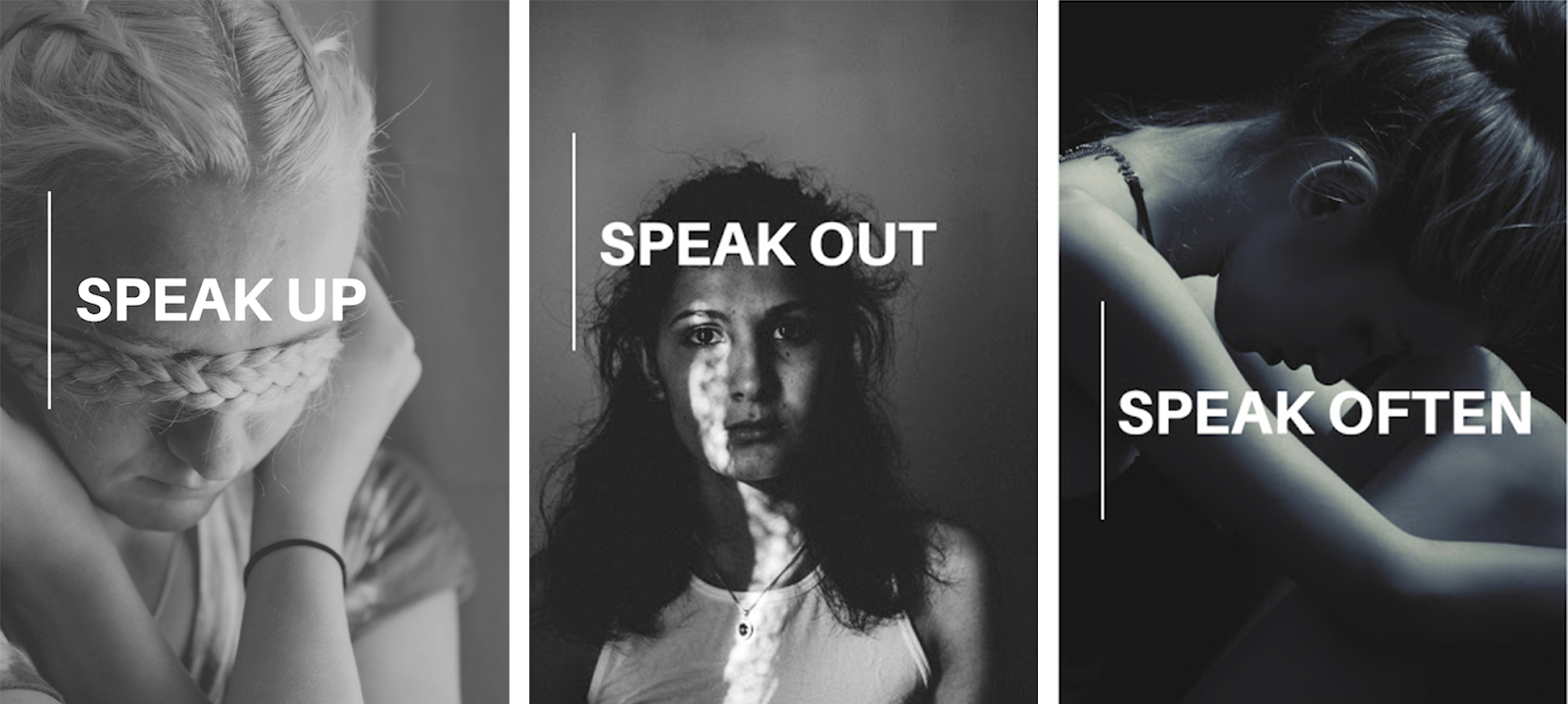
Working with community partners is demanding and the greatest successes from this assignment come when clients challenge students’ ideas. For instance, one team used emotional appeals to create two-word messages for their client, the Virginia Sexual and Domestic Violence Action Alliance (Figure 1). After the students shared their messages, the client stated they prefer messages that communicate hope rather than despair. The students welcomed this feedback and they changed their message strategies moving forward (Figure 2).
Figure 1: Initial two-word messages created by students for Virginia Sexual and Domestic Violence Action Alliance
Figure 2: Modified message strategy based on client feedback
Petty, R. E., & Cacioppo, J. T. (1986). Communication and persuasion: Central and peripheral routes to attitude change. New York, NY: Springer Publishing.
APPENDIX A
Assignment Description
Design a series of three messages that each contain only two words. These messages should aim to exemplify your client’s mission and communicate their visual identity.
Step 1: Write down the client’s mission statement and underline all words that you deem important, powerful, and action-oriented. List associated words and phrases using the word storm technique (Kolowich, 2019).
Step 2: Determine which word combinations you plan to use in your messages.
Step 3: Choose photos from the client’s website or select royalty free images from https://unsplash.com.
Step 4: Create a Photoshop template with a consistent font (typeface, color, size) and photo filter. Remember to use the transformation controls to avoid distorting your pictures when placing them in the template.
Step 5: Export your messages to your Google Drive as .png and .psd files.
Step 6: Upload the .png files to the shared Google Slide for presentation.
Step 7: Designate one member of your group to present your messages to the client.
Step 8: Take note of the client’s feedback and, if necessary, revise the messages by next class.
Student Learning Goals
Enhance your teamwork and client communication skills in a fast-paced, deadline-driven environment
Demonstrate your ability to use Adobe Photoshop to create digital content
Recognize the importance of consistency in expressing your client’s visual identity
Assessment
The client and I will give you feedback based on the following questions:
Do these messages clearly communicate the client’s mission?
Is the visual design aesthetically pleasing, professional, and consistent between messages?
Does the team clearly communicate their campaign ideas to the client?
Class Time Allocation
Timing
50-minute class
75-minute class
Introduction lesson
5 minutes
15 minutes
Content creation
30 minutes
45 minutes
Presentations
15 minutes
15 minutes
Equipment
Students can use Canva as a substitute for Photoshop if the class is taught in a room without access to Adobe Photoshop.
APPENDIX B
Student Examples
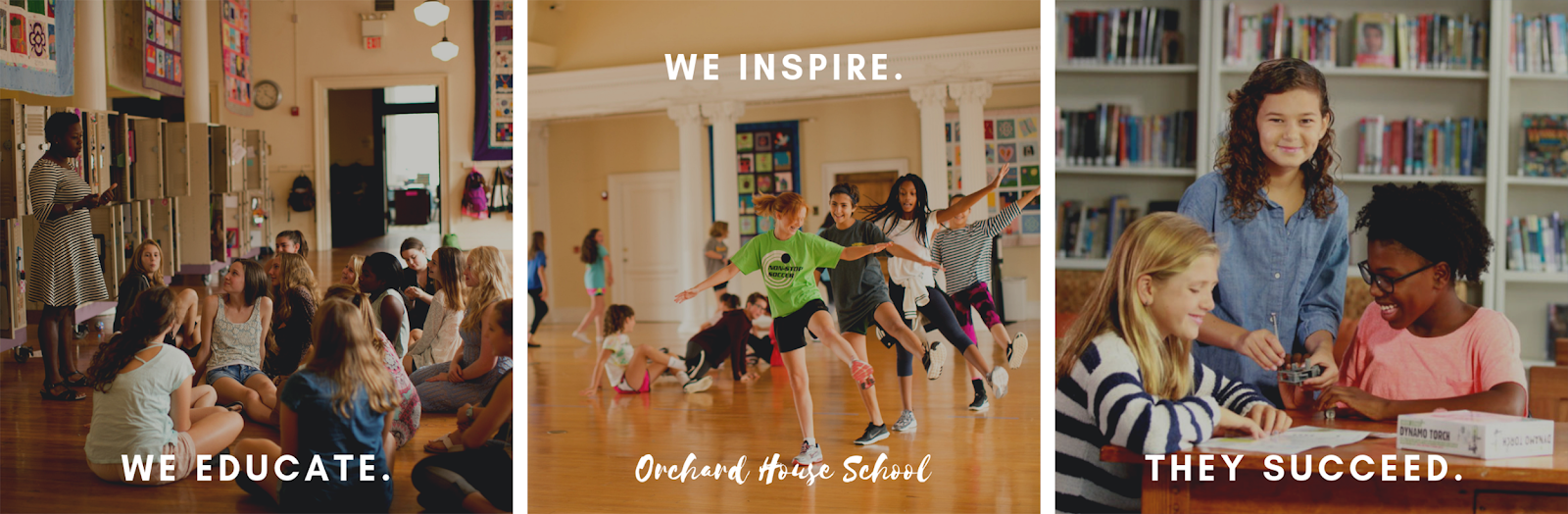
Client: Orchard House School
Mission: Orchard House School educates and inspires middle school girls in a responsive, academically engaging community that fosters each girl’s intellectual curiosity, social responsibility, emotional integrity, and physical well-being.
Figure 3: Example messages for the Orchard House School
Client: Backyard Harvest
Mission: Backyard Harvest works in partnership with our community to connect those with extra fresh produce and those who need it most.
Figure 4: Example messages for Backyard Harvest
Client: Kade & Vos
Mission: At Kade & Vos, we actively participate in advocacy for equality and inclusive sizing in the fashion industry.Women of all sizes deserve a comfortable, luxurious, versatile, and sustainable cotton underwear that they can wear all day every day, no matter their size.
Editorial Record: Original draft submitted to JPRE September 5, 2018. Revision submitted February 8, 2019. Manuscript accepted for publication May 6, 2019. First published online August 17, 2019.
Authors
Nancy
Muturi, Kansas State University
Ge Zhu, University of Iowa
Abstract
This study examined students’ perceptions of race/ethnic issues in public relations practice and how they are influenced by students’ level of diversity exposure. Data were gathered from students enrolled in mass communication courses (N = 417) at a Midwestern university, and PR and non-PR students were compared. Participants reported moderate diversity exposure and their level of knowledge about the public relations practice influenced how they perceived racial/ethnicity issues in the profession. Their perceived knowledge was also associated with diversity exposure and so was the number of mass communication courses taken. Public relations students were slightly more exposed to diversity compared to others and were less likely to agree with the negative perceptions of diversity issues in the field.
Keywords: diversity, ethnicity, race, public relations practice, public relations education
Students’ Perceptions of Diversity Issues in Public Relations Practice
Diversity and inclusiveness have increasingly become topics of interest in
public relations education, research, and practice as the racial and ethnic
makeup of the United States population becomes more diverse. Ethnic minorities
account for about one-third of the U.S. population and are estimated to comprise
more than half of the population by 2050 (U.S. Census Bureau, 2010). It is also
estimated that about 43% of Millennials are people of color, and by 2020, most
of the U.S. population under 18 years will be diverse (Elsasser, 2018). Rapidly
growing ethnic diversity has prompted U.S. organizations, including academic
institutions, to incorporate diversity and inclusion into the workplace
(Brunner, 2005; Fiske, Ross, & Keenan, 2016; Qiu & Muturi, 2016). This
is with the recognition of the contributions of a diverse workforce to the
organization’s productivity, competitiveness, responsibility, and overall
success (Mundy, 2015; O’Dwyer, 2018).
Embracing diversity reflects how organizations value diverse groups in
societies that they serve and the importance they attach to them in their work
(Edwards, 2011). Many businesses have
embraced diversity and multiculturalism to tap into fast-growing markets while
acknowledging that diverse viewpoints promote innovation and creativity, which
can improve organizational effectiveness (Brown, White, & Waymer, 2011).
International corporations like Apple, Coca-Cola, AT&T, Facebook, and Nike,
just to name a few, have published statements that recognize their value for
diversity and inclusiveness (Mundy, 2015). As Mark Parker, CEO and president of
Nike, stated, the company values the “unique background and experiences
everyone brings and want[s] all [employees] to realize their fullest
potential…because different perspectives can fuel the best ideas” (Nike, 2018,
para. 1). Other organizations have invested extensively in diversity and
inclusion. For instance, in 2015, Google announced a $150 million investment in
diversity and inclusion (Mundy, 2015). Academic institutions in the U.S. have
also taken a lead in embracing diversity through development and implementation
of diversity plans, many of which are publicly accessible online with a simple
search.
With a diverse environment comes an urgent need for organizations, both
public and private, to adjust the way they communicate to relate to all
stakeholders effectively and efficiently. Judith Harrison, a senior vice
president of diversity and inclusion at Weber Shandwick, reaffirmed this
urgency in a presentation at the Public Relations Society of America (PRSA)
General Session, noting that “if we are going to communicate with the rapidly
changing world of stakeholders in ways that are authentic, resonant and
relevant, it is imperative that we treat ramping up diversity in our industry
as an urgent, hair-on-fire emergency” (Elsasser, 2018, p. 14).
According to the Commission on Public Relations Education (CPRE, 2015) diversity in the workforce starts at college campuses, where students learn about other cultures and how to work effectively with those different from them. In the 2016/2017 CPRE report, the diversity team noted, “In order to see [diversity and inclusion] within the public relations industry flourish, change must begin at the academic level through a more diverse student and educator base” (Mundy, Lewton, Hicks, & Neptune, 2018, p. 139). Similarly, Brown, Waymer, and Zhou (2019) have noted that “diversity must start at the classroom level for emerging scholars to embrace diversity at the professional level” (p. 19).
Routinely performing curriculum assessment to determine the level of exposure and integration of diverse content is part of the accreditation process in many academic institutions, such as documenting the number of speakers with diverse backgrounds, but limited empirical data exist on the extent to which that exposure to diversity influences students’ perspectives on diversity and inclusiveness in the world of work.
The goal of this
research, therefore, was three-fold: first, to understand how students perceive
issues associated with diversity in the public relations field, second, to determine if there are differences
between public relations and non-public relations students in their level of
exposure to diversity within their academic programs, and third, to examine if
that exposure played a role in their perceptions. Understanding students’
perceptions can help educators identify gaps in the curriculum and prepare
students for a diverse workforce. This study focuses only on cultural
diversity, which entails race and ethnicity (Sha, 2006), two of the elements
included in the Accrediting Council on Education in Journalism and Mass
Communications (ACEJMC) diversity requirements, but with the understanding that
diversity goes beyond these two elements. This study also contributes to the
existing literature on diversity issues in public relations and provides a
unique student perspective that can generate useful class discussions.
LITERATURE REVIEW
Although diversity has increasingly become part of organizations’ everyday
language and is addressed from various perspectives (Brunner, 2009), there has
been no singular conceptual definition, which makes some organizations view it
as a vague and amorphous concept when they attempt to adopt it (Austin, 2010).
Several definitions have emerged that range from viewing diversity simply as
the differences that exist among people, like race, ethnicity, and culture
(Pompper, 2004, 2005; Sha, 2006; Turk, 2006) to a more complex
multi-dimensional concept. PRSA’s definition includes differences in cultures,
disciplines, ideals, gender, disabilities, and sexual orientation in its
conceptualization of diversity (Fiske et al., 2016). To simplify it, Turk
(2006) suggested viewing diversity as having two dimensions: the primary
dimension entails unchangeable characteristics (e.g., age, sex, nationality,
race, and ethnicity), while the second dimension entails changeable ones (e.g.,
religion, geographics, marital status, and military service). Diversity has
also been defined in terms of minority versus majority, where minorities are defined
as a group of people who, because of their physical or cultural
characteristics, are singled out from the others in the society in which they
live for differential and unequal treatment (Austin, 2010; Gibbons, L. Grunig,
Toth, & Hon, 2001). In the past three decades, scholars have viewed
diversity within organizations as a public relations responsibility (Hon &
Brunner, 2000; Kern-Foxworth, 1989; L. Grunig, Toth, & Hon, 2000; Mundy,
2016). Mundy (2016) views this responsibility to include the development of
internal policies that support individuals professionally while responding to
the external cultural mandates from the communities that the organizations
serve. Such responsibility requires the integration of diversity in public
relations education and other forms of training for professionals to
effectively carry it out. As Ki and Khang (2008) have suggested, an education
that incorporates cultural diversity is likely to make students aware that
diversity can be a key element for improved public relations practice.
Diversity Issues in the Public Relations
Practice
Excellent public relations practice includes having diverse professionals
included in all roles so that decisions and communications can have varying
viewpoints (Bowen, 2009; J. Grunig & L. Grunig, 1992). As proponents of the
excellence model of public relations (e.g., Dozier, L. Grunig, & J. Grunig,
1995; J. Grunig & L. Grunig, 1992; Roper, 2005) have emphasized, diversity
is critical for the success of any organization, but this would require
sensitivity of diversity issues among those in decision-making positions.
However, as Mundy, et al. (2018) observe, it is the multicultural professionals
who are more likely to view the importance of recruiting employees with diverse
backgrounds compared to their white counterparts or those in management
positions.
Scholars have also continued to examine the
intersectionality of gender and race where few female minorities and those of
different sexual orientation venture into the public relations profession
(Brown et al., 2011; Mundy, 2015, 2016; Tindall, 2009; Tindall & Waters,
2012). Recent studies have also focused on men as the underrepresented gender
in the public relations field (Brown et al., 2019; Pompper & Jung, 2013),
although they earn more than women (Chitkara, 2018) and are more likely to get
promoted and to occupy management positions. What is missing in public
relations scholarship is studies about gay men (Tindall & Waters, 2012).
The industry has gradually acknowledged this gap and made some efforts, albeit
minimal, such as Fleishman-Hillard’s “Out Front” program, which targets LGBT
audiences (Tindall & Waters, 2017).
Issues related to cultural diversity in public relations education and
practice range from underrepresentation and the status of racial/ethnic
minorities to problems with career advancement and job satisfaction (e.g.,
Abeyta & Hackett, 2002; Elsasser, 2018; Ki & Khang, 2008; Pompper,
2004; Qiu & Muturi, 2016). Racial and ethnic underrepresentation in the
public relations profession has been on researchers’ radar for three decades
(e.g., Austin, 2010; Brown et al., 2019; Kern-Foxworth, Gandy, Hines, &
Miller, 1994; Len-Rios, 1998; Poindexter, Smith, & Heider, 2003; Pompper,
2004; Pompper & Jung, 2013). A survey by Business Planning and Research
International (BPRI, 2005) found only 17% of practitioners considered
themselves racial/ethnic minorities, although senior management felt the need
for improvement in recruiting and hiring minorities at all levels. More than a
decade later, only an estimated 19% of public relations professionals are non-white
(Elsasser, 2018), which indicates room for improvement, particularly in
providing access to management positions (Mundy, 2016).
Although the racial/ethnic makeup has gradually improved within
organizations, issues related to the promotion of racial/ethnic minorities,
especially women who rise to the senior management level, have consistently
emerged (Aldoory & Toth, 2002; Pompper, 2004, 2005; Simpson, 2018). CPRE
(2015) has observed that many racial/ethnic minorities fall out of public
relations from their organizations or the practice entirely somewhere between
earning a degree and staying long enough for promotion, which is about five
years. Several reasons that prevent them from rising to senior management level
include discrimination, limited opportunities for career advancement, being
overlooked or underappreciated, and only being assigned to minority-related
campaigns or public affairs projects (Brown et al., 2011; Pompper, 2004).
Cultural diversity in public relations education
has also been a major concern. Despite its popularity compared to other mass
communication areas (DiStaso, Stacks, & Botan, 2009), the public relations
discipline has not been equally attractive to racial/ethnic minorities both
among faculty and students (Brown et al., 2011). Part of this shortage has been
associated with the lack of role models, mentors for young professionals or
success stories about minorities in public relations (Maul, 2008; Qiu &
Muturi, 2016). Studies have indicated the importance of career role models and
noted cultural diversity at the senior level of management in the public
relations industry as critical not only for current and prospective students
but also for young professionals (Curtin & Gaither, 2006; Len-Rios, 1998;
Qiu & Muturi, 2016).
Although professional organizations have provided some guidelines on how
to diversify public relations education, there is a dearth of research that
empirically examines barriers associated with diversification from the
students’ perspectives, specifically the level of exposure to diversity as they
prepare to join the workforce. Mundy et al. (2018) suggested a focus on how
diversity and multicultural perspectives are taught in the classroom and a
commitment among educators to integrate diversity and inclusion-focused topics
in the curriculum.
Perceptions of Race/Ethnicity Issues in Public Relations
How society views certain races/ethnicities
reflects workplace perceptions and the nature of assignments given to them
within an organization. Pre-existing racial/ethnic perceptions and stereotypes
hinder hiring and progress in diversification. For example, all Hispanics are
presumed to speak Spanish (Abeyta & Hackett, 2002) and Asian practitioners
are seen as having a similar physical appearance—younger-looking, shorter,
unable to speak English, and introverted (Ki & Khang, 2008).
African-American stereotypes are associated with Black neighborhoods and with
the physical appearance of males, which are based on misconceptions and ideas
about male masculinity and sexuality (Tindall, 2009). The angry black woman and
the welfare-mother stereotype are also consistent in media portrayals (Lind,
2013) and may have a strong influence on hiring decisions.
With limited racial or ethnic diversity, the public relations field has been
a white-dominated profession where hiring culturally diverse professionals is
an anomaly (Brown et al., 2019; Pompper, 2004), which led Layton (1980) to
reference the field as the “last of the lily-white professions” (p. 64).
Agencies were historically uneasy about matching people of color with white
clients (Layton, 1980), an issue that has faced many organizations more than
two decades later, where minorities are commonly hired exclusively to
communicate to consumers or publics in their minority group or to fill quotas
(Brown et al., 2011; Pompper, 2004; Qiu & Muturi, 2016). Scholars have
referred to these as “show positions” for minorities with no real policy-making
input or development of their talent and careers (Diggs-Brown & Zaharna, 1995;
Tindall, 2009). This issue has contributed to job dissatisfaction and lack of
progress among racially/ethnically diverse public relations practitioners.
In a documentary about being Black in public relations, professionals
underscored the small number of racial/ethnic minorities and their everyday
challenges, which include the lack of opportunities within their organizations
to progress and advance their careers in the field, unlike their white
counterparts (Simpson, 2018). Likewise, African-American students expressed
discomfort about being assigned exclusively to campaigns aimed at their race,
noting that “one of the reasons they were attracted to public relations, in the
first place, was the potential for the variety of activities and they did not
want to be pigeonholed or locked into any certain type of work” (Brown et al.,
2011, p. 526).
Other challenges include discrimination and everyday racism, such as
racial insensitivity in the form of comments, behaviors, and actions from
colleagues and supervisors (Tindall, 2009). This implies that although hiring
is important, retention is critical, and programs should address the specific
needs of minority employees. Literature also suggests diversity-driven
initiatives should go beyond recruiting and hiring a diverse workforce by
focusing on determining ways to convey to stakeholders the benefits of a
diverse workforce and by better integrating diversity values into
organizational culture (Brunner, 2009; Mundy, 2015).
Public relations researchers have also identified gaps in the existing
literature on issues that continue to hinder minorities’ successes in the
field. For example, in a study on framing diversity, Austin (2010) found that
most studies focus primarily on Hispanic and Black populations, with only a limited
focus on Asian Americans, Native Americans, the LGBTQ communities, and almost
none on the Jewish community. Prior research has reported an absence of
Latinos, Asian Americans, and Native Americans, both as subjects of news and as
reporters (Poindexter et al., 2003). Overall, several gaps exist in the
literature concerning public relations employees who have a diverse
racial/ethnic, religious background, and/or physical ability.
Awareness and sensitivity to diversity-related issues in public relations
are important and necessary for change to occur. The profession emphasizes the
engagement of stakeholders and the critical role of research in understanding
how to best meet their needs while building relationships. Public relations
education is a step towards the necessary change in the profession, given that
students are tomorrow’s professionals. As one of the most promising majors for
communication that provides students with ample career opportunities (DiStaso
et al., 2009), public relations is an opportunity to sensitize students to
these issues with the anticipation that they play a role in the needed change
in the field.
Diversity Exposure in Public Relations
Education
Diversity and inclusiveness in public relations education are addressed
through recruiting a diverse faculty and student population and incorporating
diversity-related topics within the curriculum (Brown et al., 2019; Brunner,
2005; Turk, 2006). ACEJMC (2018), the
accrediting body of mass communication programs, has diversity as one of its
standards to enhance diversity within the curriculum. The standard requires
programs to develop diversity plans to address gender, race, ethnicity, and
sexual orientation; a curriculum that includes instructions on issues and
perspectives related to diverse cultures in a global society; and an
environment that is free of harassment and all forms of discrimination (ACEJMC,
2018). In achieving the curriculum requirements, ACEJMC recommends to either
organize a stand-alone course or incorporate diversity in an array of courses.
These requirements are set to help students understand how to communicate and
work effectively in a diverse workplace and to keep pace with the changing
demographics of the organization’s external environment (Turk, 2006).
Professional organizations have also played a key role in facilitating
diversity in public relations education by making recommendations and providing
resources to the academy for higher education to expose students to diversity
as they prepare to join the workforce. For example, ACEJMC (2018) requires
programs to develop curriculum and instruction that educate faculty and prepare
students with diversity and multicultural knowledge, values, and skills, and to
document their efforts to ensure representation of diverse races and
ethnicities among the faculty and student body. Additionally, CPRE has
developed curriculum guidelines that emphasize diversity and globalization
(Turk, 2006), while the PRSA Foundation has created a book titled Diverse Voices, which features diverse
professionals’ challenges and success stories to enable educators to
familiarize public relations students with racial/ethnicity issues in the field
(Elsasser, 2018). Scholars have also provided examples on how to integrate
diversity into the curriculum, such as in research designs and methodologies
that recognize diversity (Pompper, 2005) and using examples or choosing
textbooks that include minorities’ roles to make students aware of the
fundamental role of diversity in improving public relations (Ki & Khang,
2008). Exploring diversity in communication strategies (Curtin & Gaither,
2006) would also enhance the understanding of diversity and how to incorporate
it into public relations education and programming.
Recruitment and retention of diverse students and faculty are crucial in
diversity exposure within academia, although studies have continually raised
concerns about racial and ethnic disparities in public relations education
(e.g., Brunner, 2005; Fiske et al., 2016; Kern-Foxworth, 1989; Ki & Khang,
2008, Len-Rios, 1998; O’Dwyer, 2018; Tindall, 2009). As research has
demonstrated, a key reason for students to select a major is the influence from
interpersonal relationships with advisors, faculty, family, and friends, as
well as prestige and job value (Brown et al., 2011). Parents especially have an
influential role in a student’s career choice. For instance, Asian American
communities stress prestigious careers, such as law and medicine, while
discouraging their college-age children from seeking education in
service-oriented jobs such as public relations (Ki & Khang, 2008; Qiu &
Muturi, 2016). To enhance exposure, ACEJMC provided tips for the
diversification of academic programs, some of which involve leadership talking
about diversity regularly, forming diversity committees, aggressively
recruiting minority students in high schools, creating student chapters,
mentoring minority students, among other efforts (Ceppos, 2018).
Additional forms of exposure, which can be incorporated into the
curriculum, include observances of public and diversity holidays celebrated by
other cultures and populations. The PRSA Diversity and Inclusion toolkit lists
several diversity holidays celebrated by various cultures and populations, such
as Dr. Martin Luther King’s birthday in January, Black History Month in
February, Asian Pacific American Month in May, and Día de la Raza or Day of the
Race in October, among others (Fiske et al., 2016). As Edwards (2011) argues,
understanding diversity and experiencing it is important because public
relations produces discourses that help constitute and sustain the relative
positions of diverse groups in society, as well as in the profession itself.
There are, however, gaps in evidence-based information on the effect of that
experience on their perceptions of public relations and diversity-related
issues.
Research Questions
RQ1: Do
perceptions about race/ethnicity issues in public relations vary based on the
participants’ levels of diversity exposure?
RQ2: Does
perceived knowledge about the public relations practice influence students’
perceptions of race/ethnicity issues in the field?
RQ3: Is there an association between the level of
diversity exposure and the perceived knowledge about the public relations
profession?
RQ4: Does the number of mass communication courses taken
have any influence on (a) diversity exposure and (b) race/ethnicity perceptions
of public relations?
RQ5:
Is there any significant difference between public relations students and those
in other academic concentrations in (a) their perceptions of race/ethnicity
issues and (b) diversity exposure?
METHOD
This study is based on an online survey administered to college students at a large Midwestern university (N = 417). The mass communication program has three sequences—advertising, journalism, and public relations—with approximately 600 enrolled majors and minors. All students enrolled in mass communication courses in the spring semester received the survey, which included majors, minors, and those taking electives or cross-listed courses between mass communication and other disciplines. Following approval by the Institutional Review Board (IRB) for human subjects, the registrar’s office provided the list of students with email addresses only. Each participant received an email generated from the Qualtrics survey system requesting them to participate in the survey. As indicated in the informed consent form, participation was voluntary, and only those who consented could proceed with the survey. The system sent three reminders to those who had not completed the survey after three, six, and nine weeks, respectively.
Measures
The main variable in this study was the students’
perceptions of race/ethnicity issues in the public relations field. Other key
variables included diversity exposure, perceived knowledge of the public
relations profession, the number of courses taken in mass communication, and
whether they were in mass communication and the public relations sequence.
Demographic factors included age, gender, race/ethnicity, and year in college.
Perceptions of race/ethnicity issues in public relations were measured
with 11 items adapted from several studies (e.g., Brown et al., 2011; Ki &
Khang, 2008; Qiu & Muturi, 2016; Tindall, 2009). The items asked
participants to indicate their level of agreement with a list of statements
that scholars have addressed as race/ethnicity issues in the public relations
field. Statements included perceptions of public relations as a white-dominated
profession; racial/ethnic minorities being assigned only to technician roles
and racially/ethnically-based assignments; earning lower salaries; putting more
effort in for the same amount of achievement as their White counterparts, and
not making career progress due to their race/ethnicity. A 5-point Likert scale
of 1 (strongly disagree) to 5 (strongly agree) measured the items in the scale,
which also had a reliable internal consistency (Cronbach α = .82).
Diversity exposure is the opportunity to interact with and learn from or
about those with culturally diverse backgrounds in formal or informal settings.
The scale was developed from reviewed literature, specifically from the ACEJMC
diversity standards, PRSA recommendations, and several academic and
professional publications (e.g., ACEJMC, 2018; Brown, et al., 2011; Brunner,
2005; CPRE, 2015; Diggs-Brown & Zaharna, 1995; Edwards, 2011; Fiske et al.,
2016; Ki & Khang, 2008). The questions focused on various opportunities
where students can receive exposure to cultural diversity, such as enrolling in
stand-alone diversity courses; enrolling in other courses that address race and
ethnicity issues; completing assignments that require a diversity component;
working on class projects with members of other races/ethnicities; having
instructors or academic advisors with diverse backgrounds; or participating in
guest lectures, internships, or service-learning projects that involved some
diversity aspects. The items in this dichotomous variable were coded as 1 (yes)
and 0 (no) and summed to create one composite variable “diversity exposure”
with a possible total score of seven points (range of 0 to 7, M = 4.85, SD = 1.74; median = 5). The variable was then categorized as low
exposure (below 3 points), moderate exposure (3-5 points) and high exposure
(above 5 points).
Participants’ perceived knowledge about public relations practices was
measured by asking students how much they believed they were familiar with the
profession. Previous studies have indicated the lack of knowledge among
students, professionals, and personal influencers is a key deterrent in the
diversification of the public relations practice (Ki & Khang, 2008; Qiu
& Muturi, 2016). This was necessary because the survey was conducted among
all students enrolled in communication courses, some of whom were not in public
relations but may have learned or had perceptions about the field from other sources.
The one-item measure “How knowledgeable are you about public relations
practice?” had three options (1) “not knowledgeable at all,” (2) “mildly
knowledgeable,” and (3) “very knowledgeable.”
The survey was validated in multiple ways. First, face validity was
established through reading the questionnaire multiple times by the researcher
and research assistant to ensure that all questions were appropriately worded.
Second, the data were cleaned to remove incomplete cases and to label the
values appropriately based on the survey variables; also, negatively stated
questions were reverse-coded. Gathering data online eliminated human errors
that often occur in manual entry. This was followed by running study
descriptives (frequencies and means) to verify that the data were error free.
Finally, reliability analysis for the race/ethnicity perceptions was performed
to determine internal consistency with an acceptable Cronbach’s alpha of 0.70
(Taber, 2018).
Sample Characteristics
The sample was composed of 39% males (n
= 164) and 61% females (n = 253),
with an age range of 18 to 38 years. The sample was evenly distributed across
undergraduates with 22% freshmen (n =
93), 20% sophomores (n = 84), 26%
juniors (n = 109), and 27% seniors (n = 111). Only about 5% were graduate
students (n = 20). The sample was
predominantly Caucasian (82.5%), while ethnic minorities accounted for about
18% (n = 73). About 68% of
participants (n = 283) were in mass
communication. Another 134 students (32%) were from other disciplines but enrolled
in one or more mass communication courses. Among mass communication majors, 45%
(n = 127) were in public relations
and 55% were in other concentrations (advertising, journalism, or pre-majors).
About 228 students had taken fewer than three mass communication
courses, and 216 (52%) had taken a mass communication course that had addressed
diversity issues. Likewise, 290 students (70%) had taken a course outside of
the mass communication discipline that had a diversity component. Among those
who had taken fewer than three courses (n
= 228), only 29% (n = 67) indicated a
high diversity exposure. The majority of them (n = 129) were moderately exposed to diversity issues (3-5 points),
while 32 students (14%) had limited exposure to diversity (< 3 points).
Overall, public relations students had slightly more exposure to diversity (M = 5.13, SD = 1.58) compared to others in the mass communication field (M = 4.73, SD = 1.79). About 49% (n
= 62) had moderate exposure, while 46% (n
= 58) reported high exposure to diversity, and only 7 public relations students
(6%) reported low exposure compared to 31 (11%) non-public relations student in
that category.
RESULTS
The first research question (RQ1) examined if the students’ levels of
diversity exposure affected their perceptions of race/ethnicity issues in
public relations. Overall, students had low perceptions of racial/ethnicity
issues in public relations (M = 2.31,
SD = .724), which means they did not
agree with the statements that reflected diversity issues in the field. Results
show that diversity exposure was not a significant predictor of students’
perceptions of race/ethnicity issues (β = -.007, t =-.152, p > .05).
This means there was no relationship between students’ perceptions about
race/ethnicity issues in the field and their exposure to diversity. Those who
were more exposed to diversity in various forms were not more likely to be
aware or concerned about race/ethnicity-related issues in the public relations
profession.
The second research question (RQ2) examined if participants’ perceived
knowledge about the public relations profession had any influence on their
perception of race/ethnicity issues in the field. The majority (73%) of the
students reported being mildly knowledgeable about public relations practices (n = 305), 14% indicated being very
knowledgeable (n = 57), while (13%)
were not knowledgeable at all (n =
55). A one-way analysis of variance (ANOVA) was performed, and the results
showed that their perceived knowledge about the profession significantly
influenced how they perceived race/ethnicity issues in the field (F (2, 414) = 4.077, p < .05). A Bonferroni post-hoc analysis showed significant
differences between those who perceived themselves as very knowledgeable and
those who were not at all knowledgeable about the public relations profession (p < .05), but no other differences
were observed.
The third research question (RQ3) examined the association between students’ perceived knowledge of public relations practice and the level of diversity exposure. Pearson’s Chi-Square analysis showed a significant association (χ2 = 15.009, df = 4, p < .05). Those who perceived themselves as very knowledgeable about public relations (54%) were more exposed to diversity issues, whereas the majority of those who were mildly knowledgeable indicated low diversity exposure (63%).
The fourth research question (RQ4) focused on the number of mass communication courses taken by the time of the survey and how it affected students’ diversity exposure and their perceptions of ethnicity issues in public relations. Results from a one-way ANOVA show that the number of courses taken in mass communication also influenced diversity exposure [F (3, 413) = 11.069, p < .001]. A Bonferroni post-hoc analysis showed variation in diversity exposure among those who had taken one or two mass communication courses and all other groups. Similarly, there was variation in the perceptions of race/ethnicity issues in public relations based on the number of courses taken in the discipline [F (3, 413) = 2.960, p < .05]. A post-hoc analysis also showed specific differences in ethnicity perceptions between those who had taken one or two courses and those who had taken three or four courses (p < .05).
The final
research question (RQ5) examined if public relations students’ perceptions of
ethnicity issues in the field and their exposure to diversity differed from all
the other students. T-test analyses indicated a significant difference between
those who were in public relations (n
= 127) and other participants (n =
290) in their perceptions of race/ethnicity issues in public relations (t = -4.755, df = 291, p < .001).
Participants in the public relations concentration were less in agreement with
the statements on race/ethnicity perceptions (M = 2.08, SD = .610)
compared to other students (M = 2.41,
SD = .748), with a moderate effect
size (Cohen’s d = .49). There was
also a significant difference between diversity exposure between public
relations students and others (t =
2.318, df = 270, p < .05). Those who are in public relations reported more
exposure to diversity (M = 5.13, SD = 1.58) compared to others (M = 4.73, SD = 1.79) but with a relatively small effect size (Cohen’s d = .24).
DISCUSSION
Most of the literature has explored diversity issues in public relations
from a professional’s perspective, specifically on the underrepresentation of
racial/ethnic minorities, their experiences, and challenges for succeeding in
the field. Extant literature has also focused on the need for diversity in
public relations education, from recruitment and retention to curriculum
adjustments to incorporate diversity-related content and experiences for
students as they prepare for a diverse workforce. The current study focused on
students’ perspectives to understand how they perceive race/ethnicity issues in
the public relations field and the extent of their exposure to diversity, which
is important in determining gaps in the curriculum and other forms of diversity
exposure. As one of the most popular mass communication disciplines (DiStaso et
al., 2009), public relations attracts students from a variety of academic
backgrounds (e.g., agriculture, marketing, fashion and design, tourism, public
health), given its relevance and applicability across disciplines. Although
they are likely to be exposed to diversity from other disciplines, it is
equally important for them to understand the critical role it plays and the
diversity-related issues in the public relations field prior to joining the
workforce.
Despite the emphasis on diversity in the field,
results from the current study did not find diversity exposure to significantly
influence how students perceived race/ethnicity issues in public relations.
Overall, students had moderate exposure to diversity and a low level of
perceptions about race/ethnicity-related issues in public relations practice.
This is possibly due to the lack of focus on discipline-specific diversity
issues in the courses taken or informally through participation in
diversity-related events and activities during their academic career. The
current study found about 48% of all participants had not taken a mass
communication course that focused on diversity, 35% had not participated in
multicultural or diversity-related events, and about 28% had not worked an
internship or other projects outside of class that included people with diverse
backgrounds, all missed opportunities for experiencing diversity.
There was an association between the number of courses taken in mass
communication and students’ perceived knowledge about public relations
practice. Previous research has associated the lack of knowledge about public
relations with misconceptions about the profession (Bowen, 2009). As current
results have shown, public relations students were more knowledgeable about the
practice, as expected, and more exposed to diversity-related issues. They were
also more likely to learn about the profession, including diversity-related
topics. About 64% of public relations students had taken a course where the
instructor addressed some aspect of diversity. They were also likely to learn
about diversity issues through interacting with professionals and guest
speakers, as well as participating in student activities and clubs, including
Public Relations Student Society of America (PRSSA) and internship programs
that are likely to expose them to diversity issues.
Implications
This study has several implications for public relations education and,
consequently, practices. First, there is a need to expose students to
discipline-related diversity, focusing more on various elements organizations
face in the diversification of the profession. Although institutions have made
efforts to diversify through offering diversity-related courses, recruitment,
and retention of culturally diverse students and faculty, it is also important
not only to sensitize students about cultural diversity issues but also
challenge them to develop workable solutions and strategies that they may apply
once they join the workforce.
Second, diversity is a broad term with multiple meanings, and public
relations education could focus on various aspects in a separate class to
provide a clear understanding of various issues in the field. For instance, in
addition to introducing a stand-alone course on diversity, which ACEJMC (2018)
recommends, it is important to introduce discipline-related content at various
academic levels and to focus on different aspects (race, gender, ethnicity,
sexual orientation, disability and so on), so students are more sensitized
throughout their curriculum. For example, CPRE recommends an ethics course for
public relations programs (Bortree, Bowen, Silverman, & Sriramesh, 2018)
and building a discipline-specific diversity unit into that course and other
required courses would enhance exposure and understanding of how to ethically
work with a diverse population.
Third, recruiting students from diverse backgrounds, retaining students,
providing academic and career mentoring, and creating supportive environments
where they can thrive would enhance diversity in public relations education.
However, addressing diversity within the curriculum is not a walk-in-the-park
for all instructors. To some, it can be a rather sensitive issue that requires
a concerted effort and skill to incorporate effectively into existing
curricula. This implies the need for policies and resources to support
diversification not only at the institutional level but also within specific
units to support faculty to develop skills for a diversity-focused education.
In addition to using textbooks and other professional materials as
recommended in previous research (Ki & Khang, 2008), it is important to
also provide opportunities for professionals from diverse backgrounds to contribute
to public relations education within and outside the curriculum. With
institutional support, this may take the form of guest speakers, job shadowing,
career mentoring programs, internships, and getting involved in student clubs
(e.g., PRSSA) and other organizations that attract a diverse group of students,
all of which are likely to enhance students’ understanding of diversity while
sensitizing them to discipline-specific issues.
Limitations
This study had a
few limitations that need to be taken into consideration in future studies.
First, it was conducted in one school and, therefore, not generalizable to
other public relations programs nationally. Second, the make-up of respondents
who were predominantly Caucasian also affects generalizability. However, as
CPRE (2015) indicated, ethnic and racial diversity is an issue on some campuses
but not all, and a one-size-fits-all approach will not work. It is, therefore,
important to examine different situations from each institution or similar
institutions, especially in developing policies and strategies that apply to
each situation. Furthermore, the study may have issues of external validity due
to self-reporting, although reliable internal consistency was attained in all
scales (α > .70). The study also relied only on associations and, therefore,
cannot assume any causal linkages. Despite these limitations, the study
provides insights that may be useful in curriculum revisions as mass communication
programs seek to incorporate diversity much better to meet accreditation
requirements while preparing students for successful careers in a diverse
workforce.
CONCLUSION
The need for
organizations to cater to diverse publics becomes more evident as the U.S.
population continues to diversify, and academic programs play a key role in
meeting that need. With an emphasis on diversity, communication and public
relations programs focus on strategies to reach and build strong relationships
with a diverse customer more effectively. A lack of diversity within an
organization and among key stakeholders may, therefore, be viewed as a public
relations problem and may demonstrate gaps in training for public relations
professionals.
Understanding and
incorporating diversity within organizations is one of the key principles of
excellence in public relations practice (Dozier et al., 1995; J. Grunig &
L. Grunig, 1992). Excellence, however,
can only occur when practitioners are well prepared to address all the
necessary aspects, and diversity plays a significant role in creating it. This
starts with understanding the existing gaps and addressing them using a
multi-dimensional approach––research, education, and practice. The current
study examined the issue from students’ perspectives to provide insights for
public relations education.
Further research
to validate the survey used in the current study in different diversity
contexts (cultural, geographical, socioeconomic), replicate it in racially
diverse institutions, or conduct a comparative study in institutions across the
country could provide useful insights for public relations education.
Additionally, research that places focus on other aspects of diversity and
different stakeholders is recommended. For instance, investigations into public
relations managers’ perceptions of diversity and the challenges they face in
diversifying the workplace would be a valuable contribution. Given that
diversifying the workforce is viewed as a public relations responsibility, it
would be important to examine how employers view diversity, their likelihood of
supporting it, and the role of public relations within organizations.
From an education perspective, mass communication faculty play a vital role in influencing perceptions about the public relations field. Understanding their perspectives about diversity in the discipline and how they incorporate it into their courses and the overall curriculum is an area that requires research. Other areas of diversity that require more empirical studies include ageism, classism, disability, sexual orientation, and other socio-cultural and ideological differences in public relations practice. As programs strive towards diversity as part of excellence in public relations, it is important to document success in diversification, such as job satisfaction, empowerment efforts, and the potential for career progression in the practice among ethnic minorities and other diverse groups.
Aldoory, L., & Toth, E. (2002). Gender discrepancies in a gendered profession: A developing theory for public relations. Journal of Public Relations Research, 14(2), 103-126. Retrieved from https://doi.org/10.1207/S1532754XJPRR1402_2
Austin, L. L. (2010). Framing diversity: A qualitative content analysis of public relations industry publications. Public Relations Review, 36(3), 298-301. Retrieved from https://doi.org/10.1016/j.pubrev.2010.04.008
Bowen, S. A. (2009). All glamour, no substance? How public relations majors and potential majors in an exemplary program view the industry and function. Public Relations Review, 35(4), 402-410. Retrieved from https://doi.org/10.1016/j.pubrev.2009.05.018
Bortree,
D., Bowen, S., Silverman, D., & Sriramesh, K. (2018). Ethics: The
distinctive commitment that defines public relations as a respected profession.
In E. L. Toth & K. Lewton (Eds.),
Commission on Public Relations Education 2017 report on undergraduate education
(p. 65-70). Retrieved from http://www.commissionpred.org/wp-content/uploads/2018/04/report6-full.pdf
Brown, K. A., White, C., & Waymer, D. (2011). African-American students’ perceptions of public relations education and practice: Implications for minority recruitment. Public Relations Review, 37(5), 522-529. Retrieved from https://doi.org/10.1016/j.pubrev.2011.09.017
Brunner, B. R. (2009). Defining public relations relationships and diversity’s part in the process: Practitioners’ perspectives. Journal of Promotion Management, 14(3-4), 153-167. Retrieved from https://doi.org/10.1080/10496490802623820
Curtin, P. A., & Gaither, T. K. (2006). Contested notions of issue identity in international public relations: A case study. Journal of Public Relations Research, 18(1), 67-89. Retrieved from https://doi.org/10.1207/s1532754xjprr1801_4
Diggs-Brown, B., & Zaharna, R. S. (1995). Ethnic diversity in the public relations industry. The Howard Journal of Communications, 6, 114-123. Retrieved from https://doi.org/10.1080/10646179509361688
DiStaso, M. W., Stacks, D. W., & Botan, C. H. (2009). State of public relations education in the United States: 2006 report on a national survey of executives and academics. Public Relations Review, 35(3), 254-269. Retrieved from https://doi.org/10.1016/j.pubrev.2009.03.006
Dozier,
D. M., Grunig, L. A., & Grunig, J. E. (1995). Manager’s guide to excellence in public relations and communication
management. Mahwah, NJ: Erlbaum.
Edwards,
L. (2011). Diversity in public relations. In L. Edwards, & C. E. Hodges
(Eds.), Public relations, society &
culture: Theoretical and empirical explorations (pp. 87-101). New York, NY:
Routledge.
Fiske,
R. M., Ross, B., & Keenan, H. (2016). Diversity
and inclusion toolkit: Documents and materials to help chapters, districts, and
sections develop diversity and inclusion within their organizations. PRSA.
Retrieved from https://www.prsa.org/diversity/diversity-tool-kit/
Grunig,
J. E., & Grunig, L. A. (1992). Models of public relations and
communication. In J.E. Grunig (Ed.), Excellence
in public relations and communication management (pp. 285-326). Hillsdale,
NJ: Erlbaum.
Grunig, L. A., Toth, E. L., & Hon, L. C. (2000). Feminist values in public relations. Journal of Public Relations Research, 12(1), 49-68. Retreived from https://doi.org/10.1207/S1532754XJPRR1201_4
Gibbons, S. J., Grunig, L. A., Toth, E. L., & Hon, L. C. (2001). Women in public relations: How gender influences practice. Public Relations Review, 27(3), 369-369. Retrieved from https://doi.org/10.1016/S0363-8111(01)00093-5
Hon, L. C., & Brunner, B. (2000). Diversity issues and public relations. Journal of Public Relations Research, 12(4), 309–340. Retrieved from https://doi.org/10.1207/S1532754XJPRR1204_2
Kern-Foxworth, M., Gandy, O., Hines, B., & Miller, D. A. (1994). Assessing the managerial roles of black female public relations practitioners using individual and organizational discriminants. Journal of Black Studies, 24, 416-434. Retrieved from https://doi.org/10.1177/002193479402400404
Mundy, D. E. (2015). Diversity 2.0: How the public relations function can take the lead in a new generation of diversity and inclusion (D&I) initiatives. Research Journal of the Institute for Public Relations, 2(2), 1-35. Retrieved from https://www.instituteforpr.org/wp-content/uploads/2nd-gen-diversity-2.pdf
Mundy, D. E. (2016). Bridging the divide: A multidisciplinary analysis of diversity research and the implications for public relations. Research Journal of the Institute for Public Relations, 3(1), 1-28. Retrieved from https://instituteforpr.org/wp-content/uploads/Dean-Mundy-1.pdf
Mundy,
D., Lewton, K., Hicks, A., & Neptune, T. (2018). Diversity: An imperative
commitment for educators and practitioners. In E. L. Toth & K. Lewton
(Eds.), Commission on Public Relations
Education 2017 report on undergraduate education (139-148). Retrieved from http://www.commissionpred.org/wp-content/uploads/2018/04/report6-full.pdf
Poindexter, P. M., Smith, L., & Heider, D. (2003). Race and ethnicity in local television news: Framing, story assignments, and source selections. Journal of Broadcasting and Electronic Media, 47, 524-536. Retrieved from https://doi.org/10.1207/s15506878jobem4704_3
Pompper, D. (2004). Linking ethnic diversity and two-way symmetry: Modeling female African American practitioners’ roles. Journal of Public Relations Research, 16(3), 269-299. Retrieved from https://doi.org/10.1080/1532-754X.2004.11925130
Pompper, D. (2005). Multiculturalism in the public relations curriculum: Female African American practitioners’ perceptions of effects. The Howard Journal of Communications, 16(4), 295-316. Retrieved from https://doi.org/10.1080/10646170500326582
Pompper, D., & Jung, T. (2013). “Outnumbered yet still on top, but for how long?” Theorizing about men working in the feminized field of public relations. Public Relations Review, 39, 497-506. Retrieved from https://doi.org/10.1016/j.pubrev.2013.08.007
Qiu, J. & Muturi, N. (2016). Asian American public relations practitioners’ perspectives on diversity. The Howard Journal of Communications, 27(3), 236-249. Retrieved from https://doi.org/10.1080/10646175.2016.1172527
Roper, J. (2005). Symmetrical communication: Excellent public relations or a strategy of hegemony? Public Relations Review, 17, 69–86. Retrieved from https://doi.org/10.1207/s1532754xjprr1701_6
Sha, B. L. (2006). Cultural identity in the segmentation of publics: An emerging theory of intercultural public relations. Journal of Public Relations Research, 18(1), 45-65. Retrieved from https://doi.org/10.1207/s1532754xjprr1801_3
Taber, K. S. (2018). The use of Cronbach’s alpha when developing and reporting research instruments in science education. Research in Science Education, 48(6), 1273-1296. Retrieved from https://doi.org/10.1007/s11165-016-9602-2
Tindall, N. T. (2009). In search of career satisfaction: African-American public relations practitioners, pigeonholing, and the workplace. Public Relations Review, 35(4), 443-445. Retrieved from https://doi.org/10.1016/j.pubrev.2009.06.007
Tindall, N. T., & Waters, R. D. (2012). Coming out to tell our stories: Using queer theory to understand the career experiences of gay men in public relations. Journal of Public Relations Research, 24(5), 451-475. Retrieved from https://doi.org/10.1080/1062726X.2012.723279
Tindall, N. T., & Waters, R. D. (2017). Does gender and professional experience influence students’ perceptions of professors? Journalism & Mass Communication Educator, 72(1), 52-67. Retrieved from https://doi.org/10.1177/1077695815613932
Editorial Record: Original draft submitted on November 22, 2017. Accepted July 29, 2018. Final edits completed January 19, 2019. First published online January 31, 2019.
This study was funded by the Plank Center for Leadership in Public Relations, but the Center did not have a role in the research process.
Authors
Kenon A. Brown, University of AlabamaDamion Waymer, North Carolina A&T UniversityZiyuan Zhou, University of Alabama
Abstract
The current study contributes to the public relations scholarly literature that addresses issues related to the diversity pipeline into the public relations profession. Specifically, the authors seek to determine if public relations students believe that race and gender affected their educational experiences and social development during their collegiate careers. The findings suggest that both race and gender appear to play a significant role in students’ undergraduate public relations experiences, with White respondents and female respondents expressing more positive experiences educationally and socially than underrepresented racial and ethnic persons (UREP) and male counterparts, respectively. Practical recommendations for recruiting and retaining underrepresented students within the major are provided based on the findings.
Keywords: diversity, public relations professional pipeline, race, gender, public relations education
Racial and Gender-Based Differences
in the Collegiate Development of Public Relations Majors: Implications for
Underrepresented Recruitment and Retention
More than a decade ago, the Public Relations Coalition, an alliance of 23 industry-related organizations, conducted its first diversity benchmark survey. That survey of senior communication managers revealed that the industry needs improvements in recruiting and retaining women and underrepresented racial and ethnic persons (UREPs) (Grupp, 2006). In the early part of this decade, public relations leaders listed diversity recruitment and top-talent employee acquisition as their top priorities (Berger, 2012), and nearly a decade later, Fortune magazine senior editor Ellen McGirt (2018) is trying to answer the same question: Why is public relations so white? Contemporary public relations practitioners see the advantages of creating a diverse workforce, and as such, these leaders have lamented the lack of diversity and have prioritized diversity in public relations (O’Dwyer, 2018). However, progress in the area of increasing the number of underrepresented racial and ethnic persons (UREPs)[1] working in the profession of public relations has been slow—despite the fact that agencies have attempted to build a pipeline of diverse practitioners. Some would argue that the issue begins in college (underrepresentation in the student body), only to be magnified in practice (see Brown, Waymer, Fears, Baker, & Zhou, 2016; Brown, White, & Waymer, 2011).
With this position in mind, the authors designed this study to examine the collegiate experience of public relations students from an educational and social perspective to uncover any differences students might experience based on their race or gender. The study helps identify areas of need, concern, and opportunity that could improve the academic, professional, and social development of members from underrepresented groups. Such an effort could potentially increase the chances of members from the underrepresented groups entering the profession and advancing to management positions. The authors hope that this study’s findings help facilitate more underrepresented practitioners entering the field of public relations by honing in on recruiting and retaining these groups into the undergraduate major.
LITERATURE REVIEW
The Impact of Racial Diversity in Public Relations
While
racial diversity recruitment and retention efforts seem well-intentioned,
finding examples of ways that the industry has put into practice measurable
objectives for increasing UREPs is far more challenging. As indicated
previously, the majority of senior communications managers articulated that the
industry needs improvement in UREP representation at all levels (Berger, 2012;
McGirt, 2018; O’Dwyer, 2018). In fact, the some board members of the LAGRANT
Foundation, a nonprofit established (in part) to increase the number of UREPs
in the fields of advertising, public relations, and marketing, highlight their
frustration with the current state of affairs stating that the lack of diversity
is “completely intolerable” (Vallee-Smith, 2014, p. 3).
Despite
the fact that the people representing these UREP groups constitute around 36%
of more than 300 million people in the United States (U.S. Census Bureau,
2011), the number of people in public relations from these underrepresented
groups falls considerably short of reflecting demographics of the general
population. For example, a 2010 census of the Public Relations Society of
America’s (PRSA) 22,000 professional members showed that only 14% of the
organization’s membership self-identified as Hispanic, Black, and/or
Asian/Asian American (Nguyen, 2015). The aforementioned 14% statistic
represents a 100% increase (doubling) of the percentage of PRSA members from
underrepresented groups since 2005 Nguyen, 2015). In short, racial representation in the public
relations industry remains skewed; the Harvard
Business Review recently reported that the racial/ethnic composition of the
public relations industry in the United States is 87.9% white, 8.3% African
American, 2.6% Asian American, and 5.7% Hispanic American (Chitkara, 2018).
In
sum, the profession of public relations continues to be a “lily-white” field of
women (Vardeman-Winter & Place, 2017). This can be deemed a problem of the
profession for various reasons. First, research shows that some
underrepresented publics, Latinx populations, during times of risk or crisis
(e.g., hurricanes, chemical plant explosions, acts of terror), prefer to hear
such news from people similar to them (Heath, Lee, & Ni, 2009). Therefore,
a practitioner’s diversity might be the difference in underrepresented publics
receiving and accepting vital safety alerts and messages intended for them in
times of risk and crisis. Second, practitioners’ social-cultural identities
likely affect how they perform as public relations practitioners and the
messages they create for vast groups of people (Curtin & Gaither, 2007;
Vardeman-Winter & Place, 2017; Waymer, 2012b), so it is imperative that
organizations continue to prioritize a diverse public relations workforce and
make it a visible, high-level, organizational objective. To address these
diversity issues, it is equally important that the public relations industry,
like other professions, such as engineering, intentionally work with K-12 and
higher education institutions to increase diversity in schools in hopes of
increasing racial and ethnic diversity in the profession (Waymer & Brown,
2018).
Diversity in Public Relations: The Underrepresentation of
Men in the Profession and Classroom
While women attend college more overall than men at rates of about 57% to 43% respectively (Kena et al., 2015), an even greater gap exists when comparing the percentage of women and men majoring in the communication subspecialty of public relations. Reports have indicated that for more than two decades there are more women than men pursuing a public relations major—whereby women constitute more than 80% of the students in many PR programs (Bardaro, 2009; Daughtery, 2014); the gap is even greater for the public relations profession with a difference of 85% to 15%, women to men respectively (see Khazan, 2014; Sebastian, 2011). Yet, when considering the imbalance in the distribution of men and the positions they hold in the profession, a paradoxical state becomes apparent. Men dominate top spots, while women are clustered at the bottom (see Pompper & Jung, 2013; Yaxley, 2012). Furthermore, men in the field continue to earn about $6,000 more than women (even when tenure, job type, education, field of study, location, and ethnicity are held constant) (Chitkara, 2018). Indeed, despite their underrepresentation in the field of public relations, men still represent 80% of upper management positions (Sebastian, 2011) and earn more money.
Scholars argue that the paradox of men constituting the numerical minority in the profession of public relations yet holding the majority of power positions in the industry can be explained by (mis)perceptions (Choi & Hon, 2002; Grunig, Toth, & Hon, 2001). Men are perceived as being more apt to self-promote, to be assertive, and to network with other power players, compared to women who are perceived to be more suited for micro-managing duties, efficiency, and sensitivity (Grunig, Toth, & Hon, 2001). These misconceptions have dire consequences as Dozier, Sha, and Shen (2013) found that participation in management decision-making was a key factor contributing to pay inequity between women and men in public relations. Despite these prevailing misconceptions and pay disparity, women are making strides in the profession and experiencing positive change in opportunities for senior-level advancement. For example, “Barri Rafferty of Ketchum was appointed the first woman global CEO among the top 10 public relations agencies. Edelman made Lisa Ross, who is black, president of the company’s Washington, DC office,” and in April 2018, “WPP, the parent of Burson-Marsteller and Cohn & Wolfe, named Donna Imperato the CEO of the newly merged agencies, Burson Cohn & Wolfe” (Chitkara, 2018, para 5).
Even
with these recent noteworthy promotions of women to top leadership roles in the
public relations industry, men still constitute a numerical minority in the
profession. Moreover, when students have been asked about positives and
negatives of their undergraduate, pre-professional socialization experiences,
many women have lamented the fact that their classmates were almost exclusively
women (Waymer, Brown, Fears, & Baker, 2018). To address these diversity
issues, it is equally important that the public relations industry, like other
professions, intentionally work with K-12 and higher education institutions to
increase the representation of men studying the subject in school in hopes of
increasing men’s representation and diversity in the profession, a suggestion
consistent with insights gleaned from previously presented public relations
education scholarship (Rawlins, VanSlyke Turk, & Stoker, 2012).
The Importance of Educational Experience for Career
Preparation
While
it is important to increase the racial and ethnic diversity and number of men
in the public relations field, all of these efforts would be futile if students
were not prepared academically, socially, and professionally to enter the
industry. To pinpoint the overall skills that students entering college are
expected to master across programs, Conley, Drummond, DeGonzalez, Rooseboom,
and Stout (2011) conducted a national survey of more than 1,800 faculty members
representing 944 courses at 1,897 institutions. The researchers found that
top-ranked skills, regardless of subject area, included speaking and listening,
reading comprehension, writing, and problem-solving. Other important factors
the researchers noted related to developing an overall comprehension of life
skills and a mature persona. These can be measured in the form of students
adopting effective study habits, managing time efficiently, taking ownership of
learning, and demonstrating a variety of cognitive strategies, such as
collecting, analyzing, and interpreting information, formulating and relaying
ideas, and developing the ability to become more accurate, precise,
open-minded, and creative.
The Key to Employability model (Pool & Sewell, 2007) has provided additional insight into the importance of the educational experience of college students and students’ preparation for entering entry-level positions. The model builds from five components that provide a foundation for students to adequately reflect and evaluate their readiness for becoming hired within their chosen career fields, which in turn affects their self-efficacy, self-confidence, and self-esteem: (1) career development learning, (2) experience related to work and life, (3) degree-subject knowledge, understanding, and skills, (4) generic skills, and (5) emotional intelligence. While knowledge about the career field is obviously an important part of any academic program, the hard skills included in this area are suggested as only one part of academic preparation (Pool & Sewell, 2007). Pool, Qualter, and Sewell (2014) discuss that a lack of employment opportunities after graduation can be influenced by a deficiency in competencies related to the remaining areas (i.e., “soft” skills and work-based knowledge), which includes a lack of skills that are more likely to be learned in a controlled professional setting (i.e., internships, practicums). These include demonstrating competency and professionalism, demonstrating abilities to cope with uncertainty and pressure situations, developing self-monitoring and time-management skills, and becoming self-confident, responsible, and adaptable.
Because
of the importance of gaining skills through educational experiences, whether it
is in the classroom or through professional settings, examining the racial and
gender differences in these experiences can help provide insight into areas of
needed improvement in order to increase diversity through increasing collegiate
success for underrepresented groups. Therefore, the following research
questions are posed:
RQ1: Are there differences in public relations students’ educational experiences as they progress in the major based on their racial background?
RQ2: Are there differences in public relations students’ educational experiences as they progress in the major based on their gender?
The Importance of Social Development for Career Preparation
Research has been conducted regarding the social development and involvement of students who participate in extracurricular activities on a college or university campus. Previous research examined the correlation of student involvement and its direct effect on students’ social development and future career success. For example, Wenger (1998) developed and expanded the Communities of Practice Theory, and this is a useful theoretical framework for people studying the importance of developing social skills (Farnsworth, Kleanthous, & Wenger-Trayner, 2016; Wenger, 1998). Simply stated, communities of practice are groups of people who engage in a process of collective learning in a shared domain of human endeavor. Typically, this group shares a common concern or passion for something the group does and learns to do better through interacting regularly. This would presume that the social learning process is more effective when people are like-minded individuals and share common interests or passions. In sum, socially engaging with a community of members sharing similar interests is beneficial to the individual’s social learning and development, which can enhance the potential of future career success (Farnsworth et al., 2016; Wenger, 1998). This is directly applicable to enrichment activities for students that are sponsored by organizations such as Public Relations Student Society of America (PRSSA).
Several
scholars in various disciplines explore social development and career
preparedness for learners (see Bronfenbrenner, 2009; Kolb, 2015; Stahl, Dobson,
& Redillas, 2018; Wenger, 1998). Most of these works draw from and extend
the seminal work of Vygotsky (1978), who found that social interaction,
especially with those who are more knowledgeable about a subject matter, plays
an integral role in the process of development—both socially and academically.
Whether it be experiential learning (Kolb, 2015) or studying the importance of
“demonstration schools,” which are
communities of learning and applied research inquiry that exist in an
integrative designed space (Stahl et al., 2018), they all relate to and extend
Vygotsky’s (1978) notion of the “more knowledgeable other” (MKO).
Vygotsky
theorized that interactions with and exposure to such MKO individuals is vital
to one’s social development. The MKO concept has clear implications for
professional student organizations, such as PRSSA or social organizations like
fraternities and sororities that provide students with invaluable leadership
experiences. The fact that many departments require students to participate in
internships (a form of experiential learning from an MKO) is a testament to the
continued applicability of these concepts.
By drawing from diverse theoretical traditions of involvement and social development, one can infer that an important part of college or university students’ success is contingent upon their participation in extracurricular activities that are relevant to their career choice or interests. In sum, research supports the premise that being involved in extracurricular activities is a positive investment for students.
The
benefits of such participation enable students to gain higher levels of
self-esteem, self-confidence, and leadership abilities, which are all essential
skills to master before entering the professional working world (Astin &
Sax, 1998; Maruyama, Furco, & Song, 2018). Extracurricular activities also
provide college and university students with a network of peers and
professionals who share common interests and goals. Students that are involved
have the opportunity to gain real-world experiences, which essentially serve as
a form of preparation for their futures (Hardin, Pate, & Bemiller, 2013). Students
also have the opportunity to work in team settings and foster the ideas of
commitment and responsibility while ultimately developing a work ethic. Several
research studies in journalism, mass communication, and public relations
support this line of research, suggesting the essential nature of
extracurricular activities to student development and success (Nadler, 1997;
Todd, 2009; Waymer, 2014).
Because
of the importance of developing social skills through interactions with peers,
educators, and current professionals, examining the racial and gender
differences in these experiences can also provide insight into areas of needed
improvement at the collegiate level to increase diversity. Therefore, the
following research questions are posed:
RQ3: Are there differences in public relations students’ social development as they progress in the major based on their racial background?
RQ4: Are there differences in public relations students’ social development as they progress in the major based on their gender?
METHOD
This study extends the work of Waymer, Brown, Fears, and Baker (2018); those authors used interviews and other qualitative approaches to uncover themes related to a diverse sample of young professionals and their collegiate experiences, specifically their educational experiences and social development. Based on those findings, the current authors designed this survey for current public relations majors to uncover racial and gender differences in public relations majors’ collegiate experiences. To measure these differences, an online questionnaire was distributed through the use of Qualtrics, a web-based survey research company.
Participants
A convenience sample of 294 current public relations majors was collected from eight colleges and universities: 48 males (16.3%) and 246 females (83.7%). Table 1 provides a description of the eight colleges and universities and the number of participants from each one.
The majority of the sample was white (196 participants, 66.7%), with 28 African-American participants (9.5%), 49 Hispanic or Latinx participants (16.7%) and 21 participants of other races (7.1%). The average age of the participants was 22.3 (SD = 3.57). All students were of at least junior standing and had completed a Public Relations Writing course, or the equivalent, in their curriculum.
Table
Region
Type
Participants
Southeast
Four-Year Public University
87
Midwest
Four-Year Private University
38
Midwest
Four-Year Private Liberal Arts
College
27
Southeast
Four-Year Private Liberal Arts
College
33
Southeast
Four-Year Public University
21
West
Four-Year Public University
36
West
Four-Year Public University
22
Northeast
Four-Year Private Liberal Arts
College
30
Variables
Researchers created a seven-point Likert scale to measure aspects of students’ collegiate experiences based on qualitative research conducted previously by the authors (Waymer, Brown, Fears, & Baker, 2018). The scale items (provided in Appendix A) measured the degree to which the participant agreed with the statements provided. An exploratory factor analysis with a Varimax rotation was conducted to group the scale items, and three factors were extracted: (a) classroom educational experiences, (b) on-the-job educational experiences, and (c) social experiences. Appendix B provides the factor loadings for each scale item, with 51.07% of the variance explained by the three scales. Because the depth of the study relied on specific aspects of students’ collegiate experiences, not a composite satisfaction score for students’ educational and social experience, scale items were analyzed as individual variables. Cronbach’s (1951) alpha was used to measure the reliability of the scales, and all scales were considered reliable (Classroom α = 0.828, On-the-Job α = 0.864, Social α = 0.872).
Questionnaire and Procedure
Once IRB approval was granted, the questionnaire was uploaded to Qualtrics. The researchers contacted representatives from a national sample of universities that offer public relations as a major. Representatives interested in participating in the study were given a web address to distribute to their students. Participants that completed the questionnaire were entered into a drawing to win either a $50 or $100 VISA gift card.
Students that visited the distinct web address were directed to a five-part questionnaire. Section A provided the informed consent form and screening questions. Participants that were not of at least junior standing and participants that had not completed the Public Relations Writing course or its equivalent did not proceed to the questionnaire. Sections B and C provided the collegiate experience scale items. Scale items in each section were randomized to prevent priming effects. Section D provided a thank-you statement and demographic questions. Section E prompted students to provide an email address for the VISA gift card, as well as any additional information for contacts that are providing extra credit for participating in the study.
Once it was designed, the questionnaire was reviewed by a panel of public relations professionals and scholars. Once revisions were made, the survey was pretested among 30 students. The pretest data was used to edit question order and language, as well as make any functional changes. Statistical analyses of the data were computed using IBM SPSS Statistics, version 21.
RESULTS
A multivariate analysis of variance (MANOVA) was used to analyze the research questions. RQ1 asked if there were differences in public relations students’ educational experiences based on their racial backgrounds. The MANOVA revealed significant differences among the 18 statements addressing classroom and on-the-job educational experience between white respondents and UREP respondents (Wilks’ Lambda = 0.872, F (1, 292) = 2.25, p = 0.003, ηp2 = 0.13). Further analysis revealed significant differences in 6 of the 18 statements addressing educational experience:
The project-based
courses I have taken in college prepared me for my professional goals [MW = 5.95 (SDW = 0.97); MU = 5.68 (SDU = 1.24)] [F (1, 292) = 4.18, p = .042].
I have been able to find
multiple internship opportunities [MW
= 4.95 (SDW = 1.7); MU = 4.48 (SDU = 1.82)] [F (1, 292) = 4.86, p = .028].
I am actively involved
in student organizations that have helped my professional development (i.e.
PRSSA, Ad Team, Bateman, etc.) [MW
= 4.57 (SDW = 2.21); MU = 4.01 (SDU = 1.86)] [F (1, 292) = 4.66, p = .032].
I have been provided
opportunities to gain leadership experience from the organizations I joined [MW = 5.52 (SDW = 1.68); MU = 5.09 (SDU = 1.67)] [F (1, 292) = 4.17, p = .042].
The professionals I have
met in college gave me valuable insight into the PR profession [MW = 5.66 (SDW = 1.38); MU = 4.91 (SDU = 1.64)] [F (1, 292) = 17.21, p < .001].
I regularly seek career
advice from a public relations professional [MW = 4.73 (SDW
= 1.67); MU = 4.26 (SDU = 1.8)] [F (1, 292) = 5, p = .026].
RQ2 asked if there were differences in
public relations students’ educational development based on their gender. The
MANOVA revealed significant differences among the six statements addressing
social development for males and females (Wilks’ Lambda = 0.873, F (1, 292) = 2.23, p = 0.003, ηp2 = 0.13). Further analysis
revealed significant differences in 11 of the 18 statements, with females
having a higher level of agreement than males in all 11 statements:
The writing-intensive
courses I have taken in college prepared me for my professional goals. [MM = 5.21 (SDM = 1.50); MF = 5.76 (SDF = 1.04)] [F (1, 292) = 9.74, p < .01].
The project-based
courses I have taken in college prepared me for my professional goals [MM = 5.44 (SDM = 1.44); MF = 5.95 (SDF = .97)] [F (1, 292) = 9.28, p < .01].
My previous courses
helped me understand the importance of ethics and codes of conduct for my
profession [MM = 5.42 (SDM = 1.37); MF = 6.04 (SDF = .96)] [F (1, 292) = 14.67, p < .001].
My previous courses
taught me how to effectively manage communication on social and digital media
platforms [MM = 4.90 (SDM = 1.78); MF = 5.44 (SDF = 1.35)] [F (1, 292) = 5.84, p < .05].
I have been able to find
multiple internship opportunities [MM
= 4.06 (SDM = 1.69); MF = 4.94 (SDF = 1.73)] [F (1, 292) = 10.39, p < .01].
Other organizations,
besides PR and communication-related organizations, have provided me
opportunities to practice my professional skills [MM = 4.54 (SDM
= 1.77); MF = 5.34 (SDF = 1.64)] [F (1, 292) = 9.23, p < .01].
I have been provided
opportunities to gain leadership experience from the organizations I joined [MM = 4.88 (SDM = 1.65); MF = 5.47 (SDF = 1.68)] [F (1, 292) = 5.1, p < .05].
I have been able to
build a professional network of PR and communication professionals [MM = 4.00 (SDM = 1.89); MF = 4.87 (SDF= 1.63)] [F (1, 292) = 10.8, p < .01].
The professional network
I am developing in college will be beneficial for my career [MM = 5.02 (SDM = 1.55); MF = 5.54 (SDF = 1.38)] [F (1, 292) = 5.57, p < .05].
The professionals I have
met in college gave me valuable insight into the PR profession [MM = 4.65 (SDM = 1.85); MF = 5.56 (SDF= 1.39)] [F (1, 292) = 15.45, p < .001].
I regularly seek career
advice from a public relations professional [MM = 4.10 (SDM
= 1.68); MF= 4.66 (SDF= 1.73)] [F (1, 292) = 4.25, p < .05].
RQ3 asked if there were differences in
public relations students’ social development based on their racial
backgrounds. The MANOVA revealed significant differences among the six
statements addressing the social development of White respondents compared to UREP
respondents (Wilks’ Lambda = 0.816, F
(1, 292) = 3.7, p = 0.001, ηp2
= 0.07). Further analysis revealed significant differences in five of the six
statements addressing social development.
I have been comfortable
interacting with other students in the classroom [MW = 6.2 (SDW
= 1); MU = 5.9 (SDU = 1.37)] [F (1, 292) = 4.74, p = .03].
I have been comfortable
interacting with other students in PR and communication-related student
organizations [MW = 5.94 (SDW = 1.27); MU = 5.58 (SDU = 1.46)] [F (1, 292) = 4.67, p = .032].
I have built a strong
support group of fellow PR students (i.e. study group, social group, etc.) [MW = 5.4 (SDW = 1.71); MU = 4.84 (SDU = 1.84)] [F (1, 292) = 6.83, p = .009].
Interacting with other students in PR classes is important to me [MW = 5.81 (SDW = 1.3); MU = 5.46 (SDU = 1.53)] [F (1, 292) = 4.25, p = .04].
Other students seemed to value my contributions in a PR setting (classes, student organizations, group projects, etc.) [MW = 5.82 (SDW = 1.13); MU = 5.44 (SDU = 1.47)] [F (1, 292) = 6.11, p = .014].
RQ4 asked if there were differences in
public relations students’ social development based on their gender. The MANOVA
revealed significant differences among the six statements addressing social
development for males and females (Wilks’ Lambda = 0.954, F (3, 290) = 2.320, p =
0.033, ηp2 = 0.05) Further analysis revealed significant
differences for four of the six statements, with females having a higher level
of agreement than males in all four statements:
I have built a strong
support group of fellow PR students (i.e. study group, social group, etc.) [MM= 4.71 (SDM = 1.85); MF = 5.31 (SDF = 1.74)] [F (1, 292) = 4.75, p < .05].
Interacting with other
students in PR classes is important to me [MM
= 5.23 (SDM = 1.69); MF = 5.78 (SDF = 1.31)] [F (1, 292) = 6.553, p < .05].
Interacting with other
students in PR and communication-related student organizations is important to
me [MM = 5.19 (SDM = 1.83); MF= 5.65 (SDF = 1.42)] [F (1, 292) = 3.929, p< .05].
Other students seemed to
value my contributions in a PR setting (classes, student organizations, group
projects, etc.) [MM = 5.19
(SDM = 1.63); MF = 5.79 (SDF = 1.15)] [F (1, 292) = 9.508, p< .01].
DISCUSSION
The
authors surveyed 294 current undergraduate public relations students. The
authors sought to determine if race, gender, or both constructs affected public
relations students’ educational and social experiences during their collegiate
career. The findings suggest that both race and gender play a significant role
in students’ undergraduate public relations experiences.
Findings
showed that UREPs were less likely to build a professional network of PR, build
a strong support group among other public relations students, and experience
comfort interacting with other students in the classroom and in extracurricular
activities. These findings have implications for increasing the presence of
UREPs in the public relations profession—especially if access to a professional
network (or even a social network of peers) is a means for students to gain
entry into the profession.
Significant
differences between men and women were also found. Women were more likely than
males to experience greater satisfaction in both their educational and social
experiences, with results showing that females typically get more out of
classroom experiences, have more opportunities to network and intern, and gain
more valuable leadership experiences. Perhaps the most telling finding is that
UREP respondents and male respondents felt that their peers valued their
contributions in a PR setting less than their white respondents and female
counterparts. These findings along racial and gender lines have implications
for UREP recruitment and retention into the discipline of public relations. If
targeted strategies are developed to help increase social development for males
(an underrepresented group in the major), as well as UREPs, then their
satisfaction with the major increases.
When
taking the findings on gender into account and coupling them with the preceding
findings on race, these findings continue to support the fact that that
majority status (white students and female students, in this case) plays a
significant role in students’ ability to build social and professional networks
and find greater success in the curriculum. The silver lining and key finding,
however, is that the negative effects associated with numerical minority status
appear to be mitigated if students are able to find and take advantage of
adequate means of social development. With that said, greater efforts should be
made by public relations education administrators and faculty to ensure that
men and UREPs are provided and encouraged to pursue key social development
activities. We recognize that this recommendation is idealistic for the
following reasons: (1) PR professors are likely taxed with teaching, service,
and research obligations; therefore, asking them to inform men and UREPs of
specific opportunities might be an unrealistic request. (2) PR professors also
have very little say over who registers for their classes, making control over
the composition of their classes difficult. Thus, a more feasible strategy
might be to talk to men and UREPs who are already in PR classes, and then
incentivize them to then encourage peers in these demographic groups—through
word-of-mouth—to join them in the public relations courses. The gender and
racial/ethnic diversity of the public relations profession depend on such
proactive strategies and tactics. The discipline needs to practice what it
teaches. Setting clear, definable, and measurable goals and objectives is a
cornerstone of public relations campaigns courses, and that knowledge should be
transferred to address diversity issues in the student body, which is the
pipeline to the discipline.
Recommendations for Public Relations Educators
Based on the findings, the researchers provide six practical recommendations for educators to help progress racial and gender diversity in the field. First, males and UREPs, once in the major, must be informed of the opportunities available to gain professional experience and guidance. Based on the responses to the survey, White students overall (regardless of gender) indicated higher success levels in professional network building. Similarly, female students (regardless of their race or ethnicity) indicated higher success levels in professional network building. White students and female students constitute a numerical majority in the public relations major. Because of this disparity, males and UREP students must be better informed of their opportunities for professional growth.
Second, diversity must start at the classroom level in order for emerging practitioners to embrace diversity at the professional level. Based on the responses to the survey, students in the aforementioned racial and gender numerical majority groups indicated that they have strong peer support groups. Moreover, these students also indicated higher levels of comfort interacting with other peers and students in comparison to UREP and male students. Finally, when compared to UREP and male students, students in the racial and gender numerical majority also indicated that other students are more likely to value their contributions in class and in service. There is an obvious disconnect here, and professors, instructors, and advisors must work to increase diversity in the classroom composition and more holistically embrace diversity education via the curriculum, classroom content, and discussions. This could work by weaving difficult discussions about identity and diversity into mainstream public relations courses, by recruiting males and UREP students to join extracurricular groups, as well as by making groups for classroom projects more diverse.
Third, communities of practice and experiential learning are powerful ways to reinforce learning and for students to develop a sense of belonging as they learn. Programs could create Bateman case study competition teams or host PRSSA activities that might be attractive for men and equally attractive for UREPs. In this way, having students wrestle with the public relations challenges that might resonate with them, such as the recent protest cookout case in Oakland, CA (see Holson, 2018), could attract students because they can learn strategies and tactics to address potential issues of interest.
Fourth,
diverse professionals must be more visible to all public relations majors, and
they should be asked to proactively mentor and network with male and UREP
students. Males and UREP students scored lower in “agreement that they have
built a network of professionals” and “seek career advice regularly from
professionals” compared to their counterparts. These differences illustrate a
need for a more visible presence of UREP and male professionals, as well as a
need for these professionals to be more willing to mentor and network with male
and UREP students.
Fifth, colleges and universities should help proactively
encourage socialization among students of different genders and racial
backgrounds. Results showed that male students, compared to their female
counterparts, and UREP students, compared to their white counterparts, not only
felt less comfortable interacting with other students, but also did not see the
importance of interacting with other students. Providing subtle opportunities
to have students of diverse backgrounds interact could help combat these
issues, such as creating diverse groups for group projects and leadership
committees for extracurricular groups.
Finally, professors and instructors must proactively discuss racial and gender differences related to the public relations industry in the classroom (see Waymer, 2012a; Waymer & Dyson, 2011). Both UREP and male students scored less in agreement than their counterparts in the dimension of “Other students seem to value my contributions in a PR setting.” Part of this could stem from a lack of substantial focus in the classroom on the racial and gender disparities in the industry. Discussing these differences in major courses could help to balance classrooms and remove this stigma of disrespect.
Limitations and Future Research
This study only considered race and gender as factors for increasing diversity. Obviously, there are other cultural and social factors that play a part in building a diverse profession. Studies that look at other forms of diversity (e.g. disabilities, sexual orientation, international origins) could offer more insight into this need. In addition, this survey treated all non-White races and ethnicities as one group. Future studies should attempt to gather a larger sample size and a more racially/ethnically representative sample in order to examine specific differences among races and ethnicities and pinpoint specific challenges and issues facing these groups as well—as opposed to grouping them into one category.
This study only looked at students that were advanced in the public relations major, targeting students that have taken at least PR Writing. It would be helpful to interview or survey incoming students to see if there are initial challenges that they face while adjusting both to college and to the public relations major.
This study also gathered respondents from predominantly White institutions (PWIs). Future research should compare the underrepresented populations at these institutions to similar populations at Historically Black Colleges and Universities (HBCUs). There could be potential differences in the educational and social development among students at these two types of institutions. In addition, it would be interesting to see the educational and social development among White students at HBCUs to see if they experience the same issues that underrepresented students experience at PWIs.
Despite these limitations, this study uncovers substantial racial and gender differences in the development of public relations students and helped identify areas of growth to improve the diversity of the profession’s workforce. It is the hope of the researchers that these findings will help provide insight into the best ways to recruit and retain a more diverse group of majors, which would proactively increase diversity in the public relations field
Bronfenbrenner, U. (2009). Ecology of human development: Experiments by
nature and design. Cambridge, MA: Harvard University Press.
Brown, K., Waymer, D., Fears, L.,
Baker, K., & Zhou, Z. (2016). Racial
and gender-based differences in the collegiate development of public relations
majors. Tuscaloosa, AL: The Plank Center for Leadership in Public
Relations. Retrieved from http://plankcenter.ua.edu/wp-content/uploads/2016/12/KB-Research.pdf
Brown, K., White, C., & Waymer, D. (2011). African-American students’ perception of public relations education and practice: Implications for minority recruitment. Public Relations Review, 37, 522-529. doi.org/10.1016/j.pubrev.2011.09.017
Choi, Y., & Hon, L. C. (2002). The influence of gender composition in powerful positions on public relations practitioners’ gender-related perceptions. Journal of Public Relations Research, 14(3), 229-263. doi.org/10.1207/S1532754XJPRR1403_4
Conley, D., Drummond, K. V.,
DeGonzalez, A., Rooseboom, J., & Stout, O. (2011). Reaching the goal: The applicability and importance of the common core
state standards to college and career readiness. Eugene, OR: Educational
Policy Improvement Center. Retrieved from https://www.inflexion.org/reaching-the-goal-full-report/
Cronbach, L. (1951). Coefficient alpha and the internal structure of tests. Psychometrika, 16, 297-344. doi.org/10.1007/BF02310555
Curtin, P. A., & Gaither, T. K.
(2007). International public
relations: Negotiating culture, identity, and power. Thousand Oaks, CA:
Sage.
Daughtery, E. (2014). Ethical
dilemmas of female agency owners: Practices in public relations and marketing
communications. Quarterly Review of
Business Disciplines, 1(2), 173-189. Retrieved from https://faculty.utrgv.edu/louis.falk/qrbd/QRBDaug14.pdf
Farnsworth, V., Kleanthous, I., & Wenger-Trayner, E. (2016). Communities of practice as a social theory of learning: a conversation with Etienne Wenger. British Journal of Educational Studies, 64, 139-160. doi.org/10.1080/00071005.2015.1133799
Grunig, L. A., Toth, E. L., &
Hon, L. C. (2001). Women in public
relations practice: How gender influences practice. New York, NY: Guilford
Press.
Hardin, R., Bemiller, J., & Pate, J.(2013). Development and organization of a student-operated sport management co-curricular club: Partners in sports. Sport Management Education Journal, 7, 43-50. doi.org/10.1123/smej.7.1.43
Heath, R. L., Lee, J., & Ni, L. (2009). Crisis and risk approaches to emergency management planning and communication: The role of similarity and sensitivity. Journal of Public Relations Research, 21, 123-141. doi.org/10.1080/10627260802557415
Kena, G., Musu-Gillette, L., Robinson, J., Wang, X., Rathbun, A., Zhang, J., Wilkinson-Flicker, S., Barmer, A., & Dunlop Velez, E. (2015). Undergraduate enrollment: Chapter 2 Postsecondary Enrollment. In The Condition of Education 2015 (pp. 92-97). Washington, DC: U.S. Department of Education, National Center for Education Statistics. Retrieved from https://nces.ed.gov/pubs2015/2015144.pdf.
Kolb, D. A. (2015). Experiential learning: Experience as the
source of learning and development. Upper Saddle River, NJ: Pearson.
Maruyama, G., Furco, A., & Song, W. (2018). Enhancing underrepresented students’ success through participation in community engagement. In T. Mitchell & K. Soria (Eds.), Educating for citizenship and social justice (pp. 221-235). London, England: Palgrave Macmillan. doi.org/10.1007/978-3-319-62971-1
Nadler, M. K. (1997). The value of student organizations and the role of faculty advisers. Journalism & Mass Communication Educator, 52(1), 16. doi.org/10.1177/107769589705200102
Pompper, D., & Jung, T. (2013). “Outnumbered yet still on top, but for how long?” Theorizing about men working in the feminized field of public relations. Public Relations Review, 39, 497-506. doi.org/10.1016/j.pubrev.2013.08.007
Pool, L. D., Qualter, P., & Sewell, P. J. (2014). Exploring the factor structure of the CareerEDGE employability development profile. Education + Training, 56(4), 303-313. doi.org/10.1108/ET-01-2013-0009
Pool, L. D., & Sewell, P. (2007). The key to employability: Developing a practical model of graduate employability. Education + Training, 49(4), 277-289. doi.org/10.1108/00400910710754435
Rawlins, B., VanSlyke Turk, J.,
& Stoker, K. (2012). “It’s not raining men: Why the gender gap in the study
of public relations?” Paper presented at the 15th International Public Relations
Research Conference, Miami, FL.
Stahl, G., Dobson, S., & Redillas, S. (2018). Trialling innovation: Studying the philosophical and conceptual rationales of demonstration schools in universities. In L. Benade & M. Jackson (Eds.), Transforming education (pp. 79-92). Singapore: Springer. doi.org/10.1007/978-981-10-5678-9_5
Todd, V. (2009). PRSSA faculty and professional advisors’ perceptions of public relations curriculum, assessment of students’ learning, and faculty performance. Journalism & Mass Communication Educator, 64(1), 71-90. doi.org/10.1177/107769580906400106
Vardeman-Winter, J., & Place, K. R. (2017). Still a lily-white field of women: The state of workforce diversity in public relations practice and research. Public Relations Review, 43(2), 326-336. doi.org/10.1016/j.pubrev.2017.01.004
Vygotsky, L. S. (1978). Mind in society: The development of higher
psychological processes. Cambridge, MA: Harvard University.
Waymer, D. (2012a). Broaching an
uncomfortable subject: Teaching race in an undergraduate US public relations
classroom. In D. Waymer (Ed.), Culture,
social class, and race in public relations: Perspectives and applications
(pp. 149-162). Lanham, MD: Lexington Books.
Waymer, D. (2012b). Culture, social class, and
race in public relations: An introduction. In D.
Waymer (Ed.), Culture,
social class, and race in public relations: Perspectives and applications(pp.
1-11). Lanham, MD: Lexington Books.
Waymer, D. (2013). Minorities
in public relations. In R. L. Heath (Ed.). Encyclopedia
of public relations, (2nd ed., pp.
638-639). Thousand Oaks, CA: Sage.
Waymer, D. (2014). Shouldering the load: An analysis of gender-based differences in the undergraduate PR writing classes and advising undergraduate PRSSA chapters. Journalism & Mass Communication Educator, 69(4), 404-414. doi.org/10.1177/1077695814538824
Waymer, D., & Brown, K. (2018). Significance of race in the US undergraduate public relations educational landscape: Reflections of former public relations students. Journal for Multicultural Education, 12(4), 353-370. doi.org/10.1108/JME-06-2017-0036
Waymer, D., Brown, K., Fears, L., & Baker, K. (2018). Socialization and pre-career development of public relations professionals via the undergraduate curriculum. Communication Teacher, 32, 117-130. doi.org/10.1080/17404622.2017.1372590
Waymer, D., & Dyson, O. L. (2011). The journey into an unfamiliar and uncomfortable territory: Exploring the role and approaches of race in PR education. Journal of Public Relations Research, 23, 458-477. doi.org/10.1080/1062726X.2011.605971
Wenger, E. (1998). Communities of practice: Learning, meaning, and identity. New York,
NY: Cambridge University Press.
Yaxley, H. M. L. (2012). Exploring the origins of careers in public relations. Public Relations Review, 38, 399-407. doi.org/10.1016/j.pubrev.2011.11.014
Appendix A
Scale Items: Collegiate Development
Classroom Educational Experience
A1: The writing-intensive courses I have taken in college prepared me for my professional goals.
A2: The project-based courses I have taken in college prepared me for my professional goals.
A3: My previous courses helped me
understand the importance of ethics and codes of conduct for my professional.
A4: My previous courses taught me
how to conduct research properly.
A5: My previous courses taught me
how to effectively manage communication on social and digital media platforms.
A6: My previous courses taught me to
honor the uniqueness of each individual.
A7: My previous courses taught me
the importance of cultural sensitivity and inclusion.
A8: My previous courses taught me
the basics of business and financial literacy.
On-the-Job Educational Experience
P1: I have been able to find
multiple internship opportunities.
P2: I am actively involved in
student organizations that have helped my professional development (i.e. PRSSA,
Ad Team, Bateman, etc.)
P3: Other organizations, besides PR
and communication-related organizations, have provided me opportunities to
practice my professional skills.
P4: I have been provided
opportunities to gain leadership experience from the organizations I joined.
P5: I have taken advantage of the
professional development opportunities that my school or department provided
(i.e. workshops, resume and portfolio help, etc.)
P6: I’ve had exposure to
professionals in the public relations field through visits to agencies or
corporations, or interactions during campus visits.
P7: I have been able to build a
professional network of PR and communication professionals.
P8: The professional network I am
developing in college will be beneficial for my career.
P9: The professionals I have met in
college gave me valuable insight into the PR profession.
P10: I regularly seek career advice
from a public relations professional.
Social Development
S1: I have been comfortable
interacting with other students in the classroom.
S2: I have been comfortable
interacting with other students in PR and communication-related student
organizations.
S3: I have built a strong support
group of fellow PR students (i.e. study group, social group, etc.)
S4: Interacting with other students
in PR classes is important to me.
S5: Interacting with other students
in PR and communication-related student organizations is important to me.
S6: Other students seem to value my
contributions in a PR setting (classes, student organizations, group projects,
etc.)
Appendix B
Factor Loadings for Collegiate
Development Scales
Factor
A Factor B Factor C
Classroom On-the-Job Social
A1 0.664
A2 0.578
A3 0.636
A4 0.672
A5 0.647
A6 0.709
A7 0.662
A8 0.690
P1 0.648
P2 0.572
P3 0.647
P4 0.733
P5 0.591
P6 0.591
P7 0.706
P8 0.668
P9 0.621
P10 0.577
S1 0.680
S2 0.723
S3 0.771
S4 0.839
S5 0.773
S6 0.686
Eigenvalue 2.029 7.469 2.758
% Variance 8.46 31.12 11.49
Universities Used in the Study
[1] For a discussion of why “UREP” is used as opposed
to “minority,”
which is a term under attack in various disciplines, or even the more
politically correct “African American,
Hispanic, Asian, Native American” (AHANA),
which does not account for persons that are the by-product of interracial UREP unions or other UREP groups that might encounter
racism in the United States such as Arab Americans, see Waymer (2013).
Editorial Record: Original draft submitted to JPRE August 11, 2018. Manuscript
accepted for publication September 12, 2018. Final edits completed January 21, 2019.
First published online January 31, 2019.
Authors
Daradirek “Gee” Ekachai, Marquette UniversityYoung Kim, Marquette University
Abstract
The purpose of this study is to examine how a format of a syllabus influences student motivation and engagement in a public relations course and students’ impression of the course and course instructor. This study conducted focus group interviews and a lab experiment with undergraduate student at a large university in the Midwestern United States to examine how a format—design or length—of a PR course syllabus can affect student motivation, engagement, and impression of the course and course instructor. Results from the two focus group interviews were mixed, but students’ preferences were geared toward the long version of the visually appealing syllabus. Findings from the experimental study show no effect of syllabus design on student engagement. However, the visually appealing syllabus had an effect on student motivation, and its short version produced positive impressions of the course and course instructor.
Keywords: course syllabus, syllabus designs, student engagement, impression on course and instructor, public relations education
Does Your PR Course Syllabus Excite, Intrigue, and Motivate Students to Learn? Syllabus Designs and Student Impressions of the PR Course and the Course Instructor
Scholars have paid special attention to how teachers can engage college students in the classroom and have called for more research to advance theory and best practices (Mazer & Hess, 2016, p. 356). Instructional scholars have suggested that teachers be agile in creating and adapting course curriculum, especially the course syllabus, to engage college students in the classroom (Hosek & Titsworth, 2016). It is argued that the course syllabus can provide a first impression that may directly influence the interests and motivation of college students, possibly leading to their engagement throughout the semester (Ludy, Brackenburg, Folkins, Peet, & Langendorfer, 2016).
Despite a growing
body of public relations education research, public relations scholars have not
paid much attention to the importance of a course syllabus design and its
implications or effects on student learning. Recently, public relations
educators and professionals have recognized the importance of visual
communication in public relations practice and education. Richard Edelman
(personal communication, June 21, 2012), president and CEO of Edelman, called
for “more informative visuals” and “visual representation of information” at
the Edelman Academic Summit. Academics have also noted the importance of visual
communication in PR education and student learning (Gallicano, Ekachai, &
Freberg, 2014; Sisson & Mortensen, 2017). Hence, it is more appropriate for
PR educators, in order to practice what they preach, to consider whether or not
they should include visual elements in their course syllabus to interest,
motivate, and engage students.
By conducting two studies—focus group interviews (Study I, N = 10) and an experimental study (Study II, N = 81), this study aims to examine the extent to which the design of a PR course syllabus could influence student motivation and engagement in a PR course, as well as students’ impressions of the course and course instructor.
LITERATURE REVIEW
A syllabus is typically seen as a legal document or a contract between an instructor and the students concerning the overall plan of the course, course objectives, student learning outcomes, course expectations, class activities, assessments, and course policies (Fornaciari & Dean, 2014). If the syllabus contents are carefully crafted to create conceptual unity, then they can engage students (Canada, 2013). A syllabus can set a tone for the students and create first impressions on the first day of class that might inspire them to further engage for the rest of the semester (Ludy et al., 2016).
According to Fink
(2012), a course syllabus plays a variety of functions, such as a communication
mechanism, a planning tool for instructors, a course plan for students, a
teaching tool or resource, an artifact for teacher evaluation, and evidence for
accreditation. Many of these functions are more or less instructor-oriented.
Therefore, more attention and research should be spent on how to construct and
design a syllabus to motivate and engage students (Ludy et al., 2016). With this
in mind, this study seeks to understand how syllabus design influences
students’ engagement, motivation, and course impression.
Student Engagement and Course Syllabus
Student disengagement is one of the utmost concerns for educators and has been linked to deviant behavior at school, low academic achievement, and absences (Harris, 2008). To enhance student engagement, scholars have paid special attention to using visual images in the classroom. The findings indicate that using visual images in the classroom can stimulate active learning and enhance student engagement, appeal to students’ attention (Liu & Beamer, 1997), increase their interests (Rankin & Hoaas, 2001), and boost satisfaction and participation (Hagen, Edwards, & Brown, 1997), leading to pleasant classroom experiences (Ulbig, 2010). Visual images can also enhance the classroom experience by helping students better understand abstract concepts (Levin, Anglin, & Carney, 1987). Results from an experimental study by Ulbig (2010) suggest that the use of visual images in class presentations imparted by an instructor increased student classroom engagement and student attitudes about the course in general.
Following similar rationales from such studies, other scholars have placed more efforts on how the format or design of the course syllabus (i.e., visually appealing or text-oriented syllabus) impact student interest and engagement. Palmer (2009) offered suggestions on how to use a course syllabus to set a tone of engagement by suggesting required contents in the syllabus: clear, specific learning outcomes; class format; student behavioral expectations; and professional behavioral expectations. Canada (2013) agreed, stating that a well-crafted syllabus can serve as an initial point of engagement for college students by using plain and direct language, friendliness, and humility to appeal to college students. Thus, the format can convey the instructor’s style, voice, or enthusiasm to the students, leading to student engagement (Hockensmith, 1988).
To better grasp the effects of syllabi arrangement on student engagement, Ludy et al. (2016) conducted qualitative and quantitative surveys that compared student perceptions of a text-rich contractual syllabus and a graphic-rich engaging syllabus and found that a visual or graphic-rich syllabus can benefit instructors who seek to gain favorable initial course perceptions by students. Their study concludes that while students reacted positively to both designs, students judged the visual syllabus to be more appealing, comprehensive, and suitable to student engagement than the traditional contractual syllabus (i.e., text-oriented syllabus; Ludy et al., 2016). Applying previous research reviewed on student engagement and syllabus design, this study proposes the following hypothesis:
H1: Those who read a visually appealing syllabus will be more likely to engage in a PR course than those who read a text-oriented one.
Student Motivation and Syllabus
It is imperative that instructors understand the underlying components of motivation as they pertain to student engagement (Oblinger, 2003). While similar to engagement, motivation remains its own separate variable (Appleton, Christensen, Kim, & Reschly, 2006). Motivation has been conceptualized as the direction, intensity, and quality of one’s energies (Maehr & Meyer, 1997), answering the question of “why” for a given behavior (Appleton et al., 2006), belonging (Goodenow, 1993), and competence (Schunk, 1991). Simply put, motivation is tantamount to a student’s ability to engage with the course information (Appleton et al., 2006).
According to Wigfield and Eccles’ (2000) model of motivation, student motivation and engagement stem from the intrinsic knowledge of responsibility, which means that students must value the course syllabus to become motivated and engaged by it. Therefore, the combination of a student’s value of the course and the perception of his or her likelihood to succeed leads to higher levels of motivation (Wigfield & Eccles, 2000). However, many students enter higher education with a lack of academic responsibility, which suggests the belief that instructors are responsible for students’ learning outcomes and desires should be met (Buckner & Strawser, 2016).
With regard to the association between students’ motivation and the course syllabus, Bishop (2006) argued that facilitating student ownership over course materials increases student creativity and motivation. Nilson (2010) also asserts, a syllabus might not only be “the road map for the term’s foray into knowledge but also a travelogue to pique students’ interest in the expedition and its leader” (p. 33). In addition, scholars agreed that student-friendly explanations (e.g., explanation of course assignment and a list of campus resources) and warm and friendly language on the syllabus can increase student motivation to learn (Richmond, Slattery, Mitchell, & Morgan, 2016).
Recently, Ludy et al. (2016) also found that visually appealing syllabi highlighted with different colors and underlining or bold print leads students to be more motivated to learn the course than text-oriented or contractual-style syllabi. In this regard, scholars suggest that students’ intrinsic motivation should be taken into consideration when crafting syllabi (Fornaciari & Dean, 2014). Based on the literature about student motivation, this study examines the extent to which the syllabus design (visual-oriented vs text-oriented) influences student motivation to learn in the PR course. The following hypothesis is posited:
H2: Those who read a visually appealing syllabus will be more likely to be motivated in the PR course than those who read a text-oriented one.
Impression of Course, Instructor and Syllabus
Researchers have examined how the course syllabus affects students’ impressions of the course, as well as impressions of the instructors (e.g., Jenkins, Bugeja, & Barber, 2014). Matejka and Kurke (1994) argued that the course syllabus conveys a first impression on the first day of class; it is a statement of preliminary work that instructors put into the course. Furthermore, Saville, Zinn, Brown, and Marchuk (2010) conducted an experimental study that compared a brief version of the course syllabus (e.g., a two-page document with general course information on course objectives, exams, and policies) with a more detailed version (e.g., a six-page document with additional information on course objectives, exams, and policies) and found that the detailed version resulted in higher student impressions of the instructor’s effectiveness.
Grounded on Saville et al.’s (2010) findings, Jenkins et al. (2014) conducted an experimental study and found that including different kinds of syllabus information may influence initial impressions of the instructor. They suggested that “a lengthier or more detailed syllabus is not necessarily more beneficial; the addition of restrictive course policies is critical” (Jenkins et al., 2014, p. 133). In addition, Ludy et al. (2016) corroborated the previous research by finding that a more-detailed syllabus increased students’ positive impressions of the instructor. However, they did not find impact of the visually engaging syllabus on the impression of the instructor. Therefore, this study proposes the following hypothesis to provide further evidence about whether the syllabus design impacts students’ impression of the course and the course instructor:
H3: Those who read a visually appealing syllabus will be more likely to have a positive impression of the course (H3a) and the course instructor (H3b) than those who read a text-oriented one.
Effects of Syllabus Length
The length of a syllabus (i.e., how much information should be included) has received much attention from scholars (Becker & Calhoon, 1999; Saville et al., 2010). In general, scholars agree that a detailed syllabus is better than a brief one because the detailed syllabus provides students with important course information and influences students’ perceptions of teaching effectiveness (Fink, 2012; Richmond et al., 2016). In particular, a detailed syllabus could communicate that a teacher cares about his or her students—one quality of effective teachers (Buskist, Sikorski, Buckley, & Saville, 2002)—but a less-detailed syllabus could lead students to have a negative perception that a teacher is not interested in students’ learning or is not approachable (McKeachie, 2002). Subsequent studies also indicate that a lengthier syllabus can influence the positive impressions of instructor effectiveness (e.g., approachable, creative, effective communicator, enthusiastic, knowledgeable, and prepared; Jenkins et al., 2014; Ludy et al., 2016). Specifically, Saville et al. (2010) suggested that a detailed syllabus serves a communicative function, providing students with information about a course, as well as a motivating function, encouraging students to do well in the course.
Despite the benefits of having a detailed syllabus, other research indicates that students tend to either ignore or have difficulty remembering a great portion of syllabi (Smith & Razzouk, 1993; Thompson, 2007) and tend to get bogged down in details (Leeds, 1992). Fornaciari and Dean (2014) also argued that the length of andragogy syllabi has “shifted from long contractually detailed to short[er] and more flexibly constructed” to optimize adaptability for student learning (pp. 712-713). Thus, there has been mixed evidence in previous studies.
Moreover, there is no study that examined the possible moderating role of syllabus length on the effects of a visually appealing syllabus. To fill the research gap, this study proposes the following research questions regarding main and interaction effects of syllabus design and length on student engagement, motivation, and impression:
RQ 1: How will the length of a syllabus affect student engagement in the PR course?
RQ 2: How will the length of a syllabus affect student motivation in the PR course?
RQ 3: How will the length of a syllabus affect student impressions of the course (RQ3a) and the course instructor (RQ3b) in the PR course?
RQ 4: How will the length of a syllabus moderate the effect of syllabus design on students’ engagement in the PR course?
RQ 5: How will the length of a syllabus moderate the effect of syllabus design on students’ motivation in the PR course?
RQ 6: How will the length of a syllabus moderate the effect of syllabus design on students’ impression of the course (RQ6a) and the course instructor (RQ6b) in the PR course?
METHODS AND RESULTS
To
test the hypotheses and research questions above, two studies—two focus group
interviews (Study I: FGIs) and one experimental study (Study II)— were
conducted. One public relations elective course was chosen for the course
syllabus because the course has a large enrollment, thus more participants
could be recruited. In addition, since
it is an elective course, the psychological pressure required to take the
course for graduation can be controlled.
The designs of the course syllabus with recommended features were
crafted based on previous research, and two different design
formats—contractual (i.e., text-oriented) and engaging (i.e.,
visually-appealing)— were used (e.g., Ludy et al., 2016).
Study I – Focus Group
Interviews (FGIs)
FGIs Methods
Procedures
Researchers often rely on focus groups to collect data from multiple individuals simultaneously to discuss perceptions, ideas, opinions, and thoughts on certain issues. Focus groups are also used to explore issues before a questionnaire for a quantitative research study is developed (Krueger & Casey, 2014). Therefore, the purposes of the focus group interviews (FGIs) in this study were (1) to obtain detailed information about individual and group perceptions and opinions about the syllabus and (2) develop the stimuli for an experimental study (Study II). Researchers recruited participants using announcements in college courses, flyers, and social media posts.
After agreeing on the consent form about the purpose, procedures, statement of privacy, and benefits, students participating in the focus group sessions received $15 gift cards as compensation. A trained moderator conducted both focus groups. Five participants were recruited for each FGI session (N =10). The FGI sessions took place in a quiet and comfortable room. Complimentary beverages and snacks were provided.
Two FGI sessions were conducted and voice-recorded with students enrolled in communication courses related to strategic communication (e.g., advertising and public relations) at a large university in the Midwestern United States. The information of the course instructor, especially the name, was hypothetically created based on random selection from the list of popular names over the last 100 years, provided by The United States Social Security Administration (www.ssa.gov), in order to avoid the effects of previous experiences or relationships with the actual instructors. Other information on the syllabus (e.g., course goal, objectives, and policies) was presented the same as it was in the actual class.
After completing a demographic questionnaire, participants were asked what contents or information they typically looked for in a syllabus and how many times a semester they would refer back to that syllabus. They were then presented with four different versions of the International Advertising and Public Relations syllabus: short and long versions of text-oriented syllabi, and short and long versions of visually appealing syllabi. The short version of text-oriented and visually appealing design contained four pages that included general course information (i.e., description, instructor name and contact information, and office hours), course goals, learning objectives, required readings/textbooks, course requirements (names of assignments and grade scales), and a course schedule. The eight-page long version of the text-oriented and visually appealing syllabi added the following parts to the short version: detailed assignment descriptions, deadlines, and course policies (i.e., assignment submission, professionalism, attendance, communication, academic integrity and other campus resources such as the counseling center and disability center). The text-oriented version was crafted only using black and white colors. For the visually appealing versions, images relating to the course and assignments were highlighted with different colors and styled with bold and underlined lettering based on previous research (Ludy et al., 2016). The first page of each design type is provided in the appendices.
Each participant received the four versions of the syllabus in random order of length and design. After reviewing all four versions, students answered questions about their impression or reaction towards the different designs, their motivation to take the course, their levels of interest and engagement in the course based on each design, their preference among the four designs, and their impression of each course instructor.
FGIs Results
Participants. Among the total participants (N = 10), there were six females. The average age was 21.9 (SD = 2.18). The majority of participants were white (60%, n = 6), followed by Asian or Asian American (30%, n =3), and Black or African-American (10%, n = 1). Regarding class standing, seven students (70%, n =7) were seniors, two were sophomores (20%, n = 2), and one was a graduate student (10%, n =10). Most of them were majoring or minoring in public relations and advertising or communication-related areas (e.g., media studies) (70%, n = 7), and others were sociology (10%, n =1) and business (20%, n = 2) majors.
Analysis. The focus group interviews were transcribed, yielding 45 pages of typed, double-spaced transcripts. The transcriptions did not include observational or non-verbal cues, such as facial expressions, speech tones, pronunciation, or pauses reflected in the interviews. This analysis relied on a constant comparative method to interpret the transcribed interview texts for key concepts or themes that emerged from the questions posed (Lincoln & Guba, 1985). Attempts were made to find key concepts for syllabus design and length preferences, students’ motivation and engagement in the course, and their impressions of the course and instructor.
General results on syllabus. Students
said they have received syllabi with text-oriented designs in most courses they
have taken, many with more than five pages. Some mentioned that the visual
syllabi mostly came from lower-level courses, while the text-oriented syllabi
were from upper-level classes.
When asked what students looked for in the syllabus, most agreed that they looked for the course description, weekly calendars, due dates, textbook information, exams, quizzes, grading breakdowns, attendance policies, class assignments, and papers, if any.
On the first day of class when most of the class time was spent on the syllabus, students said they expected instructors to explain all class expectations. As one mentioned, “I don’t think I actually go read the syllabus besides the class schedule or reference to the assignments. I like having the expectations explained to me by the teacher on the first day.” After the first day of class, students said they would refer back to the syllabus (frequently for some students) when they needed to check on weekly class activities, assignments, and due dates.
Design and length preferences. Most participants preferred the visual design, and some liked the long version over the short one. They commented that the long syllabus with all the information is more “professional” and “looked important.” Although they would keep the syllabus length of eight pages, they wanted the most important parts of the syllabus (such as assignments, class projects, or grading policy) to be on the first few pages. They would not read all pages at first but would know all of the information was there in the long syllabus. One student commented on the visual design of the syllabus: “I like this one because it’s colorful. If you got lots of these on the table, you can find that easier. And I like that the highlights and the words are a little bit bigger than the text one.”
When asked whether they would like to get a short syllabus with additional handouts on assignments provided later, students said they prefer to have an “all-in-one” syllabus with detailed descriptions of all assignments over getting separate handouts. Students pointed out: “That (separate handout) is going to be lost or be thrown out. I’m going to lose it anyway” and “I like keeping the length, and I like keeping the project descriptions and stuff like that in the syllabus because it’s easy to reference.” Another student said:
Here is the thing about the long one: it tells you all the stuff that you have to do…. When I was doing the group project, I would literally have the syllabus on half of my computer screen, so I know I was going through all the components and stuff.
An additional student agreed and explained the reasons for the preference:
I like the long one more. The short one doesn’t have all the information. The short version has all the links, but if you type in all the links, it’s more of a pain to do than if you have the information written in front of you already.
But a few students in both focus group sessions expressed that the long version of the text-oriented syllabus “stressed me out,” “is cluttered,” and is “so much information.” These students prefer a concise version with links to additional information, such as university policies that can be found on a website.
Motivation and engagement. Most students in both sessions commented that, while the visual design of the syllabus looked appealing and interesting, their motivation to learn and engage in class is not based on the syllabus design only. They voiced that it depends on the teacher’s attitude and enthusiasm on the first day of class. Student feedback on this was represented by the following quotes:
“It’s about the professor’s personality, course contents, and a lot of things. Sometimes they just give you very simple, not so appealing syllabus, but the class is amazing.”
“I don’t think my motivation in the class is going to be based on the syllabus. If the teacher passes the syllabus and was super-excited, then I’ll probably be motivated to come to the class.”
But one student differed and perceived that the visually-appealing syllabus reflected the instructor’s efforts to motivate students. She explained, “They want to make sure you are going to learn something out of the class. And they kind of took the time, so you should take the time to care for the class too.”
Impression of the course and the instructor. Students mentioned that the visual design of the syllabus indicated that the instructor spent time and effort on the syllabus, meaning they care and want students to be successful. Some said that teachers who hand out the visual syllabus are probably more creative and “trying to get a different perspective.” One student remarked: “If the professor gives me a syllabus like this (visual), I’m like, ‘Oh, we’re going to be friends. We will have so much fun this semester.’”
One student noted that she preferred either of the visual designs—four or eight pages—because they indicated that the instructor put time and effort into creating the syllabus.
I think the visually appealing one shows that the professor took time and cares about your success in the class…I mean if I’m handed the 4-page black and white, no pictures versus this one and it’s the same class just taught by a different professor, I’m taking this professor over this one because it shows that they actually care about students.
Some students further noted that the short version of the text-heavy syllabus with no pictures could be interpreted that the teacher was uncaring. One student commented: “They had to hand you a syllabus, this is what you get. Figure it out. Got a problem, let me know. Have a nice day.”
On the other hand, the text-oriented syllabus might convey the seriousness of the course for some students. One student noted that the text-only syllabus made her feel like “I need to work. This teacher means business, and you don’t want to mess around in this class.” For her, the visual designs with colors and graphics made her think that she can “slack off a little bit” and it would be all right to “get away with missing a few assignments.”
In sum, the results from the two focus group interviews showed that most students liked the visually appealing syllabus. However, they did not provide a clear answer in terms of the length of the syllabus and the effect on students’ engagement and motivation in the course. At any rate, most students reported positive impressions of the course and the course instructor when they read the visually appealing syllabus, regardless of the length. To find clearer results with reliable statistical significance, we conducted further analysis through an experimental study.
Study II –
Experimental Study
After conducting two FGIs, an experimental study was conducted with the students who did not participate in the FGIs. All sessions of the experimental study took place in a lab setting, equipped with tables and computers that allowed students to read the printed syllabus and answer the questions online.
Experimental Study Methods
Participants. Through announcements in college courses, e-mail, flyers, and social media posts, 83 individuals were recruited from undergraduate communication courses at a large university in the Midwestern United States. Deleting two cases with missing data resulted in a total of 81 participants for data analysis (N = 81). All subjects participated in the experimental study voluntarily and received $10 gift cards as compensation. Ages ranged from 18 to 31 years old, with an average age of 20.83 (SD = 2.41). Nearly 90% (n = 73) were female, and 10% (n = 8) were male. The majority of participants (82.7%, n = 67) were White, 7.4% (n = 6) were Hispanic/Latino, 6.2% (n =5) were Asian/Asian-American, and 3.7% (n = 3) were other races (e.g., Native American). The senior students were dominant (51.8%, n = 42), followed by sophomores (19.8%, n = 16), juniors (18.5%, n = 15), and freshmen (9.9%, n = 8).
Procedures. This study used a 2 (design: text-oriented or visually appealing) x 2 (length: short or long) between-subjects experimental design. The same stimuli from the FGIs were used in the experimental study because all participants in the two FGIs confirmed syllabus contents, design, and length in terms of ecological validity.
The questionnaire for the experimental study was created on Qualtrics. After signing a consent form, student participants were randomly assigned to one of the four experimental conditions, produced by a cross combination of syllabus design (text-oriented or visually appealing) and syllabus length (short or long). According to each condition, a printed version of a syllabus, as a stimulus, was provided for the participants. After reading each type of syllabus, the participants answered questions measuring dependent variables: motivation, engagement, and impression of the course instructor.
A pre-test (N = 21) was conducted to check the procedure (e.g., stimulus manipulation and randomization) and other issues (e.g., clarity of questions), and there was no issue in the pre-test. The main test (N = 81) was conducted by the same procedure confirmed in the pre-test.
Measures. Multiple items in the
experimental study were used for each variable and measured on a 7-point
Likert-type scale (1= not at all to 7 = very much). All items for main
variables were adopted from previous research.
The 17-item instrument to measure student engagement is from Schaufeli, Salanova, González-Romá, and Bakker (2002), consisting of vigor with 6 items (Cronbach’s α = 0.87) (e.g., after reading the syllabus, I would feel strong and vigorous when I am studying or going to this class), five items related to dedication (α = 0.85) (e.g., after reading the syllabus, my studies in this class would inspire me), and six items about absorption (α = 0.90) (e.g., after reading the syllabus, I feel happy when I am intensely studying for this class). All dimensions were combined into one construct for engagement.
Motivation
was measured by one item (i.e., how likely the syllabus motivates student
interest in the course), adopted from Ludy et al. (2016).
Student impression was measured in two aspects––impression of the course syllabus and impression of the course instructor. Adapting Saville et al.’s (2010) measures for Syllabus Detail and Students’ Perceptions of Teacher Effectiveness, the impression of the course syllabus was measured with two items (α = 0.89; the syllabus is easy to read and understand, and the syllabus is easy to navigate and find information). The impression of the course instructor was assessed by the students’ feelings about the instructor’s characteristics and expertise (i.e., teacher effectiveness) based on the syllabus (Ludy et al., 2016). Six items (e.g., the course instructor is enthusiastic) measuring the impression of the instructor’s characteristics (α = 0.86) and four items (e.g., the course instructor is knowledgeable) measuring the impression of instructor expertise (α = 0.86) were used in this study.
Demographic
information, including gender, race, major, and school year (class
identification), were gathered at the end of the experiment.
Experimental Study Results
Manipulation checks. Randomization was successful as each condition was all balanced. Each group was almost an equal size, and demographics in each group (e.g., major, race, and school standing) were all balanced without any significant differences at 0.05 (p > 0.05). The manipulation of syllabus design was successful, as intended. To check the manipulation of design and length, the following question was used: “the syllabus provides detailed explanation of obligations for both instructor and student in text-rich design with black and white,” and participants were asked to provide an answer on a 7-point scale (1 = strongly disagree, 7 = strongly agree). The independent samples T test revealed that there was a significant difference in the mean scores for the text-oriented version (M = 6.39, SD = 1.02) and visually appealing syllabus (M = 4.18, SD = 2.43) conditions, t(79) = 5.38, p = 0.00. The manipulation for length was checked through the independent samples T test. The result demonstrated that those who received the long version (M = 5.80, SD = 1.86) were more likely to report “the detailed explanation of obligations for both instructor and student” (i.e., course policy) than others who received the short version (M = 4.80, SD = 2.33), t(79) = 2.13, p = 0.03.
For the length manipulation check, participants were also asked to provide answers to true or false questions about one of the course policies (i.e., late assignments are accepted without any penalty), which was included only in the long version. Those who received the long version (n = 76, 93.8%) were more likely to answer true than others who read the short version (n = 5, 6.2%). There was significant difference between two groups, (1) = 5.20, p = 0.02. Overall, the analyses demonstrated that participants perceived different length and design among conditions as expected.
Testing hypothesis. H1 hypothesized that a visually appealing-syllabus would have a more positive effect on student engagement, and RQ1 and RQ4 asked how the length of a syllabus would affect or moderate the effect of syllabus design on student engagement in a PR course. To test H1 and answer RQ1 and RQ4, a two-way between-groups analysis of variance (ANOVA) was run by using SPSS Statistics 24 for the different effects of syllabus design and length on engagement. For the engagement, any significant main and interaction effects were not found. Differences of visually appealing and text-oriented design (F(1, 77) = 0.09, p = 0.77, Partial Eta Squared (η2) = 0.00), short and long length (F(1, 77) = 0.58, p = 0.48, η2 = 0.00), and an interaction term of design*length (F(1, 77) = 0.84, p = 0.36, η2 = 0.00) did not reach statistical significance in terms of engagement in the course. Therefore, H1 (a more positive effect of a visually appealing-syllabus on student engagement) was not supported.
For the student motivation by different syllabus design and length, H2 predicted that a visually appealing syllabus would have a more positive effect, and RQ2 and RQ5 asked how the length of syllabus would affect the motivation or moderate the effect of syllabus design. ANOVA was conducted again and revealed that there was a significant difference only for design, F(1, 77) = 8.29, p = 0.01, η2 = 0.10. Participants who received the visually appealing design (M = 4.93, SE = 0.30) were more likely to be motivated in the course than others who received the text-oriented design (M = 3.70, SE = 0.30). Therefore, H2 (a more positive effect of a visually appealing syllabus on student motivation) was supported. There was neither a main effect for length nor interaction effect of length and design for student motivation.
Regarding the impressions of the course, H3a suggested that a visually appealing syllabus would have a more positive effect, and RQ3a and RQ6a asked how the length of a syllabus would affect the impression of the course or moderate the effect of a syllabus design. ANOVA yielded that there was a significant difference only for length, F(1, 77) = 4.65, p = 0.03, η2 = 0.06. The shorter syllabus (M = 5.87, SE = 0.27) was more positively associated with impressions of the course syllabus than the longer one (M = 5.01, SE = 0.27). Hence, H3a (more positive effect of a visually appealing syllabus on the impression of the course) was supported.
For the impressions on the course instructor, H3b suggested that a visually appealing syllabus would have a more positive effect, and RQ3b and RQ6b asked how the length of a syllabus would affect the impression of the course instructor or moderate the effect of a syllabus design in the impression of the instructor in a PR course. To test H3b and answer RQ3b and RQ6b, multivariate analysis of variance (MANOVA) was conducted because there were more than one dependent variable that was conceptually correlated. Impressions for instructor characteristics and experts were measured separately. When there is more than one dependent variable, a MANOVA analysis is preferred over a series of ANOVAs because a MANOVA has an advantage of “the protection against inflated Type 1 errors” caused by conducting multiple ANOVAs independently (Tabachnick & Fidell, 2013, p. 246). Prior to conducting a MANOVA test, a Pearson correlation (r) analysis among the variables for the impression with two factors (r= 0.50, p < .001) was conducted to justify the use of a MANOVA analysis (Tabachnick & Fidell, 2013). Preliminary assumption testing was conducted to check for normality, linearity, univariate and multivariate outlier, homogeneity of variance-covariance matrices, and multicollinearity, with no serious violations noted.
There were the main effects, as well as interaction effect with statistical significance. Specifically, significant differences were found between text-oriented and visually appealing designs, F(2, 76) = 13.65, p = 0.00; Wilks’ Lambda (λ) = 0.74, Partial Eta Squared (η2) = 0.26, between short and long lengths, F(2, 76) = 6.98, p = 0.00; λ = 0.84, η2 = 0.16, and the interaction term of design and length, F(2, 76) = 8.13, p = 0.00; λ = 0.82, 2 = 0.18, for the combined impressions of the course instructor.
When the results for the dependent variables, impressions for the course instructor characteristics and experts were considered separately, significant differences were found only in the impressions on the characteristics of design: F(1, 77) = 13.46, p = 0.01, η2 = 0.15, and length: F(1, 77) = 7.65, p = 0.01, η2 = 0.90. There was no significant difference found for the impressions of the course instructor experts. The mean scores indicated that those who read the visually appealing syllabus were more likely to have a positive impression of instructor characteristics (M = 5.13, SE = 0.18) than those who read the text-oriented syllabus (M = 4.20, SD = 0.18). Also, those who read the short version of the syllabus were more likely to perceive instructor characteristics positively (M = 5.00, SD = 0.18) than those who read the long version of the syllabus (M = 4.31, SD = 0.18). Thus, H3b (more positive effect of a visually appealing-syllabus on the impression of the course instructor) was partially supported.
Regarding RQ6b, in addition, the interaction effect of design and length was found only in the impression of instructor characteristics, F(1, 77) = 8.75, p = 0.00, η2 = 0.10. Those who read the visually appealing syllabus were more likely to have a positive impression of the instructor characteristics when they read the short version (M = 5.85, SD = 0.26) than when they had long version (M = 4.40, SD = 0.26). Post-hoc comparisons using the Bonferroni test indicated that the mean differences (M = 5.85 and M = 4.40) of visually appealing syllabi were significantly different at the significance level of 0.01 (p = 0.004). However, the mean differences of those who read text-oriented syllabi were not significantly different regardless of the length differences–the short version (M = 4.22, SD = 0.25) or the long version (M = 4.17, SD = 0.26) (See Figure 1).
Figure 1.
Interaction effect for design × length
for the student impression of the course instructor characteristics.
DISCUSSION
This study aimed to examine the extent to which a format or a design of a PR course syllabus influences student engagement and motivation for the course and the impressions of the course and the course instructor. Two studies—focus group interviews and an experimental study—revealed that (1) the design and length of a syllabus did not make any difference for student engagement in the course, (2) a visually appealing design made a difference for motivation in the course, and 3) a visually appealing syllabus mattered for the course impression and the course instructor.
In both studies, students preferred visually appealing syllabi with different elements of design. They found the visually appealing syllabi to be more interesting but not significantly engaging. Focus group participants preferred a visual design, and some liked the long version over the short one. However, the design of the syllabus did not necessarily motivate them to learn or engage in the class. This finding is similar to a result in the experimental study, which indicates that student engagement in the course was not influenced by differences of syllabus design, length, or the interaction of two independent variables. It could be plausible that the participants may be highly engaged already in the course itself, demonstrated by the high mean scores across independent variables (above 4 on a 7-point Likert-type scale). Also, the finding could be caused by consistent tone and style in the syllabus languages across the different designs that might generate different psychological or emotional factors (e.g., students’ sense of belonging or emotional climate), which can be influential for engagement (Soria & Stebleton, 2012).
In the experiment, however, the visually appealing syllabus was positive with statistical significance for student motivation in the course, consistent with findings from FGIs in this study. The findings are also in line with previous research that accounts for the positive effect of visualized contents in students’ classroom experience (e.g., Ulbig, 2010), as well as student motivation in the course (e.g., Ludy et al., 2016). Not surprisingly, the results indicated that the course instructor can stimulate more active learning from students through visual images or contents of the course syllabus. However, this result could be limited to the general motivation for the course due to a single-item measurement. Further research should be conducted to provide more fruitful results indicating more detailed motivations related to both intrinsic and extrinsic motivations.
Regarding students’ impressions of the course, there were inconsistent results across the two studies: the FGIs and the experiment. The participants from the focus groups also preferred a long version because they wanted complete, step-by-step instructions of assignments in the syllabus. However, the results of the experimental study demonstrated that students who read a short syllabus would be likely to think that the syllabus is easy to read and understand, as well as to navigate and to find information. In addition, the experimental study found that the shorter syllabus is better for positive characteristics of the course instructor such as being approachable, personable, creative, enthusiastic, and open-minded.
This result indicates that additional information for the longer version, such as assignment description with deadlines, course policies, and other campus resource information (e.g., counseling and disability center), is not beneficial for positive impressions of the course, as well as the course instructor. In this regard, this study extends the previous research about preferences for a lengthier or more detailed syllabus regarding course effectiveness (e.g., Ludy et al., 2016). Contrasting with the findings from the previous research, this study suggests that the syllabus is sufficient for itself and course instructor effectiveness if it contains general information about the course, textbook, categorized assignments with grade scale, and course schedule. Also, this could be added into the empirical evidence for how flexible syllabus features or contents should be included in support of researchers who advocate for the shorter and flexible construction for the syllabus (Fornaciari & Dean, 2014).
This study also found that the visually appealing syllabus can generate positive impressions of the course instructor, compared to the text-oriented one. Based on the focus group interviews, students perceived the instructor who designed a visually appealing syllabus to be more creative and caring. In the experimental study, the positive characteristics of the instructor were also influenced by length, particularly short—a result of an interaction of length and design. Especially, the effect of the visually appealing syllabus on the impressions of the course instructor became stronger when students read the short version, as the post-hoc test revealed (See Figure 1). This result demonstrates how important a visually appealing syllabus is for perceived course instructor effectiveness––that is, design matters in an effective syllabus. The plausible explanation for the finding is that current students have more familiarity and enjoyment of being provided with a variety of visualized inputs (Phillips & Trainor, 2014).
Implications
As a pragmatic implication, the results provide insight into the importance of making syllabi a well-crafted document by using visually appealing contents. As some participants addressed in the FGIs, visualized content is not limited to visual images but can be achieved by underlining or highlighting text with different colors or bolded letters. By doing so, PR course instructors can benefit from the positive impressions of their course, as well as themselves, as the first impression may be weighted more heavily than other sources of information (e.g., instructor reputation; Buchert, Laws, Apperson, & Bregman, 2008). More importantly, the results for the length (i.e., a short syllabus) indicate the elevated importance of the type of information that is included.
Furthermore, these results provide meaningful insight into how course instructors build and develop relational rapport with their students through the course syllabus. Relational rapport with the course instructors is of paramount importance to college students (Morreale & Staley, 2016). It can increase students’ class participation, affective learning, and satisfaction with the course (Frisby & Myers, 2008). By creating a short, visually appealing syllabus, instructors can build relational rapport with students and expect positive results subsequently. Thus, the results in this study provide the need for the course instructors’ efforts on the syllabus for teaching effectiveness, as a well-designed syllabus can help them increase student learning (Monaco & Martin, 2007).
Limitations and Future Research
There are some limitations that should be addressed for future research. Both studies, the FGIs and the experimental study, relied on a convenience sample as the researchers recruited students based on availability at a Midwestern university. Although this nonprobability sample was cost-effective and efficient for this study, more studies are needed to replicate and generalize the results. In addition, the PR course selected (International Advertising and Public Relations) may have contents or topics that students are already interested in, which could have resulted in high scores on their likelihood to engage, regardless of the design and length. Different PR courses should be used in future research. Prior attitudes for the course should also be controlled in future research. With today’s increasing use of online syllabi on the web, a comparison between a printed, visually oriented syllabus and an online web version should also be explored in future research.
REFERENCES
Appleton, J. J., Christenson, S. L., Kim, D., Reschly, A. L. (2006). Measuring cognitive and psychological engagement: Validation of the student engagement instrument. Journal of School Psychology, 44, 427-445. doi:10.1016/j.jsp.2006.04.002
Becker, A. H., & Calhoon, S. K. (1999). What introductory psychology students attend to on a course syllabus. Teaching of Psychology, 26(1), 6-11. doi:10.1207/s15328023top2601_1
Bishop, J. (2006). Drinking from
the fountain of knowledge: Student incentive to study and learn –
Externalities, information problems and peer pressure. In Hanushek, E. A. &
Welch, F. (Eds.), Handbook of the economics of education (pp.
909-944). North Holland: Elsevier.
Buchert, S., Laws, E. L, Apperson, J. M., & Bregman, N. J. (2008). First impressions and professor reputation: Influence on student evaluations of instruction. Social Psychology of Education, 11(4), 397-408. doi:10.1007/s11218-008-9055-1
Buckner, M. M., & Strawser, M. G. (2016). “Me”llennials and the paralysis of choice: Reigniting the purpose of higher education. Communication Education, 65(3), 361-363. doi: 10.1080/03634523.2016.1177845
Buskist,
W., Sikorski, J., Buckley, T., & Saville, B. K. (2002). Elements of master
teaching. In S. F. Davis & W. Buskist (Eds.), The teaching of psychology: Essays in honor of Wilbert J. McKeachie and
Charles L. Brewer (pp. 27-39). Mahwah, NJ: Erlbaum.
Canada, M. (2013). The syllabus: A place to engage students’ egos. New Directions for Teaching and Learning, 135, 37-42. doi:10.1002/tl.20062
Fornaciari, C. J., & Dean, K. L. (2014). The 21st-century syllabus: From pedagogy to andragogy. Journal of Management Education, 38(5), 701-723. doi: 10.1177/1052562913504763
Frisby, B. N., & Myers, S. A. (2008). The relationships among perceived instructor rapport, student participation, and student learning outcomes. Texas Speech Communication Journal, 33(1), 27-34. Retrieved from EBSCO.
Goodenow, C. (1993). Classroom belonging among early adolescent students. The Journal of Early Adolescence, 13(1), 21-43. doi: 10.1177/0272431693013001002
Hagen,
A. K., Edwards, K., & Brown, A. (1997). The impact of technology on
classroom presentations: An empirical investigation. The Journal of Private Enterprise, 12(2), 54-68.
Harris, L. R. (2008). A phenomenographic investigation of teacher conceptions of student engagement in learning. The Australian Educational Researcher, 35(1), 57-79. Retrieved from https://link.springer.com/article/10.1007/BF03216875
Hockensmith, S. F. (1988). The syllabus as a teaching tool. The Educational Forum, 52(4), 339-351. doi:10.1080/00131728809335503
Hosek, A. M., & Titsworth, S. (2016). Scripting knowledge and experiences for millennial students. Communication Education, 65(3), 357-359. doi: 10.1080/03634523.2016.1177844
Jenkins, J. S., Bugeja, A. D., & Barber, L. K. (2014). More content or more policy? A closer look at syllabus detail, instructor gender, and perceptions of instructor effectiveness. College Teaching, 62(4), 129-135. doi: 10.1080/87567555.2014.935700
Krueger,
R. A., & Casey, M. A. (2014). Focus
groups: A practical guide for applied research (5th ed.)
Thousand Oaks, CA: Sage.
Lincoln, Y., & Guba, E. (1985).
Naturalistic inquiry. Beverly Hills,
CA: Sage
Leeds,
J. D. (1992, August). The course syllabus
as seen by the undergraduate student. Paper presented at the Annual Meeting
of the American Psychological Association, Washington, DC.
Levin,
J. R., Anglin, G. J., & Carney, R. N. (1987). On empirically validating
functions of pictures in prose. In D. M. Willows, & H. A. Houghton (Eds.), The psychology of illustration: Basic
research (pp. 51-85). New York, NY: Springer.
Liu, D., & Beamer, L. (1997). Multimedia as a teaching tool in business communication course delivery. Business and Professional Communication Quarterly, 60(2), 51-66. doi: 10.1177/108056999706000205
Ludy, M.-J., Brackenburg, T., Folkins, J. W., Peet, S. H.,
& Langendorfer, S. J. (2016). Student impressions of syllabus design:
Engaging versus contractual syllabus. International
Journal for the Scholarship of Teaching and Learning, 10(2). Article 6. doi:10.20429/ijsotl.2016.100206
Maehr, M. L., & Meyer, H.
A. (1997). Understanding motivation and schooling: Where we’ve been, where we are, and where we need to go. Educational Psychology Review, 9(4),
371-408. doi: 10.1023/A:1024750807365
Mazer, J.
P., & Hess, J. A. (2016). Editor’s Introduction, Communication Education, 65(3), 356-356, doi: 10.1080/03634523.2016.1173715
McKeachie, W. J (2002). McKeachie’s teaching tips: Strategies,
research, and theory for college and university teachers (11th ed.).Boston, MA: Houghton Mifflin.
Morreale, S. P., & Staley, C. M. (2016). Millennials, teaching and learning, and the elephant in the college classroom. Communication Education, 65(3), 370-373. doi: 10.1080/03634523.2016.1177842
Nilson,
L. B. (2010). Teaching at its best: A
research-based resource for college instructors. Hoboken, NJ: Jossey-Bass.
Palmer, D. H. (2009). Student interest generated during an inquiry skills lesson. Journal of Research in Science Teaching, 46(2), 147-165. doi: 10.1002/tea.20263
Rankin, E. L., & Hoaas, D. J. (2001). The use of PowerPoint and student performance. Atlantic Economic Journal, 29(1), 113. doi: 10.1007/BF02299936
Richmond, A. S., Slattery, J. M., Mitchell, N., & Morgan, R. K. (2016). Can a learner-centered syllabus change students’ perceptions of student-professor rapport and master teacher behaviors? Scholarship of Teaching and Learning in Psychology, 2(3), 159-168. doi:10.1037/stl0000066
Saville, B. K., Zinn, T. E., Brown, A. R., & Marchuk, K. A. (2010). Syllabus detail and students’ perceptions of teacher effectiveness. Teaching of Psychology, 37(3), 186-189. doi: 10.1080/00986283.2010.488523
Schaufeli, W. B., Salanova, M., González-romá, V., & Bakker, A. B. (2002). The measurement of engagement and burnout: A two sample confirmatory factor analytic approach. Journal of Happiness Studies, 3(1), 71-92. http://dx.doi.org/10.1023/A:1015630930326
Schunk, D. L. (1991). Self-efficacy and academic motivation. Educational Psychology, 26(3-4), 207-231. doi:10.1080/00461520.1991.9653133
Smith, M. F., & Razzouk, N. Y. (1993). Improving classroom communication: The case of the course syllabus. Journal of Education for Business, 68(4), 215-221. doi: 10.1080/08832323.1993.10117616
Soria, K. M., & Stebleton, M. J. (2012). First-generation students’ academic engagement and retention. Teaching in Higher Education, 17(6), 673-685. doi: 10.1080/13562517.2012.666735
Tabachnick, B. G., & Fidell,
L. S. (2013). Using multivariate
statistics. London, UK: Pearson.
Thompson, B. (2007). The syllabus as a communication document: Constructing and presenting the syllabus. Communication Education, 56(1), 54-71. doi:10.1080/03634520601011575
Ulbig, S. G. (2010). A picture is
worth what? Using visual images to enhance classroom engagement. International Journal of Instructional
Media, 37(2), 185-200.
Wigfield, A., & Eccles, J. S. (2000). Expectancy-value theory of motivation. Contemporary Educational Psychology, 25, 68-81. doi: 10.1006/ceps.1999.1015
Appendix A: The first page example for text-oriented syllabus used in the study
Appendix B: The first page example for visually-appealing syllabus used in the study
Editorial Record: Original draft submitted to JPRE August 30, 2017. Revision went under review August 10, 2018. Manuscript accepted for publication October 1, 2018. Final edits completed January 20, 2019. First published online January 31, 2019.
Authors
Michele E. Ewing, Kent State UniversityDavid L. Remund, Drake University
Lauren Dargay, Kent State University (picture not available)
Abstract
This qualitative study explored best practices for leadership development within U.S. accredited and/or certified undergraduate public relations programs. Researchers conducted a qualitative content analysis of website content regarding leadership development for 110 undergraduate programs offering a public relations major, which are accredited by the Accrediting Council on Education in Journalism and Mass Communications (ACEJMC) and/or hold Certification in Education for Public Relations (CEPR) by the Public Relations Society of America (PRSA). The second phase of the study involved semi-structured interviews (n = 19) with program directors and educators identified through website analysis as having the most information about fostering leadership development; additional programs were included in the sample, based on interviewees’ recommendations. The results suggested four components for undergraduate public relations programs to help develop the next generation of leaders.
Keywords: public
relations, leadership, leadership development, public relations education, public relations curriculum
The authors thank The Plank Center for Leadership in Public Relations for grant funding to support this research.
Developing a New Generation of Public Relations Leaders: Best Practices of Public Relations Undergraduate Programs
Scholars have already established that leadership is essential to effective public relations practice (Berger & Meng, 2010; Meng, Berger, Gower, & Heyman, 2012). Subsequently, the Commission on Public Relations Education (2015) advocated for better integration of leadership development in public relations education. Further, this need to develop future communication leaders was conveyed in the largest global study of public relations leadership to date (Berger & Meng, 2014).
How to best go about developing the public relations leaders of tomorrow, however, remains a difficult question to answer. Researchers have looked at the degree to which educators integrate leadership development within existing public relations courses (Erzikova & Berger, 2012); how perceptions of leadership differ between college students and established practitioners (Meng, 2013); and even the specific competencies that aspiring public relations leaders need (Jin, 2010). A study among U.S. students, young professionals, and senior professionals supported the need for undergraduate curricula to include courses with leadership/management principles (Remund & Ewing, 2015). Further, this study indicates that young people in public relations want to step into leadership responsibilities to gradually acclimate to the demands.
This qualitative study builds upon existing scholarly knowledge while filling a gap. The study was designed to identify and analyze best practices for leadership development within undergraduate public relations programs in the United States.
LITERATURE REVIEW
Leadership development has gained traction as an issue in public relations practice and as a focus for scholarly research. The Plank Center for Leadership’s global study emphasized the need for leadership development to be better integrated in educational curricula (Berger & Meng, 2014). However, while researchers have acknowledged the growing importance of developing leaders within the public relations profession, the scholarly examination of best practices for leadership development is comparatively thin, particularly as it relates to how such practices actually come to life in undergraduate education.
To better emphasize leadership development and improve public relations curriculum, Berger and Meng (2010) recommended educators must first determine how leadership is taught in undergraduate courses and to what extent it is taught and incorporated into existing courses. They need to pinpoint where the gaps in education exist, and find effective ways to teach leadership to students. This study begins to help answer these important questions.
Leadership in Public Relations
Prior studies have explored how public relations roles are defined, how the communication function is structured within corporations and other organizations, and the competencies and cognitive qualities that communication leaders must possess in order to be effective (Algren & Eichhorn, 2006; Berger, 2005, 2009; DeSanto & Moss 2004; Dozier & Broom, 2006; Lee & Evatt, 2005). Additionally, J. Choi and Y. Choi (2009) identified seven dimensions of public relations leadership. They determined that leadership in public relations includes “upward influence, coordinating, internal monitoring, networking, representing, providing vision, and acting as a change agent” (p. 292). These aspects indicate that leadership in public relations is multidimensional and involves a variety of skills (Choi & Choi, 2009).
Still, the concept of leadership is difficult to define (Gaddis & Foster, 2015). A variety of attributes are involved in leading and leadership roles, and some individuals may consider certain aspects of leadership to be more important or valuable than others. Additionally, previous research suggests that public relations professionals consider leadership in their field to be different from leadership in other fields (Berger & Meng, 2010). Therefore, Berger and Meng (2010) developed a definition of leadership in public relations as “a dynamic process that encompasses a complex mix of individual skills and personal attributes, values, and behaviors that consistently produce ethical and effective communication practice” (Berger & Meng, 2010, p. 427; see also Meng et al., 2012, p. 24). This definition takes into account that leadership is an ever-evolving process that consists of skills, characteristics, values, and actions. Berger (2012) asked participants in his study to rank 12 leadership-development approaches according to importance. The highest-rated leadership-development approach was “strengthen change management capabilities,” followed by “improve the listening skills of professionals” and “enhance conflict management skills” (Berger, 2012, p. 18).
The Need for Expertise in Leadership
In public relations, good leadership has the potential to strengthen the entire field and to increase organizational effectiveness (Petersone & Erzikova, 2016). Additionally, good leadership benefits both organizations and employees. Meng (2014) found that “organizational culture generates a direct, positive effect on the achievement of excellent leadership in public relations. More importantly, excellent leadership in public relations also influences organizational culture by reshaping it in a favorable way to support public relations efforts in the organization” (p. 363). Developing communication leaders who can navigate issues and respond effectively is critical, as organizations become more dynamic and change rapidly (Meng, 2015).
Gender may play an important role. Women have dominated the public relations field during the past two decades and female enrollment in many undergraduate public relations programs has exceeded 80% (Daughtery, 2014). However, some scholars argued that feminization of the public relations field has resulted in lower pay (Aldoory & Toth, 2002; Grunig, Toth, & Hon, 2001), less power (O’Neil, 2003) and slower advancement to leadership (Grunig et. al, 2001). In turn, a 2012 study indicated that manager role enactment and participation in management decision-making were among the factors contributing to the pay inequity between male and female public relations professionals (Dozier, Sha, & Shen, 2013).
Gender poses unique challenges at work, making leadership development particularly vital for women. It is essential that public relations students, young professionals, and experienced practitioners be trained in leadership skills and informed about best practices to develop strong leadership. A nationwide study involving interviews with senior public relations practitioners, recent graduates, and students nationwide showed young professionals and students want to be mentored and have actual leadership responsibilities, need to take risks without the fear of failure, and know that hard work is important (Remund & Ewing, 2015). This interest in leadership among young public relations professionals and students, as well as the need to focus on leadership development, provides an opportunity to break down barriers for future female leaders.
Although the demand for strong leaders in public relations is high, leadership training is inconsistent. Berger (2015) concluded that “a lack of leadership development programs,” and “incredibly high expectations for future leaders in the field” exist (p. 50). Consequently, teaching and mentoring students and professionals how to be good leaders is essential in helping them succeed in the field. The literature documents limited leadership-specific development and training for students and professionals, but not much is being done to address this problem. Based on the Plank Center for Leadership’s study among public relations professionals in 10 countries, Berger (2015) concluded that there is no sense of urgency to address the need for leadership development programs within companies or schools. Meng (2015) noted, “Although the profession has advocated for leveraging the roles of public relations to a managerial and strategic level, the actual effort in building up the pipeline of future leaders in the profession is delayed” (p. 31).
Best Practices for Developing a New Generation of
Leaders
While the literature has conveyed the need for leadership expertise in public relations, limited research focused on best practices for developing the next generation of public relations leaders has been conducted. Earlier research suggests that university programs need to focus specifically on leadership skills. Bronstein and Fitzpatrick (2015) stated, “To truly groom a generation of leaders for the future will require intentional leadership training” (p. 77). Some scholars argue that leadership training should occur both in and outside of the classroom. Shin, Heath, and Lee (2011) explain that contact with professionals and professional organizations will prepare students to become public relations leaders. A study conducted by Erzikova and Berger (2012) indicates that PR educators advocated “a holistic approach to teaching that includes more specialized leadership content, greater access to PR leaders and role models, and increased opportunities for related experiences outside of the classroom” (p. 3).
Integrating leadership development into curriculum. Some scholars contend that students learn about leadership as they progress through the program (Berger, 2015). However, many scholars believe students need more leadership-specific training and education. Bronstein and Fitzpatrick (2015) argued that undergraduate public relations programs do not focus enough on leadership. “In higher education, there is a remarkable scarcity in designing, integrating, and delivering leadership in public relations teaching and education” (Meng, 2015, p. 31), which has a negative impact on future generations of leaders. The lack of curricular integration of leadership development slows the development of future public relations leaders (Meng, 2015). Even when leadership development is integrated, concerns linger about how to teach it. Several researchers argue the curriculum requires a better balance of abstract concepts and real-world experience (Benjamin & O’Reilly, 2011). These authors noted, “Our challenge is to ensure that our curricula not only provide abstract concepts and frameworks but are also grounded in the real problems that our students will have to navigate” (Benjamin & O’Reilly, 2011, p. 468). Leadership is an abstract concept that requires contextualization and application to take meaningful root with students.
Scholars have made recommendations for how to integrate leadership development into curriculum in public relations programs. After comparing public relations students’ and professionals’ perceptions of leadership skills, leadership in public relations, and leadership development, Meng (2013) suggested six ways to incorporate the findings of her study into education: use the findings as a training checklist to discuss how to apply leadership principles in real-world situations; as an assessment tool administered before or after a public relations course; as the basis for a research project or a role play assignment involving strategic planning, an ethics scenario, or a crisis; and as a platform for discussions about issues in leadership or as assessment metrics to help students monitor and revise their ideas about leadership through internships or group projects.
Bronstein and Fitzpatrick (2015) argued formal leadership training in the curriculum would prepare students to become thought leaders, corporate leaders, and team leaders. They determined that students need a “leadership mindset, or a purposefully cultivated understanding of oneself as capable of exercising leadership in daily contexts” (Bronstein & Fitzpatrick, 2015, p. 78). Cooley, Walton, and Conrad (2014) explained that students need more exposure to leadership theory in their courses. They concluded, “PR professors do an adequate job of teaching students good management skills, but, generally speaking, the PR curricula needs more focus on theoretical understanding, development, and application” (Cooley et al., 2014, p. 444). Educators advocated that case studies, group discussions, and student-led projects are the most effective approaches to teach leadership content and concepts (Erzikova & Berger, 2012).
One challenge to integrating leadership development into the curriculum, though, is that schools focus on skills needed in first jobs rather than leadership skills (Bronstein & Fitzpatrick, 2015). According to Cooley et al. (2014), students must be prepared for their first jobs; consequently, skills training should take precedence. Practical skills and knowledge are necessary for students to be hired, so more focus is placed on those rather than on leadership skills. Further, a lack of leadership training and teaching experience among educators may create obstacles for leadership education (Erzikova & Berger, 2012).
As the literature review reveals, existing research on public relations education generally suggests that not enough is being done to address leadership development within undergraduate education, and there are mixed recommendations about how to hone leadership among public relations students. To that end, the first research question is:
RQ1: What are U.S. undergraduate public relations programs doing in the
realm of leadership development?
Developing leadership skills outside of the classroom. Students can develop leadership skills through means other than coursework. Aside from more specialized leadership content in classes, educators say that more access to public relations leaders, mentors, and role models, as well as more opportunities for experiences outside of the classroom, will improve leadership development (Erzikova & Berger, 2012). Benjamin and O’Reilly (2011) determined that leadership should be taught through building procedural and declarative knowledge in a course, as well as through hands-on opportunities in which students can apply that knowledge. Mentorships and interactivity between students and professionals can also be beneficial in leadership development. Contact between students and professional public relations associations may help better prepare future leaders, as well as educate them on how leadership is viewed around the world (Shin et al., 2011). Finally, leadership skills can be developed and improved through extracurricular activities and involvement outside of the classroom. Haber, Allen, Facca, and Shankman (2012) found that individuals involved in student organizations self-reported higher emotionally intelligent leadership behaviors than students who were not involved, which suggests that the more involved an individual is in student organizations, the more that individual will practice emotionally intelligent leadership behaviors.
These prior studies make a consistent argument that leadership development should stretch beyond classroom instruction. With that position in mind, the second research question is:
RQ2: What are the recommendations among educators from U.S.
undergraduate public relations programs for developing the next generation of
industry leaders?
METHODS
The study began with a qualitative content analysis of website content regarding leadership development for all 110 undergraduate programs offering a public relations major (Appendix A) that are accredited by the Accrediting Council on Education in Journalism and Mass Communications (ACEJMC), hold Certification in Education for Public Relations (CEPR) by the Public Relations Society of America (PRSA), or have both distinctions. This decision was based on the premise that these programs meet similar national standards. A second phase of the study included interviews with a sample of program leaders and/or educators to further explore leadership development best practices inside and outside of the classroom for public relations majors. The sample for the interviews was drawn from the full list of 110 programs and determined based on an analysis of these programs’ websites, as well as using a snowball sampling method (Stacks, 2016).
As part of the qualitative content analysis, the researchers conducted thematic analysis of website content for 110 U.S. programs offering an undergraduate public relations major to identify the extent to which leadership development is being addressed. This process, common in qualitative research, involved determining the essential information to know about each program and developing a guide to identifying, recording, and ultimately comparing such information (Lindlof & Taylor, 2002). Based upon the literature review, the researchers determined essential information for recruitment purposes, including whether the program’s website mentions leadership development in the undergraduate PR program description; mentions leadership in any of the PR course descriptions; offers a specific course on PR leadership/management, and whether that course is optional or required for PR students; whether the program has a PRSSA chapter; and whether leadership development is mentioned as a focus of that PRSSA chapter.
A thorough qualitative content analysis generally involves more than one researcher reviewing an entire data set and looking at each dimension in question, then drawing thematic conclusions based upon that comprehensive investigation (Boyatzis, 1998; Braun & Clarke, 2006; Guba & Lincoln, 1989). The researchers worked independently at first, with each person reviewing all of the programs’ websites and recording notes for each program, specific to the dimensions of essential information outlined above. The researchers subsequently compiled all of their notes into a cohesive spreadsheet for comparison, resolving or discarding any areas of substantive disagreement.
The qualitative analysis of website content helped form the essential foundation of knowledge from which an interview guide was developed. To choose programs for the interview phase, the researchers identified the programs that conveyed the most information about leadership development on their websites. As a whole, 18 U.S. programs were identified that explicitly emphasized leadership development in their curricular descriptions online; two of these programs were eliminated from the interview phase to minimize potential author bias in the study. An additional program was included in the interview process based on recommendations of primary interviewees; this purposive snowball process helped ensure a rich set of interviews. As Table 1 shows, the 19 interview subjects represented 17 U.S. universities, representing both public and private institutions, as well as those with large and small enrollments.
The second phase of the study involved semi-structured interviews (n = 19) with directors of the programs having the most robust information about leadership development on their websites, based on the qualitative content analysis of website content for all undergraduate public relations programs across the United States. An interview guide (Appendix B), based on literature findings and the website content analysis, ensured consistency in topics being discussed with participants.
Table 1
Table 1 Interview Subjects’ Experience (years)
University*
Professional
Teaching
Ball State University
19
6
Boston University**
14
14
Brigham Young University
15
22
Drake University
6
10
Illinois State University
16
13
Loyola University
3
28
Louisiana State University
25
26
Ohio Northern University
5
9
Ohio Northern University
8
16
Penn State University
10+
9
San Diego State University
21
10
Syracuse University
7
21
Temple University
12
14
University of Florida
7
19
University of Florida
4
4
University of Georgia
15
15
University of Maryland
8
34
University of Oklahoma
23
16
Virginia Commonwealth University
5
5
*University of Alabama and Kent State University were excluded to minimize bias in the study. **The inclusion of Boston University was recommended by interview participants.
Notably, the interview subjects possessed extensive experience in the professional industry and the classroom, as well as with managing academic programs. Participants, on average, had 14 years of teaching experience (range = 4 to 34 years), with seven years as PR sequence director (range = 1 to 30 years). In addition, participants had, on average, 11 years of professional experience (range = 3 to 25 years), largely in agency or corporate settings. Some also had worked in health care, government, military, and other sectors.
All 19 phone interviews were recorded and fully transcribed, representing 10 hours of interviews. The researchers used open coding when reviewing transcripts to identify major themes (Strauss & Corbin, 1998). They initially worked independently and then worked collaboratively to refine their examples that illustrate the major themes.
FINDINGS
The study identified best practices for developing the next generation of leaders, including leadership training, curriculum revision, and more experiential learning opportunities.
Defining Leadership
When asked to define what leadership is today in PR, participants most often said leadership means having a vision of how to help move an organization or industry forward, thinking strategically and providing counsel. One respondent said, “Leadership means making decisions for our company and really being able to influence the strategy for different organizations.” Another respondent said: “It’s about defining a vision and setting an example.” One respondent noted:
It means to have a clear vision about the role of public relations as a strategic function of management; to take the responsibility of this important advising role; to be on top of your game in terms of time management, supporting your team, working as a team leader, and accomplishing your tasks according to the expectations of your supervisors.
The participants considered leadership to involve motivating staff members and helping them grow, especially by providing a professional and ethical example of what it means to lead.
Finally, participants talked about leadership in terms of simply managing a team or project and collaborating to get the necessary work accomplished. A respondent explained:
Leadership falls into the traditional realm of leadership in terms of managing employees, managing people. But I think in public relations it takes on a slightly other track as well, and that would be taking leadership on particular projects with multiple audiences simultaneously.
Developing Leadership Skills
Consistent with Berger’s (2012) findings, program leaders agreed that students and practitioners must develop change management, listening, and conflict management skills. Overall, the interviewees agreed with these findings and most often discussed change management. They noted that it is fundamental for both students and practitioners to understand and manage change because the world is transforming at such a fast pace; change is inevitable. As one respondent said: “PR people can be a catalyst for change. They’re the only ones—and I teach this—PR people are the only ones who are prepared or trained to be environmental scanners both internally and externally to an organization.” Another respondent said:
We will continue facing transformations of audiences, issues, and realities, especially socioeconomic and political reality. So definitely knowing how to understand and approach change, it will be fundamental…Change is going to also bring conflict, and we see those conflicts playing out right now in the political realm.
Some interview participants raised the point that change management, listening, and conflict management skills are related because listening helps manage change, and effective change-management skills will help minimize and resolve conflicts. One respondent explained:
To communicate with our various stakeholders in public relations, you have to listen. That is the way by which we get feedback, which then enables us to go back and modify, reinforce, or even keep things the way they are.
Best Practices for Cultivating Leadership
The results suggested four components for undergraduate public relations programs to help develop the next generation of leaders: train faculty about leadership, infuse leadership principles in every class, encourage students to pursue leadership opportunities, and provide accessible leadership opportunities through PRSSA, a student agency and experiential learning.
Train faculty about leadership. Interviewees emphasized the value of focusing faculty training and professional development on leadership. The more that faculty are familiar with leadership concepts, the more likely they seem to be able to intentionally integrate leadership development into courses. One respondent explained:
We need to get outside of our comfort zone…discover what are our leadership styles. What are our unconscious biases? We have to learn those things ourselves…because we can’t expect our students to do things that we ourselves haven’t attempted to do, learn, or understand.
Another respondent
advocated a need for training:
I don’t think we’re doing a good job of teaching leadership. I’m sure there maybe are faculty who have either had more professional experience to complement their graduate work or who have more of a business-academic background…they have more development in leadership…. I’ve never had any leadership training formally.
Interview participants also recommended talking to faculty and exploring other undergraduate public relations programs to obtain ideas for leadership development. The educators suggested sharing leadership-related assignments, assessment methods, and coaching and mentoring activities for PRSSA and student agencies. Finally, participants recommended reading recent research on leadership and looking critically at faculty experience in leadership.
Infuse leadership principles into every class. Less than half of the programs offer a class specifically in public relations leadership or management. Indeed, based on both the analysis of website content and interviews, most of the programs included in the interview process cannot or do not offer specialized classes in leadership, which is consistent with Berger’s (2015) conclusions. When it comes to leadership development, the message from interview participants was loud and clear: Infuse these concepts in every class and get the core curriculum right because adding specialized classes in leadership isn’t easy or even necessarily more effective. Of the 110 universities included in the website analysis process, fewer than half of the programs offer a public relations management and/or leadership class, but all make a concerted effort to address leadership in the core public relations courses, particularly writing, case studies, research methods, and campaigns/capstone. One respondent explained, “We start in the classroom because that’s where we can have, I think, the greatest and most immediate impact on teaching leadership skills.” The best advice for administrators and educators is simply to build from the foundation they have in place. Nearly all suggested infusing leadership development within existing classes, rather than creating standalone courses focused on leadership. Part of the reason is simply because of accreditation and the associated credit-hour constraints.
They use service learning and/or group projects as teaching methods but provide coaching on leadership first. One respondent noted:
One easy way (to teach about leadership) is the group assignments we have in all of our classes at all the levels so that students learn how to work together. And, we often—not always, it sort of depends on the assignment—will ask the students to pay attention to their group dynamics so that we can discuss how it is that certain things happen in their groups, including leadership emergence, but especially group dynamics.
On the leadership development front, the programs have students conduct personality self-assessments, assign case studies for reading and discussion, and require students to interview and write about industry leaders. Some programs also provide PR-specific labs for certain required courses so that students can apply their talents and grow in a controlled, focused environment.
Based on interviews, the assigned literature for leadership development heavily incorporates books, articles, and online resources, which describe an argument on the most important habits and skills an effective leader needs to possess, as well as personal growth. These pieces are written by journalists, business professionals, government officials, and scholars who have vast leadership experience or connections and stories to tell about others who exhibited good leadership skills. These books also give students tips on how to polish their communication skills. Other required books focused on the principles and theories of public relations, or professors encouraged students to stay current through news and business publications. These texts were often used in conjunction with another. Recurring authors included Heath Brothers, Jim Collins, Charles Duhigg, Peter Northouse, Tom Rath, and Peter Smudde.
Some educators used resources from the Institute of Public Relations, Page Center, Plank Center, and PRSA to facilitate leadership discussions. Multicultural case studies were often mentioned as reading materials for students to learn about diversity and inclusion within the public relations practice. These case studies were compiled from texts, professional trade journals, online resources, and the PRSA Silver Anvil competition.
Help students overcome fear of failure. Educators discussed the importance of coaching students to step up to take on leadership opportunities without fear of failure, which aligns with prior research (Remund & Ewing, 2015) indicating senior public relations practitioners supported the value of young practitioners and students taking risks and learning from mistakes. Experience builds confidence and leadership. One respondent said: “Help students stand up and have a voice and to take risks and occasionally fail. This generation hasn’t really been allowed to do that. It’s a much different student than even 10 years ago.” Another respondent further explained:
We don’t spend time developing them [students] as humans and a lot of times we push that off to the Career Center, which I don’t think is as capable as we are at developing them and getting them to apply those concepts back to the work they’ll be doing in the disciplines.
The educators interviewed for this study considered their vibrant PRSSA chapters as essential to grooming young leaders, which is consistent with Haber et al.’s (2012) findings. A respondent said, “Giving students the opportunity to operate in that environment where the stakes are a little bit higher than a grade and they can exercise leadership… that’s a huge part of the way forward.” Another respondent noted, “We also provide students with plenty of opportunities I will say nowadays to engage with the practice, both here at the college and in internships, and also in professional conferences and activities.”
The respondents also emphasized how rich their curricula are with group projects and service-learning opportunities, exemplified by capstone campaign courses that involve working with real clients on complex issues. One respondent noted: “Here are teachable moments about leadership, especially when things don’t go well, especially with a service-learning client.” Another respondent agreed, “Service learning is always really helpful. Many of our classes work with real clients. It helps students develop a sense of initiative. Any kind of real-world experience is helpful because it creates opportunities to require students to lead.”
Likewise, respondents mentioned that their student agencies are a tremendous incubator for fostering leadership, especially when the firm is guided by a faculty member with strong professional experience. One respondent noted:
The agency fosters the opportunity for students to grow into leaders…For example, [the agency was helpful for] one student who is smart and capable but lacked confidence in herself. It was great to watch that she started to believe in herself and see the growth.
Finally, the participants expressed that their internship programs are exceptional in terms of longevity and scope, often involving corporations, agencies, and other partners in out-of-state markets, including some of the biggest cities in the United States.
Assessing student growth in soft skills remains a challenge. Leadership is an abstract concept and is often not explicit in term of learning outcomes. To that end, many participants discussed challenges with evaluation and assessment. Most suggested incorporating peer reviews, conducting interviews with students, and/or assigning reflections, either as an individual writing project or group discussion. Several participants reiterated the importance of quality grading by instructors. Some participants discussed the use of exit interviews with senior students about their proficiency in a number of topics, including leadership. One respondent shared:
We have a series of questions that we personally answer about the students…we look at their resume and their portfolio, not only are we looking at what kind of experiences they have but one of the questions directly asks about what leadership experiences they had while they were in school. It doesn’t necessarily ask them to judge them or for us to qualify them, but at least we look to see where they have had leadership positions at any point in their college career, not just within the PR-related organizations.
DISCUSSION
The first research question for this study centered on what U.S. undergraduate programs are doing in the area of leadership development. All of the programs participating in the interviews emphasize leadership in their core public relations classes, namely writing, case studies, research methods, and campaigns/capstone. Philosophically, this finding suggests that leadership development is more than simply traits or skills, but rather competencies that must be honed over time and through various experiences. That sense of acquired adaptability is also consistent with the notion of change management as an essential leadership skill needed in the future, according to Berger (2012). On the other hand, a specific course in leadership would undoubtedly offer significantly greater opportunities for students to learn about the various models of leadership, which models apply best to their individual personalities and strengths, and how to determine which method of leadership would work best in a given situation. That kind of comprehension and application certainly could not be possible in the context of a core course such as writing or research methods.
The second research question centered around recommendations that educators would offer for developing the next generation of leaders. Educators and program directors emphasized the importance of recruiting faculty with leadership experience and/or providing training opportunities for faculty to learn more about leadership development. Educators need to be informed about and comfortable with leadership so they can guide students to become effective leaders. One respondent noted, “The best bet is to infuse it (leadership principles), but unless… the faculty member has some expertise in it, they don’t usually teach it.” Participants suggested that faculty infuse leadership in every class and encourage students to participate in PRSSA and/or a student agency, as a de facto learning lab for leadership development. Educators felt it important that leadership be covered in all core courses and that students seek extracurricular ways to put leadership concepts into action. This notion of experiential learning is certainly consistent with the model of U.S. undergraduate public relations education. However, the onus is put squarely on the student to figure out what being a leader really entails, in an applied circumstance such as the PRSSA chapter or student agency. Faculty supervision, if any, would be minimal, and even less so would be in-the-moment coaching from a faculty advisor. Educators emphasized the importance of presenting leadership opportunities for students and encouraging students to lead inside and outside the classroom. One respondent said:
We really emphasize with students that you need to be on top of your game. You need to develop your own voice. You need to be self-directed. You need to be self-driven. You need to seek opportunities and take advantage of opportunities.
Ultimately, one is left to question just how consistently students can learn about leadership, given the time constraints of core courses and the freedom of a student-run PRSSA chapter or agency. Indeed, participants nearly unanimously agreed that assessment and evaluation are difficult at best when it comes to teaching leadership development. These findings underscore prior findings that suggest leadership development is lacking in public relations education and that greater training in leadership is crucial (Bronstein & Fitzpatrick, 2015; Meng, 2015).
This qualitative study sheds important light on the fact that greater leadership development is sorely needed in public relations. One respondent advocated this need:
We have to teach them how to be good managers of people; how to give feedback; how to understand how non-verbal communication might translate; how to be sensitive; and how to be good listeners. All those real basic things…but they’re not so basic. We (educators) just haven’t done a good job in our public relations curriculum. And as much as we want to say: “Oh, that’s what the business school teaches; we cannot wait and rely on business schools.”
Another respondent noted: “I’m glad you all are doing this study …. I’ve done a little bit of digging around and maybe there are some new courses, but I don’t think we’re doing a good job of teaching leadership.”
Though there are no silver bullets or straightforward solutions, one thing is clear from these findings: programs find a common strength in building upon their core courses and their primary extracurricular programs, such as PRSSA and student-run agencies. Adding specialized classes and additional experiences may not be necessary or even desirable; the most directly applicable learning may come in the most familiar of places: the classroom and the PRSSA chapter or client meeting. This study reinforced the need for leadership development to support the success of public relations graduates and public relations. One respondent noted:
Leadership in PR—in spite of the Plank Center and a few academics—is underserved and hasn’t been developed as much…we need to develop the field more, and we’ll graduate better students able to take leadership roles in the field. If we can help create talent, you know, leadership talent and people who can think for themselves, we’ll do the field a great service.
LIMITATIONS AND FUTURE RESEARCH
Qualitative research is appropriate to employ when exploring areas of inquiry that have not been studied to a substantial extent yet. To that end, this mixed-methods study employs qualitative research in an appropriate way, yielding new insights that had not previously been discovered through other means of scholarly research. However, findings from qualitative research cannot be generalized to a broader universe, and, therefore, their meaning holds true only within the context of the studied population. That depth of insight, both rich and substantive, speaks strictly to the subjects under analysis; a statistically sound quantitative study would be necessary to extrapolate these findings. In that spirit, a forced-response survey of a representative sample of all U.S. program directors would yield generalizable findings.
Still, learning and leadership development are organic and dynamic processes; the perspectives of the varied participants in this study affirm that fact. Quantitative research would yield generalizable data, yet such findings would simply serve as an underpinning and framework. Program directors and educators at all ranks would benefit, as well, from further qualitative and mixed-methods research, particularly related to pedagogical methods and student outcomes. Digging deep is what public relations educators need from future leadership development research – and it is what their students deserve in order to thrive in an increasingly complex world.
REFERENCES
Aldoory, L., & Toth, E. (2002). Gender discrepancies in a gendered profession: A developing theory for public relations. Journal of Public Relations Research. 14(2), 103-126. https: //doi.org/10.1207/S1532754XJPRR1402_2
Algren, M., & Campbell Eichhorn, K. (2006). Cognitive communication competence within public relations practitioners: Examining gender differences between technicians and managers. Public Relations Review, 33, 77-83. https://doi.org/10.1016/j.pubrev.2006.11.010
Benjamin, B., & O’Reilly, C. (2011). Becoming a leader: Early career challenges faced by MBA graduates. Academy of Management Learning & Education, 10(3), 452-472. http://dx.doi.org/10.5465/amle.2011.0002
Berger, B.K. (2005). Power over, power with, and power to relations: Critical reflections on public relations, the dominant coalition, and activism. Journal of Public Relations Research, 17(1), 5-28. https://doi.org/10.1207/s1532754xjprr1701_3
Berger, B. K. (2009). Nine qualities of excellent leadership in public relations. Presented
to the Public Relations Society of America International Conference, San Diego,
Calif.
Berger, B. K., & Meng, J. (2010). Public relations practitioners and
the leadership challenge. In R. L. Heath (Ed.), The SAGE handbook of public relations (pp. 421- 434). Thousand
Oaks, CA: SAGE Publications.
Berger, B. K. & Meng, J. (2014). Public
relations leaders as sensemakers: A global study of leadership in public
relations and leadership management. New York: Routledge.
Boyatzis, R. (1998). Transforming qualitative information: Thematic analysis and code development. Thousand Oaks, CA: SAGE.
Bronstein, C. & Fitzpatrick, K. R. (2015). Preparing tomorrow’s leader: Integrating leadership development in journalism and mass communication education. Journalism & Mass Communication Educator, 70(1), 75-88. https://doi.org/10.1177/1077695814566199
Choi, J., & Choi, Y. (2009). Behavioral dimensions of public relations leadership in organizations. Journal of Communication Management, 13(4), 292-309. https:/doi.org/10.1108/13632540911004588
Desanto, B., & Moss, D. (2004). Rediscovering what PR managers do: Rethinking the measurement of managerial behavior in the public relations context. Journal of Communication Management, 9(2), 179-196. https://doi.org/10.1108/13632540510621371
Dozier, D. M., &
Broom, G. M. (2006). The centrality of practitioner roles to public relations
theory. In Botan, C.H., & Hazelton, V. (Eds.), Public Relations Theory II (1st ed., pp. 137-170). Mahwah, NJ: Lawrence Erlbaum Associates.
Gaddis, B.H., & Foster, J.L. (2015). Meta‐analysis of dark side personality characteristics and critical work behaviors among leaders across the globe: Findings and implications for leadership development and executive coaching. Applied Psychology: An International Review,64(1), 25-54. https://doi.org/10.1111/apps.12017
Grunig, L. A., Toth, E. L., & Hon, L. C. (2001). Women
in public relations practice: How gender influences practice. New York, NY:
Guilford Press. https://doi.org/10.22230/cjc.2001v26n4a1261
Guba, E. G., & Lincoln, Y. (1989). Fourth generation evaluation. Newbury
Park, CA: Sage.
Jin, Y. (2010). Emotional leadership as a key dimension of public relations leadership: A national survey of public relations leaders. Journal of Public Relations Research, 22(2), 159-181. https://doi.org/10.1080/10627261003601622
Lee, S., & Evatt, D. (2005). An empirical comparison of the predictors of excellence in public relations. Corporate Reputation Review, 8(1), 31-43. https://doi.org/10.1080/1062726X.2010.504790
Lindlof, T. R., & Taylor, C. C. (2002). Qualitative communication research methods (2nd ed.). Thousand
Oaks, CA.: SAGE Publications.
Meng, J. (2014). Unpacking the relationship between organizational culture and excellent leadership in public relations: An empirical investigation. Journal of Communication Management, 18(4), 363-385. http://dx.doi.org/10.1016/j.pubrev.2013.09.005
Meng, J., Berger, B. K., Gower, K., & Heyman, W. C. (2012). A test of excellent leadership in public relations: Key qualities, valuable sources, and distinctive leadership perceptions. Journal of Public Relations Research, 24(1), 18-36. DOI:10.1080/1062726X.2012.626132
Northouse, P. G. (2016). Leadership: Theory and practice (7th ed.). Thousand Oaks, CA: SAGE
Publications.
O’Neil, J. (2003). An analysis of the relationships among
structure, influence, and gender: Helping to build a feminist theory of public
relations. Journal of Public Relations
Research, 15, 151-179. DOI: 10.1207/S1532754XJPRR1502_3
Petersone, B., & Erzikova, E. (2016). Leadership and public relations in two emerging markets: A comparative study of communication in Latvia and Russia. Public Relations Review, 42(1), 192-200. http://dx.doi.org/10.1016/j.pubrev.2015.09.007
Shin, J. H., Heath, R. L., & Lee, J. (2011). A contingency explanation of public relations practitioner leadership styles: Situation and culture. Journal of Public Relations Research, 23(2), 167-190. DOI: 10.1080/1062726X.2010.505121
Stacks. D. W. (2016). Primer of
public relations research (3rd ed.). New York, NY: Guildford Publications.
Strauss, A., & Corbin, J. (1998). Basics of qualitative research: Techniques and procedures for developing grounded theory (2nd ed.). Thousand Oaks, CA: SAGE.
Appendix A: ACEJMC-Accredited and/or CEPR-Certified
Programs Included in WebsiteAudit
Name of Institution
Name of the College/School Housing PR Program
Abilene Christian University
Journalism and Mass Communication Department
American University
School of Communication and Journalism
Arkansas State University
Department of Communication
Auburn University
School of Communication and Journalism
Ball State University
Department of Journalism
Baylor University
Journalism, Public Relations and New Media
Bowling Green State
Department of Journalism and Public Relations
Brigham Young University
School of Communications
Buffalo State University
Communication Department
California State University, Chico
Department of Journalism and Public Relations
California State University, Fullerton
College of Communications
California State University, Long Beach
Department of Journalism and Mass Communication
California State University, Northridge
Mike Curb College or Arts, Media, and Communication
Central Michigan University
College of Communication and Fine Arts
Drake University
School of Journalism and Mass Communication
Eastern Illinois University
Department of Journalism
Eastern Kentucky University
College of Business and Technology
Elon University
School of Communications
Ferris State University
College of Business
Florida A&M University
Division of Journalism
Florida International University
Journalism and Mass Communication
Grambling State University
Department of Mass Communication
Hampton University
Scripps Howard School of Journalism and Communications
Hofstra University
Department of Journalism, Media Studies and Public Relations
Howard University
School of Communications
Illinois State University
School of Communication
Indiana University, Bloomington
The Media School
Iona College
Department of Mass Communication
Iowa State University
Greenlee School of Journalism and Communication
Jacksonville State University
Department of Communication
Kansas State University
AQ Miller School of Journalism and Mass Communications
Kent State University
School of Journalism and Mass Communication
Lee University
Communication Arts
Louisiana State University
Manship School of Mass Communication
Loyola University, New Orleans
School of Mass Communication
Marquette University
Diederich College of Communication
Marshall University
W. Page Pitt School of Journalism and Mass Communications
Middle Tennessee State University
College of Media and Entertainment
Monmouth University
Department of Communication
Murray State University
Journalism and Mass Communication
Nicholls State University
Department of Mass Communication
Norfolk State University
Department of Mass Communications and Journalism
North Carolina A and T State University
Journalism and Mass Communication
Ohio Northern University
Communication and Media Studies
Ohio University
E.W. Scripps School of Journalism
Oklahoma State University
School of Media and Strategic Communications
Penn State
College of Communications
Radford University
College of Humanities and Behavioral Sciences
Rowan University
College of Communication and Creative Arts
San Diego State University
School of Journalism & Media Studies
San Jose State University
Journalism and Mass Communications Department
Savannah State University
Department of Journalism and Mass Communications
Seton Hall University
College of Communication and the Arts
Shippensburg University
Department of Communication/Journalism
South Dakota State University
Journalism and Mass Communication
Southeast Missouri State University
Department of Mass Media
Southern Illinois University, Edwardsville
Department of Mass Communications
Southern University
Department of Mass Communication
St. Cloud State University
Communication Studies
Syracuse University
Newhouse School of Public Communications
Temple University
School of Media and Communication
Texas Christian University
Bob Schieffer College of Communication
Texas State University
School of Journalism and Mass Communication
Union University
Communication Arts Department
University of Cincinnati
College of Arts and Sciences
University of Alabama
College of Communication and Information Sciences
University of Alabama, Birmingham
Department of Communication Studies
University of Alaska
Department of Journalism and Communication. Note: Strategic Communication Concentration and the major Journalism and Public Communication
University of Arkansas
Walter J. Lemke Department of Journalism
University of Central Missouri
Department of Economics, Finance and Marketing
University of Colorado, Boulder
College of Media, Communication and Information
University of Florida
College of Journalism and Communications
University of Georgia
Henry W. Grady College of Journalism and Mass Communications
University of Idaho
Department of Journalism and Mass Media
University of Illinois, Urbana Champaign
College of Media. Note: College offers a certificate in PR, no degree
University of Iowa
School of Journalism and Mass Communication
University of Kansas
William Allen White School of Journalism and Mass Communications
University of Kentucky
College of Communication and Information
University of Louisiana, Lafayette
Department of Communication
University of Maryland at College Park
Department of Communication
University of Memphis
Department of Journalism
University of Minnesota
Journalism and Mass Communication
University of Mississippi
The Meek School of Journalism and New Media
University of Missouri
School of Journalism
University of Nebraska, Lincoln
College of Journalism and Mass Communications
University of Nevada, Reno
The Reynolds School
University of New Mexico
Department of Communication and Journalism Note: Called Strategic Communication
University of North Alabama
Department of Communications
University of North Carolina
School of Media and Journalism
University of North Carolina, Charlotte
Department of Communication Studies
University of North Texas
Frank W and Sue Mayborn School of Journalism
University of Oklahoma
Gaylord College
University of Oregon
School of Journalism and Communication
University of South Carolina
College of Information and Communications
University of South Dakota
Department of Media and Journalism
University of Southern California, Annenberg
School for Communication and Journalism
University of Southern Mississippi
School of Mass Communication and Journalism
University of Tennessee
Communications Department
University of Tennessee, Chattanooga
Communication
University of Tennessee, Knoxville
College of Communication and Information
University of Washington
Department of Communication
University of Wisconsin, Eau-Claire
Department of Communication and Journalism. Note: Called Integrated Strategic Communications, PR Emphasis
University of Wisconsin, Oshkosh
Department of Journalism
Virginia Commonwealth University
Richard Robertson School of Media and Culture
Virginia Polytechnic University
College of Liberal Arts and Human Sciences
Washington and Lee University
Department of Journalism and Mass Communications
Wayne State University
Department of Communication
West Virginia University
Reed College of Media
Western Kentucky University
School of Journalism and Broadcasting
Winthrop University
Department of Mass Communication
Appendix B: Semi-Structured Interview Guide
Thank you, again, for volunteering to participate in this research project. Today’s interview should take no more than 30 minutes.
As you know from our email exchange, we are studying leadership development and inclusiveness within public relations curricula. We are talking with PR sequence directors and PR instructors. Our intent is to identify best practices and provide recommendations to the academy about how we can all help better develop the next generation of public relations leaders.
I’d like to remind you that your participation in this study is voluntary. You may now refuse to participate, or if you choose to participate as intended, you may stop today’s interview for any reason and at any point in the process.
Your responses will remain strictly confidential, unless you provide approval now, or at the end of today’s interview, for us to identify you with all or some of your replies. Otherwise, your input will simply be included in aggregate themes within the final report. Would you like to provide approval now, or shall we discuss this again at the end of the interview?
Finally, I’d like to remind you that research on human volunteers is reviewed by a committee that works to protect your rights and welfare. If you have questions or concerns about your rights as a research subject you may contact, anonymously if you wish, the University of Oregon Institutional Review Board (IRB) at 541-346-2510 or by e-mail to ResearchCompliance@uoregon.edu. If you contact the IRB, please refer to study number #16-146.
At this time, I would like to confirm your participation in this research. Please say “yes” now, if you are willing to be interviewed. This will serve as your consent.
Do I have your permission to record this interview? The only use of the recording is for data collection and analysis. Do you have any questions or concerns before the interview begins?
Let’s begin. I would first like to confirm a few details, simply for statistical purposes.
• Tell me how many years you have served as PR sequence director (if applicable).
• How many years have you been teaching public relations courses?
• Did you work in the industry before joining the academy? If so, for what type of organization: corporation/business, agency/consulting firm, nonprofit organization, government, or other (please specify)?
In your own words, tell me what you believe leadership means today in public relations.
And how about inclusiveness in public relations?
What do you feel would be the best way to develop the next generation of inclusive public relations leaders?
A global research survey of thousands of practitioners worldwide identified the most pressing leadership needs as change management skills/capabilities, listening skills, and conflict management skills. How do you feel about this assessment? Why?
What is your program doing well when it comes to fostering leadership development and/or inclusiveness? Please share a few examples.
For specific programs identified:
6a. Tell me about (name of course/program). Is this a requirement for PR students? Other students? What are the learning objectives?
6b. What is the structure and methods used to teach?
6c. Describe the core content. Is it possible to obtain a copy of the syllabus?
6d. Are diversity and inclusiveness covered within the course/program? If so, please briefly explain. If not, how and where is diversity addressed in the PR curriculum?
6e. What textbook(s) or other educational materials/resources are used?
6f. How is student learning evaluated?
Are there other examples of leadership development and/or inclusiveness that come to mind within your own teaching? What teaching methods, assignments or other techniques do you use to foster leadership development and/or inclusiveness, beyond those already described? Please share a few examples.
What advice would you give to a school that’s just starting a public relations program, or to someone new to teaching public relations, with regard to fostering leadership development and/or inclusiveness?
When it comes to excellence in public relations education, what programs immediately come to your mind? Why?
We are nearing the end of this interview. What haven’t we touched on today about leadership development and inclusiveness in public relations education that is important to include in this study?
NOTE: If subject did not provide approval for identity disclosure earlier, read the following:
As a reminder, your responses will remain strictly confidential, unless you provide approval for us to identify you with all or some of your replies. Otherwise, your input will simply be included in aggregate themes within the final report. Would you like to provide approval for us to disclose your identity? If so, for all replies or only some of them? If only some of them, which replies?
Thank you very much for your time.
Cookie Consent
We use cookies to improve your experience on our site. By using our site, you consent to cookies.